


Every InfoSec professional knows the feeling of drowning in compliance tasks. Once a luxury for tech-focused organizations, compliance automation is necessary for building resilience. Without it, the challenge of safeguarding sensitive information and meeting regulatory requirements is too steep to overcome. It’s especially true for MSPs/MSSPs juggling complex compliance across a suite of clients.
As digital transformation and automation gained a robust foothold in most modern organizations, the compliance automation market saw an impressive annual growth of 17.2% in 2024. MSPs/MSSPs continue to be a key driver of this demand, leveraging these solutions to offer services at scale without significant operational costs or headcount increases.
Compliance Automation: The Goal and Why It Matters
Staying compliant with industry standards and regulations is a battle on multiple fronts. MSP/MSSP experts must maintain current knowledge of various standards (like GDPR, HIPAA, PCI DSS, NIS 2, and ISO 27001), conduct risk assessments, create and maintain documentation, and more. The majority of these tasks are time-consuming, repetitive, and prone to errors, which is where automation excels.
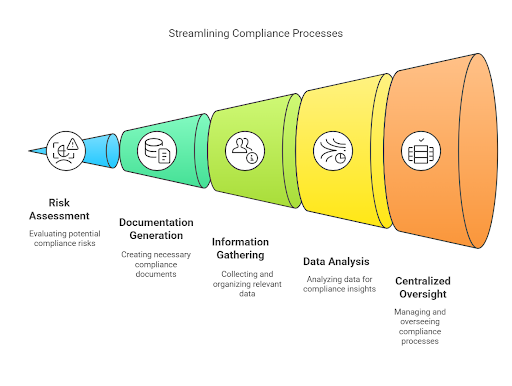
Compliance automation tools utilize technologies like machine learning to automate tedious tasks, ensuring reliable results. These tools can conduct risk assessments, generate documentation, collect and analyze information, and offer a centralized hub for monitoring processes. Streamlining and automating these functions is essential for accuracy and time savings, particularly for Managed Service Providers (MSPs) or Managed Security Service Providers (MSSPs) aiming to scale their operations with new clients.
Why You Should Invest in Compliance Automation
Automated solutions provide a lifeline by offering features like real-time updates and dynamically adjusting to regulatory changes with automated notifications and updates. These tools enable MSPs/MSSPs to offload tedious manual tasks like policy management, evidence collection, and reporting, freeing up valuable time for strategic initiatives.
Demonstrating a commitment to cutting-edge technology and robust compliance practices is paramount in the competitive market. Automation empowers MSPs and MSSPs to enhance client trust by showcasing a proactive and sophisticated approach to compliance. It also streamlines communication by easily generating comprehensive, audit-ready reports, reducing communication overhead and fostering transparency.
How to Get Started With Compliance Automation
Getting started with compliance automation is not a decision MSP/MSSP clients can take lightly. It requires careful planning, strategic evaluation, and a commitment to long-term implementation.
1. Identify Key Compliance Requirements
As all MSPs/MSSPs know, compliance is not a one-size-fits-all endeavor. For example, a fintech startup processing online payments will have vastly different compliance requirements than a hospital managing sensitive patient data.
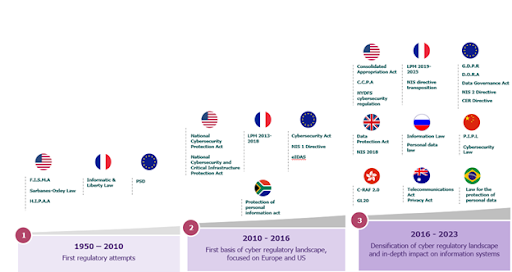
The regulations and standards clients may adhere to include GDPR, HIPAA, PCI DSS, and ISO 27001. To ensure no critical requirements are overlooked, create a comprehensive checklist to assess compliance needs:
- Industry Identification: What sector does the client operate in?
- Geographical Locations: Where does the client do business? Where is their data stored and processed?
- Data Inventory: What types of data does the client collect, store, and process?
- Regulatory Mapping: Based on the above information, which regulations and standards are likely to apply?
- Compliance Gaps: Are there any areas where the client is not currently meeting compliance requirements?
- Remediation Plan: What steps need to be taken to address any identified gaps?
2. Choose the Right Tools
While many general-purpose cybersecurity tools offer features that can assist with compliance, investing in dedicated compliance automation solutions can significantly enhance efficiency and effectiveness. These specialized tools are purpose-built to address the unique challenges of regulatory compliance, offering features like:
- Automated Risk Assessments: Streamline the identification and evaluation of compliance risks with automated questionnaires, vulnerability scans, and data discovery tools.
- Compliance Mapping: Easily map controls to specific regulatory requirements, ensuring comprehensive coverage and reducing the risk of gaps.
- Policy Management: Centralize and automate the creation, distribution, and enforcement of compliance policies.
3. Implement Employee Training
While automation is a powerful tool for streamlining compliance processes, it’s not a magic bullet. Human error remains a significant factor in cybersecurity vulnerabilities, underscoring the critical need for skilled personnel to manage and oversee automated systems.
Clients need trained personnel to define, oversee, and operate automation. As an MSP/MSSP, you should offer training sessions not only for your employees but also for your clients’ teams. The training could include security awareness, data privacy, and cloud security.
4. Establish Clear Policies and Procedures
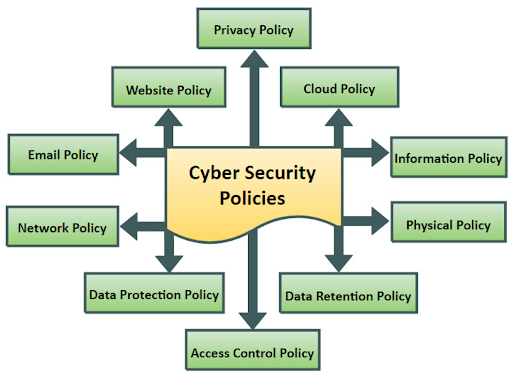
Clear policies and procedures untangle the complexity of compliance automation, acting as a roadmap for consistency. A best practice is to create templates and checklists for each:
- Incident Response Plan: Develop a detailed plan outlining the steps to be taken in the event of a security breach or compliance violation.
- Data Handling Procedures: Establish clear procedures for collecting, storing, processing, and disposing of sensitive data.
- Access Control Policy: User authentication and authorization procedures (e.g., strong passwords, multi-factor authentication).
- Vendor Management Policy: Vendor risk assessments and monitoring to ensure that third-party vendors comply with relevant security and compliance requirements.
5. Conduct Regular Compliance Assessments
Establishing a compliance program is a significant achievement for MSP/MSSP clients, but the hard work doesn’t end there. Compliance is an ongoing journey that requires continuous monitoring, documentation, and reassessment to ensure clients’ security posture remains strong and adapts to evolving threats and regulatory changes.
An automated central hub can provide the base of operations from where you launch your periodic audits. For example, tools like Cynomi’s AI-driven vCISO platform help you manage and monitor your clients’ compliance processes within a single platform.
How New Software Can Accelerate Compliance Automation Strategies
Compliance automation software with built-in reporting features allows MSPs and MSSPs to demonstrate progress. Detailed audit-ready reports highlight clients’ compliance posture, positioning MSPs/MSSPs as trusted partners. Leveraging this with case studies opens doors for upsell opportunities and acquiring new clients.
Audits are a critical aspect of compliance, and audit readiness can be quite challenging without automated tools. Automated compliance tools store all necessary documentation, such as policies, procedures, and audit trails, in a centralized location. When the time comes for an audit, extracting the necessary information proving your compliance efforts will be a simple process.
Types of Compliance Automation Software
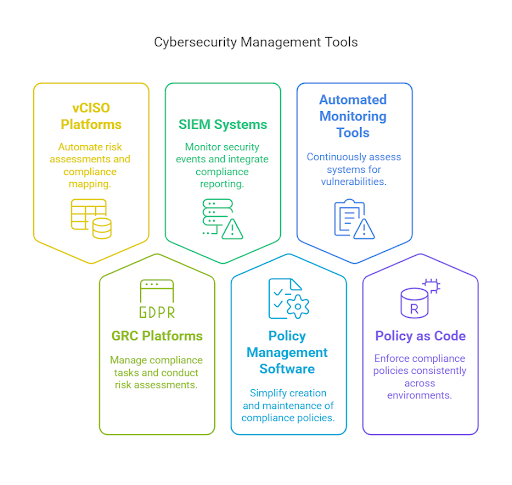
Compliance automation software comes in various forms, from specialized to generalized. Whether you combine two or more tools to meet your needs or choose a more complete solution, you should know the different types of platforms available.
- vCISO Platforms – Tools like Cynomi’s vCISO platform automate risk assessments, compliance mapping, and reporting, providing a centralized hub for managing multiple clients.
- GRC (Governance, Risk, and Compliance) Platforms – GRC platforms help organizations manage compliance tasks, conduct risk assessments, and maintain audit trails.
- SIEM (Security Information and Event Management) Systems – These platforms monitor security events and integrate compliance reporting into threat detection processes.
- Policy Management Software – These tools simplify creating and maintaining compliance policies aligned with industry standards.
- Automated Monitoring Tools – Automated monitoring solutions continuously assess systems for vulnerabilities and generate alerts for potential compliance violations.
- Policy as Code – Provides consistent enforcement of compliance policies across environments and Reduces human error by automating policy validation.
Scale Your Compliance Workflow With Cynomi
As an MSP/MSSP, incorporating compliance automation tools into your workflow is the natural choice. Without automation, your overhead for acquiring new clients will remain the same, and you’ll have to grow your workforce in lockstep with your clients.
But the benefits don’t stop at scaling. Incorporating cyber security automation into your workflow is crucial to maintaining a high standard of operations. The right tools make monitoring, policy, risk assessment, and compliance readiness easier and faster.
Combining expertise from CISOs with proprietary AI algorithms, Cynomi automates risk assessments, customizes compliance questionnaires, and maps controls. This holistic approach of a vCISO platform helps MSPs and MSSPs to scale operations while minimizing overhead.
Book a demo today to see what Cynomi can do for you.
Table of contents