
CCPA For MSPs And
MSSPs — And Their Clients
Deliver scalable, CCPA-aligned privacy and cybersecurity services with Cynomi’s AI-powered vCISO platform. Automate readiness assessments, support privacy-by-design strategies, and help clients comply with California’s stringent data privacy regulations.
What is CCPA and Why
Does It Matter for MSPs and MSSPs?
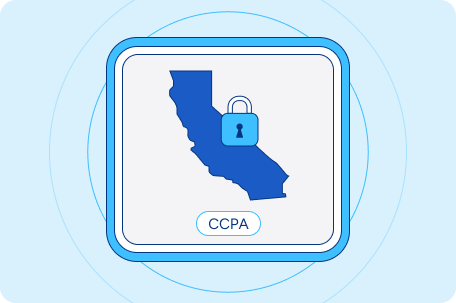
The California Consumer Privacy Act (CCPA) is a comprehensive data privacy law that grants California residents control over how their personal data is collected, used, and shared. Businesses subject to CCPA must implement technical and procedural safeguards, respond to consumer rights requests, and maintain transparent data practices.
For MSPs and MSSPs, CCPA offers a clear opportunity to deliver structured privacy and security services. Clients often lack the internal resources to map data flows, assess privacy risks, and operationalize compliance. Providers aligned with CCPA can support both readiness and ongoing governance for a wide range of regulated clients.
What Organizations Does
(CCPA) Apply To?
CCPA applies to for-profit businesses that do business in California and meet at least one of the following criteria:
CCPA applies to for-profit businesses that do business in California and meet at least one of the following criteria:
- Gross revenue over $25 million
- Buy, sell, or share personal data of 100,000+ consumers or households
- Derive 50%+ of annual revenue from selling or sharing personal data
Also applies to service providers and contractors that process personal data on behalf of covered businesses, including:
- SaaS and Digital Platforms
- E-Commerce Companies
- Financial and Marketing Services
CCPA Core Components
The regulation includes several requirements to ensure transparency, control, and protection of consumer data:

Consumer Rights Management
Enable access, deletion, correction, and opt-out rights for California residents.

Data Mapping and Inventory
Maintain an accurate inventory of personal information and processing purposes.

Notice and Transparency
Provide clear disclosures at or before the point of data collection.

Security Measures
Implement reasonable security procedures to protect personal information.

Contractual Obligations for Service Providers
Ensure proper data protection clauses in agreements with processors and vendors.

Data Governance and Accountability
Maintain internal processes and training to support compliance efforts.
Why MSPs and MSSPs
Should Align With CCPA
CCPA creates an ongoing service need across industries, especially for clients without in-house privacy expertise.
Deliver repeatable assessments and privacy risk mitigation plans
Support ongoing compliance operations, including DSR response workflows
Build trust with clients by aligning services with U.S. privacy expectations
Expand privacy services into adjacent frameworks like GDPR and CPRA
How MSPs and MSSPs Can Comply with
CCPA and Help Clients Do the Same
Cynomi guides you step by step through managing cybersecurity and compliance.
Assess & Identify
Run Privacy Risk and Compliance Readiness Assessments
- Conduct automated CCPA/CPRA-aligned gap assessments
- Identify privacy risks, processing weaknesses, and missing consumer rights workflows
- Generate documentation for privacy program development
Establish and Plan
Build and Operationalize Privacy Programs
- Auto-generate required disclosures, data inventory frameworks, and policy documents
- Track implementation tasks related to data security and consumer rights
- Assign internal and external responsibilities per CCPA/CPRA mandates
Assess & Identify
Maintain Privacy Compliance and Demonstrate Governance
- Monitor privacy program maturity over time
- Maintain documentation libraries and audit trails for enforcement or third-party review
- Prepare clients for expansion into multi-jurisdiction privacy compliance (GDPR, U.S. states)
Framework FAQs
The California Consumer Privacy Act is a U.S. privacy law that gives California residents rights over their personal information and requires businesses to meet specific data handling standards.
CPRA is an amendment to CCPA that expands consumer rights, adds enforcement mechanisms, and requires new practices like data minimization and risk assessments.
Yes. If they handle or process data on behalf of a covered business, they are considered service providers and must meet contractual and security obligations under CCPA.
Fines of up to $2,500 per violation—or $7,500 for intentional violations—can be enforced by the California Attorney General or CPPA. Class action lawsuits are also possible in the case of breaches.
Cynomi automates privacy assessments, policy generation, remediation tracking, and documentation—making it easy for MSPs to manage CCPA programs across multiple clients.