

Software platforms that streamline and automate compliance processes, such as evidence collection, control mapping, and audit preparation, across multiple frameworks.
They reduce manual work, eliminate human error, and help organizations and service providers maintain continuous compliance with minimal effort.
Continuous compliance monitoring, multi-framework mapping, built-in policy libraries, automated reporting, and multi-tenant management for MSPs and MSSPs.
Top solutions include Cynomi, Vanta, Drata, Secureframe, Hyperproof, Tugboat Logic, Optro (formerly AuditBoard), LogicGate, Scrut, JupiterOne, Sprinto, and Scytale AI.
Cynomi is the only compliance automation platform purpose-built exclusively for MSPs and MSSPs. It combines AI-powered automation with real CISO expertise to standardize, scale, and continuously improve compliance delivery.
As regulatory frameworks multiply and audits become more demanding, manual compliance management is no longer sustainable. Compliance automation software has become essential for organizations and service providers striving to maintain continuous compliance without draining resources. By automating evidence collection, control mapping, and policy management, compliance automation tools reduce errors, accelerate audits, and ensure consistent security standards across frameworks. In this article, we explore the top compliance automation software for 2025, its key benefits, and how to choose the best fit for your needs.
What Are Compliance Automation Tools?
Compliance automation tools are software platforms that centralize and streamline how organizations manage regulatory and cybersecurity requirements. Instead of relying on spreadsheets or manual tracking, these systems create a structured environment where policies, controls, and evidence are managed automatically.
A modern compliance automation platform integrates with an organization’s existing tech stack, such as cloud services, HR systems, and identity providers, to continuously collect evidence, map controls to relevant frameworks, and maintain audit-ready records.
Through predefined workflows and intelligent mapping, automated compliance software ensures each step of the compliance process is organized, traceable, and aligned with applicable standards. It provides a consistent operational backbone for ongoing compliance management across teams, frameworks, and clients.
Types of Compliance Automation Software
Before choosing the right solution, it helps to understand the different categories of tools that support automated compliance workflows. These include:
- Cyber Risk Management Platforms. Help identify, assess, and track cybersecurity risks while aligning actions with regulatory requirements through centralized workflows.
- Governance, Risk, and Compliance Platforms. Centralize compliance management, enabling real-time tracking of policies, risks, and controls.
- Risk Assessment Platforms. Automate vulnerability detection and assessment, helping prioritize remediation efforts based on impact and urgency.
- Data Management Platforms. Organize and secure data to support privacy regulations and maintain records needed for audits.
- vCISO Platforms. Offer outsourced security management, often covering compliance tasks like assessments, audits, and defining IT policies.
The Benefits of Using Compliance Automation Tools
Adopting compliance automation tools delivers measurable gains in efficiency, accuracy, and scalability for organizations and service providers alike. By eliminating repetitive manual work and maintaining continuous oversight, these solutions help teams stay compliant and audit-ready with far less effort.
Reduced Manual Compliance Overhead
Automation replaces repetitive evidence collection, document tracking, and control verification with built-in workflows. This significantly reduces the time and resources required for day-to-day compliance operations.
Real-Time Regulatory Tracking
As frameworks like ISO 27001, SOC 2, and HIPAA evolve, compliance automation platforms automatically track updates and map new requirements, ensuring that security programs remain current without manual intervention.
Consistent and Audit-Ready Documentation
Instead of recreating reports or scrambling for evidence during audits, automated workflows maintain up-to-date, verifiable records that are ready for internal or external review at any time.
Scalable Compliance Workflows
For MSPs and MSSPs, scalability is key. Automation enables teams to manage multiple frameworks and clients simultaneously, without increasing headcount or compromising quality.
Faster Framework Onboarding
Built-in templates and predefined control mappings shorten onboarding time for new standards or clients, accelerating time to compliance and reducing ramp-up effort.
Key Features of Compliance Automation Platforms
Compliance automation services provide the structure and visibility needed to manage multiple frameworks, audits, and client environments from a single, centralized system. Beyond reducing manual work, automated compliance platforms embed intelligent automation that keeps compliance programs current and audit-ready at all times.
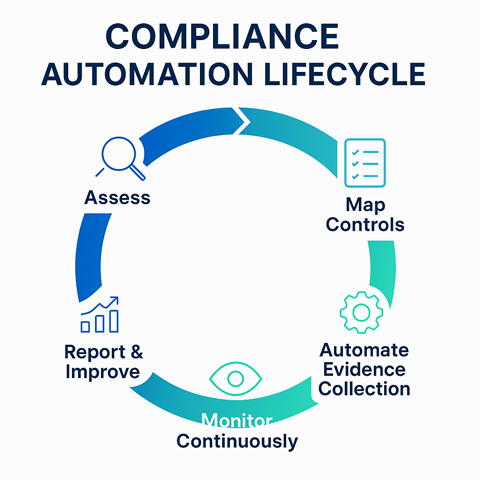
Continuous Compliance Monitoring
Ongoing visibility into compliance status is critical for avoiding gaps between audits. Automated monitoring continuously checks control effectiveness, detects deviations, and triggers alerts when requirements fall out of compliance.
Multi-Framework Mapping
Advanced platforms automatically align controls across frameworks such as ISO 27001, SOC 2, HIPAA, PCI DSS, and more. This eliminates duplication, ensures consistency, and helps service providers manage overlapping requirements more efficiently.
Policy and Control Libraries and Templates
Pre-built policy templates and control sets reduce the time spent drafting documentation from scratch. These libraries can often be customized per framework or client, supporting both standardization and flexibility.
Evidence Collection and Management
Integrations with cloud platforms, ticketing systems, and identity tools automate the collection of proof for compliance activities. This creates an ongoing, verifiable audit trail without relying on manual uploads.
Audit-Ready Reporting
Automated report generation saves hours of preparation time before audits. Dashboards and downloadable summaries provide real-time snapshots of compliance status for internal stakeholders, auditors, and clients.
Role-Based Access and Multi-Tenancy
For MSPs and MSSPs, multi-tenant management allows centralized visibility across all client environments while maintaining data separation. Role-based permissions ensure each team member or client only accesses relevant information.
Advanced Capabilities (Nice to Have)
Leading compliance automation tools extend beyond foundational features by adding intelligent, predictive, and collaborative layers that elevate compliance from a maintenance task to a strategic advantage:
- AI-Driven Control Mapping
Uses machine learning to suggest relevant controls and policies based on prior configurations or detected gaps. - Automated Remediation Guidance
Recommends corrective actions and links them directly to tasks or playbooks. - Workflow Automation
Dynamically assigns ownership, sets deadlines, and tracks task progress to ensure accountability. - Cross-Framework Intelligence
Synchronizes updates across frameworks so that a change in one automatically reflects in others. - Continuous Readiness Validation
Continuously tests and scores compliance posture, ensuring organizations remain audit-ready at all times.
Best Compliance Automation Software Solutions for 2026
Below are 12 of the leading compliance automation platforms to consider in 2025. Each one helps organizations streamline evidence collection, simplify framework mapping, and maintain continuous audit readiness, though their focus areas and ideal use cases differ.
1. Cynomi
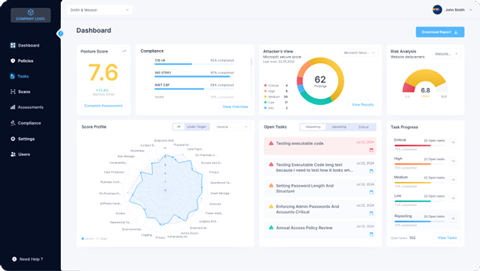
Main Features:
- AI-powered compliance automation for MSPs and MSSPs
- Automated assessments and remediation plans
- Built-in policy generation
- Multi-framework mapping
- Client-ready reporting dashboards
Best For: Managed service providers and consultancies seeking to deliver scalable compliance and cybersecurity management services.
Pricing: Contact sales for a custom quote.
The Verdict:
⭐⭐⭐⭐⭐ Purpose-built for service providers, Cynomi combines automation with expert CISO intelligence to standardize and scale compliance delivery.
Click to read Cynomi reviews.
2. Vanta
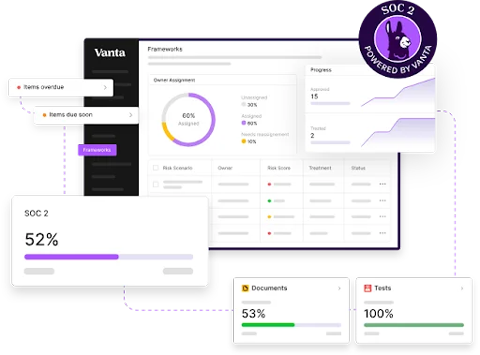
Main Features:
- Continuous monitoring
- Automated evidence collection
- 300+ integrations with SaaS and identity systems
- Pre-built policy templates and alerts for control drift
Best For: Startups and fast-growing SaaS companies pursuing SOC 2 or ISO 27001 compliance.
Pricing: Contact sales for a custom quote.
The Verdict:
⭐⭐⭐⭐ A user-friendly, integration-rich platform ideal for early-stage teams building their first automated compliance program.
Click to read Vanta reviews.
3. Drata
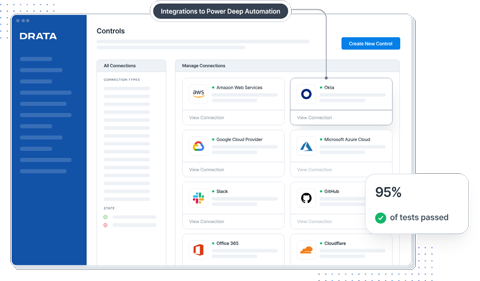
Main Features:
- Real-time control monitoring
- Automated evidence collection
- Extensive integrations
- Audit-ready dashboards for SOC 2, ISO, HIPAA, and PCI DSS
Best For: Cloud-first and SaaS organizations requiring continuous compliance assurance.
Pricing: Contact sales for a custom quote.
The Verdict:
⭐⭐⭐⭐ A trusted automation platform known for deep integrations and strong real-time visibility.
Click to read Drata reviews.
4. Secureframe
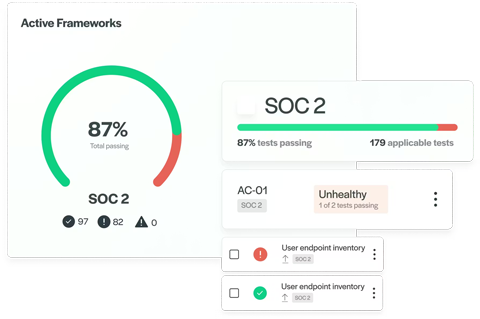
Main Features:
- Automated compliance workflows
- Policy generation
- Vendor risk management
- Access-control tracking for SOC 2, ISO, HIPAA, and GDPR
Best For: Technology organizations managing multiple compliance frameworks simultaneously.
Pricing: Contact sales for a custom quote.
The Verdict:
⭐⭐⭐⭐ Combines ease of use with comprehensive automation suited for scaling tech environments.
Click to read Secureframe reviews.
5. Hyperproof
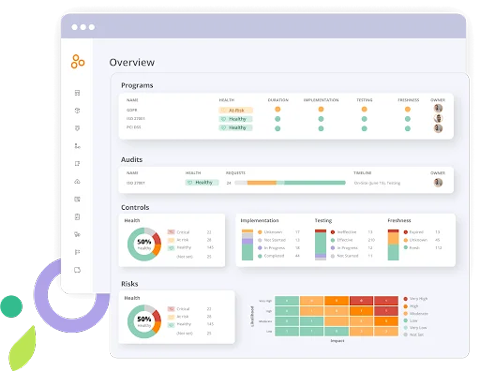
Main Features:
- Advanced compliance orchestration
- Workflow automation
- Evidence repository
- Framework mapping
- Risk-based prioritization tools
Best For: Enterprises and mature security teams managing complex multi-framework programs.
Pricing: Contact sales for a custom quote.
The Verdict:
⭐⭐⭐⭐ Excellent for teams seeking orchestration and collaboration across multiple audit and risk functions.
Click to read Hyperproof reviews.
6. Tugboat Logic (by OneTrust)
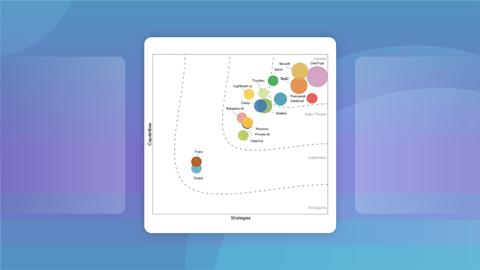
NOTE: Tugboat Logic has rebranded to OneTrust Certification Automation as part of the OneTrust GRC & Security Cloud.
Main Features:
- Automated audits
- Control testing
- Policy templates
- Readiness assessments integrated within the OneTrust GRC ecosystem
Best For: Mid-to-large organizations needing structured, audit-ready compliance automation.
Pricing: Contact sales for a custom quote.
The Verdict:
⭐⭐⭐⭐ Delivers strong audit readiness tools backed by OneTrust’s mature GRC infrastructure.
Click to read OneTrust reviews.
7. Optro (formerly AuditBoard)
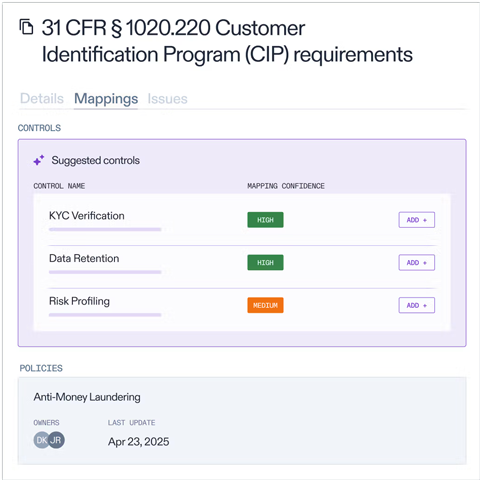
Main Features:
- Centralized audit and compliance management
- Automated control testing
- Evidence tracking
- Risk reporting dashboards
Best For: Enterprises with internal audit and compliance teams managing SOX, ISO, and custom frameworks.
Pricing: Contact sales for a custom quote.
The Verdict:
⭐⭐⭐⭐ A top choice for organizations prioritizing audit visibility and cross-department coordination.
Click to read AuditBoard reviews.
8. LogicGate
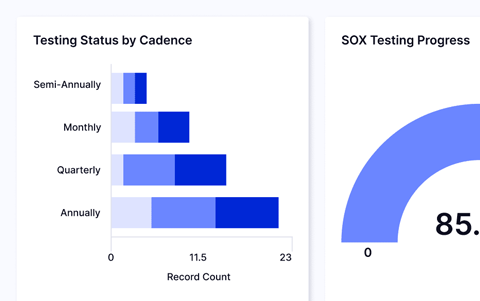
Main Features:
- Workflow-driven GRC automation
- Customizable compliance modules
- Rule-based logic engines
- Visual process mapping
Best For: Organizations needing flexible, build-your-own compliance and risk workflows.
Pricing: Contact sales for a custom quote.
The Verdict:
⭐⭐⭐⭐ Highly configurable for teams that require deep customization and process design flexibility.
Click to read LogicGate reviews.
9. Scrut Automation

Main Features:
- SOC 2, ISO 27001, HIPAA automation
- Continuous control monitoring
- Policy management
- Evidence automation with integrations
Best For: Mid-sized companies and service providers seeking affordable automation and quick audit readiness.
Pricing: Contact sales for a custom quote.
The Verdict:
⭐⭐⭐ An emerging, cost-effective alternative for organizations building structured compliance maturity.
Click to read Scrut reviews.
10. JupiterOne

Main Features:
- Asset-centric compliance mapping
- Continuous posture visibility
- Evidence tracking tied to asset relationships
- Automation for frameworks like SOC 2 and ISO
Best For: Security-driven teams seeking a compliance view rooted in asset inventory and relationships.
Pricing: Contact sales for a custom quote.
The Verdict:
⭐⭐⭐ A strong asset-oriented compliance platform best suited to security-first organizations.
Click to read JupiterOne reviews.
11. Sprinto
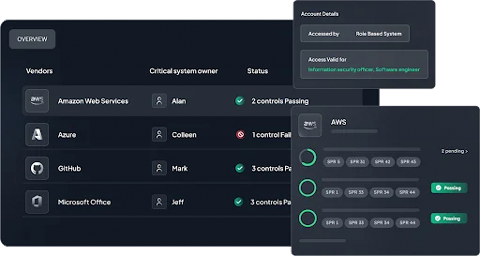
Main Features:
- Automated control mapping
- Real-time compliance monitoring
- Risk register
- Customizable policy libraries covering SOC 2, ISO, HIPAA, GDPR, and PCI DSS
Best For: Growing businesses adopting multiple frameworks and needing fast deployment.
Pricing: Contact sales for a custom quote.
The Verdict:
⭐⭐⭐⭐ Streamlined and modern, offering a balance of automation depth and adaptability.
Click to read Sprinto reviews.
12. Scytale AI
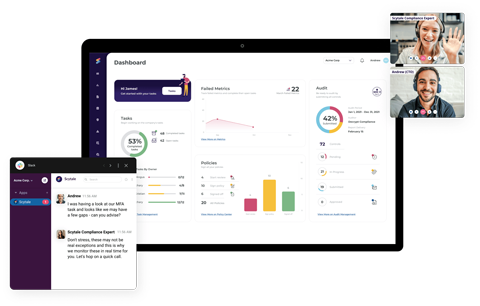
Main Features:
- Automated evidence collection and control monitoring
- Pre-built policy templates
- Cross-framework mapping (SOC 2, ISO 27001, HIPAA, GDPR, PCI DSS, etc.)
- Integrated audit collaboration with expert support
Best For: SaaS and tech companies seeking automated compliance with hands-on GRC guidance.
Pricing: Contact sales for a custom quote.
The Verdict:
⭐⭐⭐ A newer but fast-evolving compliance automation platform with a guided service layer.
Click to read Scytale reviews.
How to Select a Compliance Automation Solution
Choosing the right compliance automation software isn’t only about comparing dashboards or integrations. It’s about finding a platform that aligns with your organization’s maturity, client needs, and long-term compliance strategy. The best solutions fit naturally into your operations, scale as your services grow, and continue to deliver measurable value over time.
Here are the most important factors to evaluate before making your decision:
1. Alignment With Strategic and Operational Goals
Start by defining what success looks like. Are you aiming to reduce audit preparation time, expand managed compliance services, or achieve continuous multi-framework alignment? The right platform should directly support these priorities, adapting to your workflows instead of forcing you to adapt to it.
2. Integration Across Your Cybersecurity and Business Ecosystem
A strong compliance foundation depends on connected systems. Look for compliance automation tools that integrate seamlessly with your cloud environments, identity management, ITSM, and monitoring tools, ensuring data consistency, visibility, and simplified evidence tracking across your entire ecosystem.
3. Framework Adaptability and Control Mapping
Regulatory frameworks evolve constantly. Select a solution that allows flexible mapping across multiple standards and that can quickly adapt to new or updated regulations without requiring manual rework.
4. Insight and Reporting Depth
Beyond basic compliance dashboards, evaluate how well the platform communicates compliance posture to business and client stakeholders. Can it generate executive summaries, demonstrate trends over time, and clearly show ROI from compliance efforts?
5. Scalability and Multi-Client Management
For MSPs and MSSPs, scalability is essential. Multi-tenant architecture, standardized workflows, and client-level customization make it possible to deliver consistent, high-quality compliance management across dozens of customers without expanding resources.
6. Ease of Adoption and Change Management
Even the most advanced system is only valuable if your team actually uses it. Choose a platform with guided workflows, intuitive onboarding, and role-based access that allows both senior experts and junior analysts to contribute effectively from day one.
7. Total Cost of Ownership and Long-Term ROI
Finally, evaluate total value, not just subscription or licensing cost. The strongest compliance automation platforms reduce manual workloads, minimize audit disruption, and open new service opportunities for MSPs and MSSPs. Over time, this translates into measurable operational efficiency and margin growth.
How Cynomi Automates Compliance Across Frameworks
Most compliance automation tools promise efficiency, but few are built to handle the real-world complexity faced by MSPs and MSSPs managing multiple clients, frameworks, and evolving regulations. Cynomi stands apart from other compliance automation software by embedding automation into every stage of the compliance lifecycle, transforming what was once reactive and manual into a structured, proactive, and scalable process.
Turning Compliance Automation Into an Ongoing Practice
Cynomi’s vCISO platform acts as a continuous compliance engine. It automatically assesses posture, identifies gaps, and maps controls across various frameworks. Instead of chasing one-time audits, service providers can maintain real-time compliance readiness, with each update, policy, and assessment automatically reflected in their dashboards.
From Manual Workflows to Structured Consistency
Cynomi doesn’t just automate individual tasks. It standardizes how compliance work gets done. Built-in, step-by-step workflows ensure every client engagement follows a consistent structure, from initial risk assessment to audit preparation. In addition, automated client-ready reports make it simple to communicate progress, trends, and audit readiness to both technical and executive stakeholders. This eliminates guesswork, reduces variance between clients, and shortens onboarding cycles dramatically.
CISO Intelligence Built Into Every Recommendation
Unlike generic compliance automation software, Cynomi is powered by AI infused with seasoned CISO knowledge. Every recommendation, control mapping, or remediation step is grounded in real-world security expertise. This allows even less-experienced team members to deliver enterprise-level compliance outcomes, bridging the talent gap many service providers face.
Scalable Compliance for Growing Service Portfolios
Cynomi’s multi-tenant design makes it easy to manage multiple client environments from one centralized platform. MSPs and MSSPs can scale their compliance services without increasing staff – significantly reducing manual hours and growing margins. In addition, automation doesn’t just streamline operations; it unlocks entirely new revenue opportunities.
Bridging Security and Compliance
Most tools treat compliance and security as separate tracks. Cynomi unifies them. Its security-first foundation ensures compliance readiness stems from genuine security maturity, helping service providers deliver measurable improvements beyond passing audits.
In essence, Cynomi redefines compliance automation for the service provider era. It transforms manual audit prep into continuous readiness, replaces fragmented processes with standardized workflows, and enables MSPs and MSSPs to deliver scalable, high-value compliance programs powered by real CISO intelligence.
Quick Navigation