
The InfoSec Guide to CIS Critical Security Controls

Rotem-Shemesh
Rotem Shemesh Publication date: 29 August, 2024
vCISO Community
The InfoSec Guide to CIS Critical Security Controls

From small startups to multinational corporations, no organization is immune to the all-seeing eye of hackers and cybercriminals.

By 2025, cybercrime is projected to cause global damages of $10.5 trillion, surpassing many countries’ GDP. Businesses face an average of 130 security breaches each year, with each incident potentially costing millions of dollars in recovery, lost business, and reputational damage. 

Many regulations and standards, including the CIS Critical Security Controls, aim to help businesses protect themselves against cyber risks. Although these regulations provide essential guidelines for protection, implementing them can be complex and time-consuming. Hence, many organizations turn to MSPs/MSSPs to help them roll out and adhere to regulations like CIS and others. 

What are CIS critical security controls?

The Center for Internet Security (CIS), a non-profit organization, created the CIS Critical Security Controls to help organizations strengthen their cybersecurity defenses. The most recent version of the Controls is V8, which was established in 2018. 

The Controls offer a practical and effective roadmap to identify and address vulnerabilities, reducing the risk of cyber attacks. Implementing these controls strengthens organizations’ security postures and protects systems and data, fostering trust among stakeholders and clients.

What are CIS Implementation Groups (IGs)?

The CIS Controls are divided into three Implementation Groups (IGs) to help organizations prioritize implementation based on their size, resources, and specific risk profile. Generally, CIS recommends:

  • IG1: Covers essential cyber hygiene practices to protect against common attack vectors. Designed for small and medium-sized businesses with limited cybersecurity knowledge and resources. 
  • IG2: Expands on IG1 with more recommendations applicable to larger organizations with complex operational environments and higher risk profiles. It’s also a step up from IG1 in terms of the resources and time investment required to implement.
  • IG3: Includes safeguards and recommendations to protect against sophisticated attacks. IG3 is most relevant for organizations with mature cybersecurity programs, sensitive data, and strict regulatory requirements to follow. 

The CIS Controls’ structure

Source

Why are the CIS critical security controls important?

1. Simplified Compliance

Many industry and government regulations align with the CIS Controls, a win-win for organizations’ compliance efforts. MSPs and MSSPs can support clients in implementing the security Controls, which streamlines clients’ compliance efforts and demonstrates their commitment to security standards.

2. Proactive Risk Management

The CIS Controls emphasize preventive risk management rather than reactive, helping your clients stay ahead of emerging threats and minimize potential damage. MSPs/MSSPs can leverage this proactive approach to differentiate themselves from competitors as trusted security advisors.

3. Cost Savings

The CIS Controls can help your clients avoid costly downtime, legal fees, and reputational damage by preventing security incidents and data breaches. Highlighting these potential cost savings can attract budget-conscious clients and demonstrate the return on investment of security services.
Controls-V8-Grid-With-Safeguards-1

Source

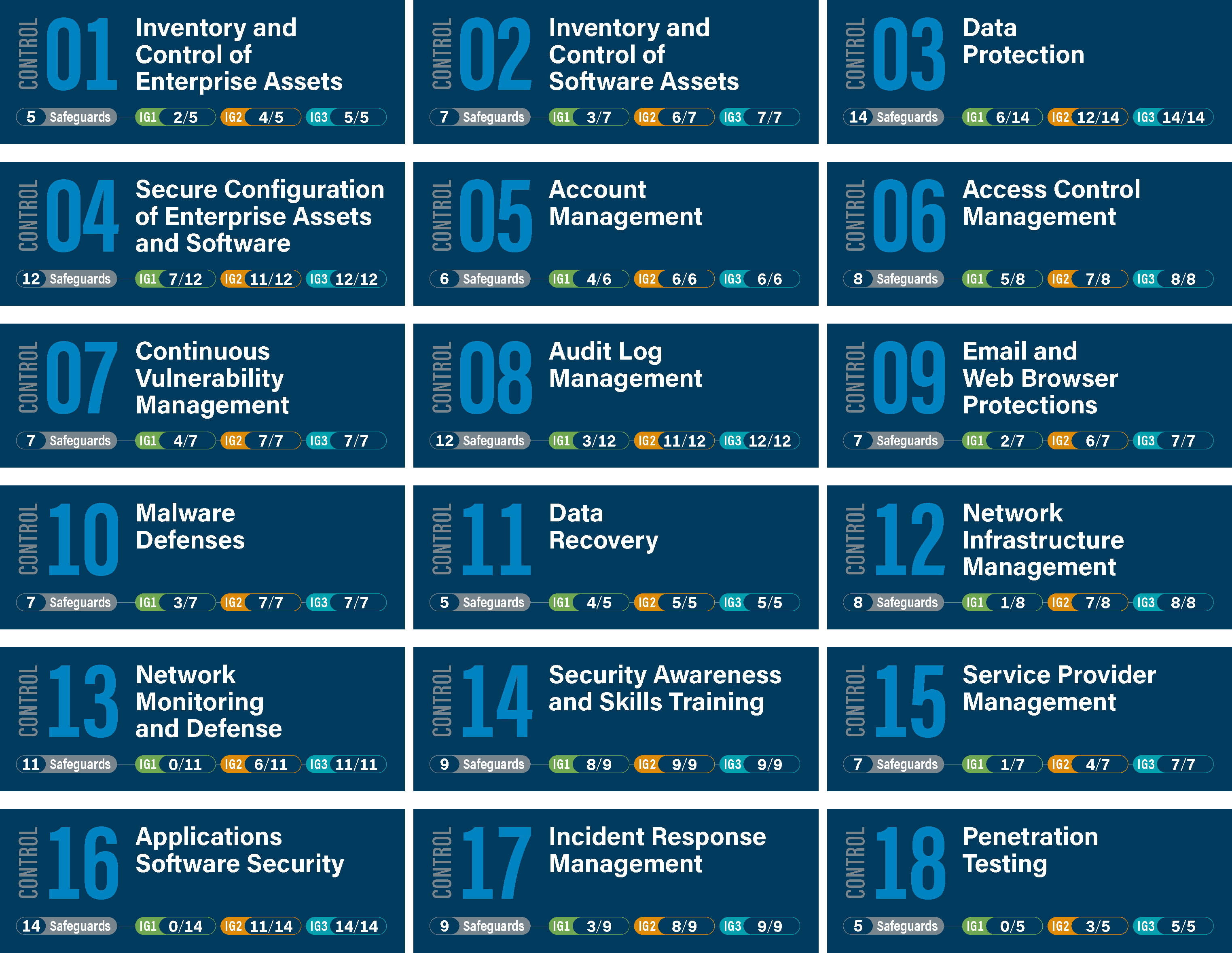
The 18 CIS Critical Security Controls Listed

1. Inventory and Control of Enterprise Assets

Knowing what’s on your client’s network is the first step in protecting it. You can actively manage all hardware and software assets on your client’s network, ensuring that only authorized devices and software are given access. Automated asset discovery tools can help maintain an up-to-date inventory, and regular software installation audits are also necessary to remove unauthorized applications.

2. Inventory and Control of Software Assets

Next up, you need to actively manage all software on the client’s network so that only authorized software can be installed and executed. Application whitelisting can prevent unauthorized software from running. Of course, keeping software patched and up-to-date mitigates vulnerabilities that attackers could exploit.

3. Data Protection

You can advise clients to encrypt sensitive data at rest and in transit, which adds a layer of security that makes it difficult for attackers to access the data even if they gain access to the system. Implementing strong access controls is also a go-to to prevent unauthorized access.

4. Secure Configuration of Enterprise Assets and Software

Your clients must establish and maintain secure configurations for all authorized devices and software, including developing and enforcing configuration standards for operating systems, applications, and network devices. As an MSP/MSSP, you can regularly audit configurations to ensure compliance with these standards and help identify any misconfigurations attackers could exploit.

5. Account Management

You can guide your clients in assigning and managing the authorization and authentication of all accounts, such as strong password policies. Implementing multi-factor authentication (MFA) adds an extra layer of security by requiring users to provide multiple forms of identification before accessing sensitive systems or data.

6. Access Control Management

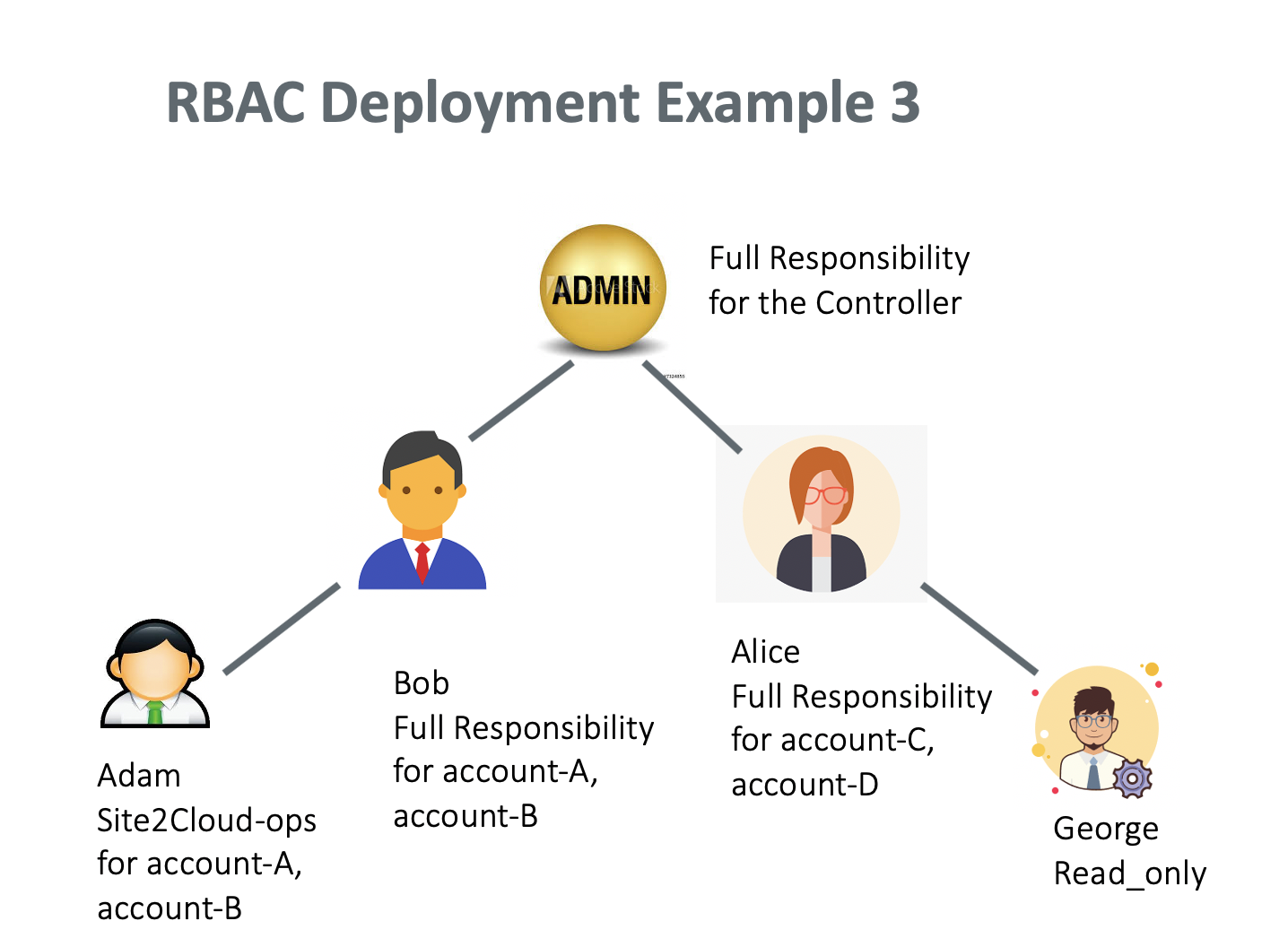
Clients should control access to critical assets based on the least privilege and need-to-know principles. Role-based access control (RBAC) can restrict access based on job function. Plus, MSPs/MSSPs can regularly review and update clients’ access permissions to ensure access remains appropriate as roles and responsibilities change.
rbac-example

Source

7. Continuous Vulnerability Management

As an MSP/MSSP, it’s your responsibility to assess and remediate vulnerabilities in your clients’ systems and applications. Tools for vulnerability scanning can help you pinpoint vulnerabilities, and it’s crucial to prioritize remediation according to the risk level.

8. Audit Log Management

Collecting, managing, and analyzing event audit logs helps clients detect, understand, or recover from attacks. Therefore, MSPs/MSSPs can advise clients that centralizing log collection and storage is recommended. Log analysis tools can help identify suspicious activity indicating an ongoing or attempted attack.

9. Email and Web Browser Protections

MSPs/MSSPs must guide clients in improving threat detection of email and web vectors using strategies like email filtering and web application firewalls (WAFs). Web filtering can block access to malicious websites, preventing users from inadvertently downloading malware or exposing sensitive information.

10. Malware Defenses

Controlling malicious code installation, spread, and execution is paramount. Using antivirus and anti-malware software, keeping software patched and up-to-date, and educating users about safe computing practices can help achieve malware defense. 

11. Data Recovery

MSPs/MSSPs can establish and maintain data recovery practices sufficient to restore clients’ assets to a pre-incident state. Maintaining regular backups of critical data is crucial to guarantee recovery in case of a system failure, data corruption, or cyber attack, and you should always test the backups to check their ability to restore successfully. 

12. Network Infrastructure Management

Ensure that only authorized devices can access the client’s network by actively managing (tracking, reporting, and correcting) all devices. Network mapping tools can identify all network devices, including unauthorized or rogue ones. Segmenting the network helps isolate critical assets, limiting the potential damage from a security breach.

13. Network Monitoring and Defense

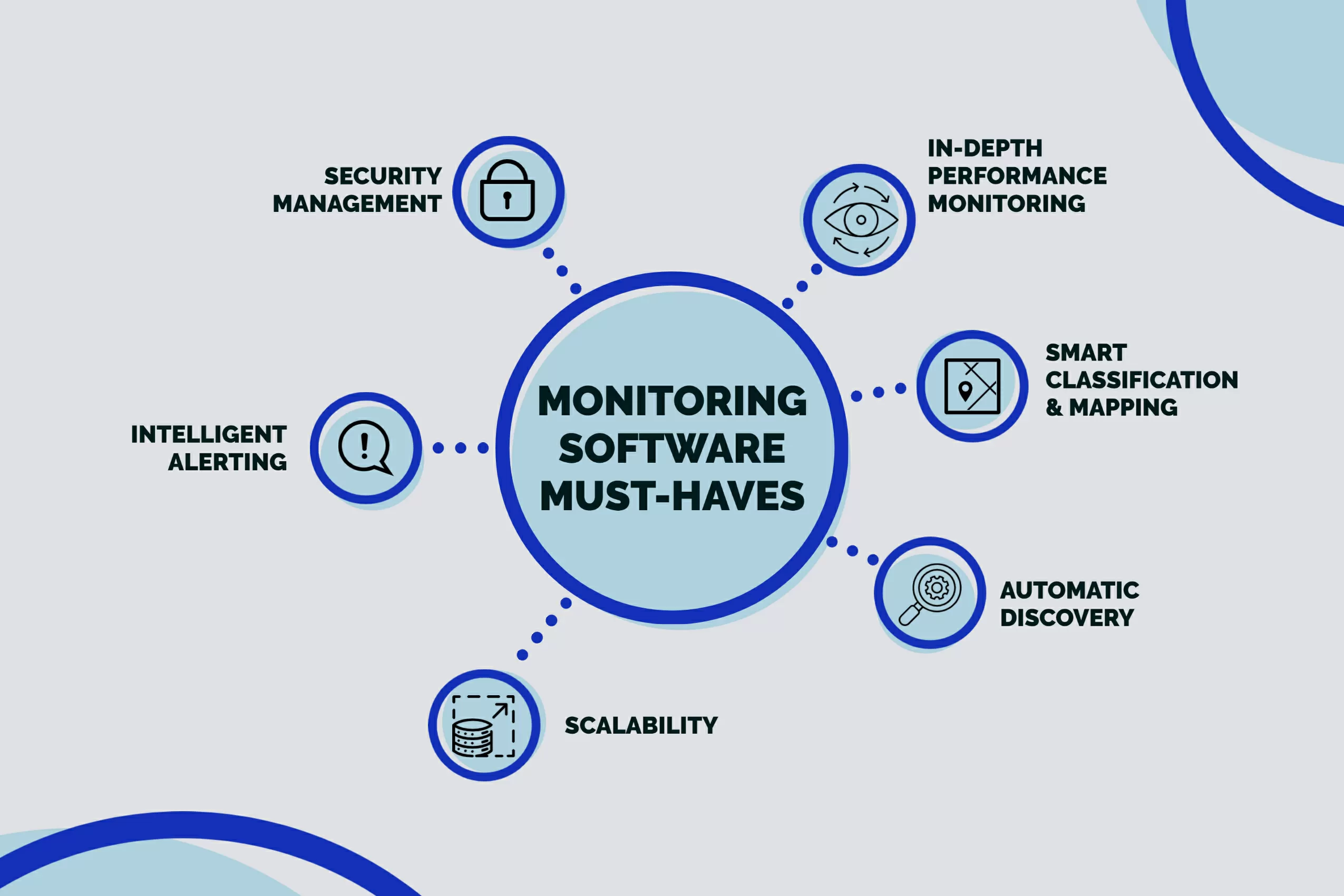
MSPs/MSSPs can help clients implement the Controls by maintaining comprehensive network monitoring and defense against security threats. For example, intrusion detection and prevention systems (IDPS) monitor network traffic for suspicious activity like fraud risks, alerting security teams to potential threats.
monitoring-must-haves

Source

14. Security Awareness and Skills Training

Your clients must establish and maintain a security awareness program to influence employees’ behavior and equip them with the necessary skills to reduce cybersecurity risks. MSPs/MSSPs can recommend phishing simulations that assess employees’ awareness and preparedness, pinpointing areas requiring further training.

15. Service Provider Management

MSPs/MSSPs can help clients develop a process to assess, manage, and monitor risks associated with using cloud providers. Monitoring cloud provider security practices is necessary to ensure they meet your client’s security requirements.

16. Application Software Security

Clients might rely on MSPs/MSSPs to manage the security life cycle of all in-house-developed and acquired software. If so, you can guide them in using practices during software development to minimize the introduction of vulnerabilities. Before releasing the software into production, it is crucial to conduct software security testing to identify and fix any vulnerabilities.

17. Incident Response Management

MSPs/MSSPs can support clients in establishing and maintaining an incident response capability that enables a timely and effective response to detected security events. For example, you can provide an incident response plan outlining the necessary actions during a security incident and conduct regular incident response drills to ensure your client’s team is prepared to respond effectively.

18. Penetration Testing

Test the effectiveness of your client’s security controls by simulating attacks against their information systems. Strategies include conducting regular penetration tests to uncover vulnerabilities that other security measures might miss and using the results to enhance security controls and fortify the organization’s overall security posture.

Implement the CIS Controls and More With Cynomi

The threat of cyber attacks is a constant concern for businesses of all sizes. The CIS Critical Security Controls provide a comprehensive framework for organizations to strengthen their defenses and protect their valuable assets. 

Cynomi’s AI-powered vCISO platform continuously analyzes your clients’ cyber profiles against the latest threat intelligence and industry frameworks, such as the CIS Controls, NIST Cybersecurity Framework, and ISO 27001. With Cynomi, MSPs/MSSPs gain the insights and tools needed to stay ahead of the curve. With automated assessments, automatic mapping of controls, customized policies, and actionable recommendations, Cynomi empowers you to deliver comprehensive cybersecurity solutions that drive business growth and instill confidence in your clients.

Book a Demo today to explore how Cynomi can help you deliver compliance assessments in line with standards like CIS and more. 

Top 10 Risk Assessment Software Solutions for 2024

Rotem-Shemesh
Rotem Shemesh Publication date: 26 August, 2024
vCISO Community
Top 10 Risk Assessment Software Solutions for 2024

Predicting cyber attacks is like trying to fish for the first time. You can follow all the best practices recommended by expert fishermen, buy an expensive line, choose the right time of year… and you may still come home empty-handed. 

Risk management is complicated, to say the least. For this reason, 93% of organizations expect to increase cybersecurity spending over the next year, many of whom turn to MSPs/MSSPs to handle their risk. To tackle this, most MSPs/MSSPs will likely use a risk assessment software solution to help streamline and automate the task of monitoring risk, reducing the potential for human error and improving accuracy.

What are risk assessment software solutions?

Risk assessment software encompasses platforms and tools designed to help MSPs and MSSPs provide clients with more efficient and in-depth risk assessment services. The software often follows a typical risk assessment template including components such as:

  • Purpose of the assessment
  • Scope of the assessment 
  • Asset and resource inventory 
  • Threat landscape evaluation 
  • Likelihood of impact 
  • Risk score calculation 
  • Prioritization of mitigation efforts 

Traditional and manual risk assessments are time-consuming and are prone to errors. They can put pressure on your existing resources and team. In order to scale your service offerings, you can use risk assessment software to automate many processes, including asset categorization, task prioritization, and reporting. 

Types of Risk Assessment Software Solutions

There are many types of risk assessment software solutions for service providers, and they can be grouped into a few core categories.

  • Governance, risk, and compliance (GRC) platforms: GRC solutions establish risk assessments and other processes, like policy enforcement, so MSPs/MSSPs can help clients manage risk across the board. 
  • vCISO platforms: A virtual Chief Information Security Officer (vCISO) platform provides risk assessments as part of built-in strategic leadership and ongoing cybersecurity monitoring features. 
  • Risk management software: Risk management software helps MSPs/MSSPs track risk and mitigation measures in one platform. It usually includes risk assessment capabilities plus controls and audits. 

The Value Risk Assessment Software Provides

  • Managing the security posture: Risk assessment software helps you accurately and efficiently identify gaps in your clients’ security postures and ensure risk management measures align with current and future threat detection.
  • Increase upsells: MSPs/MSSPs use risk assessment recommendations and data to substantiate service upsells to clients. 
  • Automation: Traditional risk assessment processes can be time-consuming and require significant resources. Using risk assessment software to automate the process, MSPs/MSSPs can efficiently scale and deliver assessments without needing additional resources. 

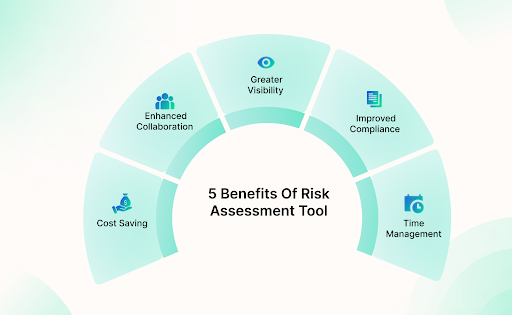
5 benefits of risk assessment tool

Source

Key Features to Look For in a Risk Assessment Software Solution

    • Covers security and compliance: Most risk assessment software solutions only cover compliance requirements, so ensure you choose one that also includes security features like policy generation. 
    • Task management optimization: The most encompassing solutions will offer visibility overall risk assessment tasks and their impact on the overall security posture, giving you more visibility and enhancing productivity.
    • User-friendly dashboard: An easy-to-use dashboard helps your team clearly present digestible information, such as reports and risk assessment results, to clients, demonstrate the value, and improve communication. 
    • Personalized results: Ideally, the tool will perform the risk assessment in a personalized and dynamic risk assessment way, which is better suited for an ever-evolving risk landscape and attack surface. This innovative feature enables you to continuously and actively identify your clients’ individual security gaps. 

10 Top Risk Assessment Software Solutions 

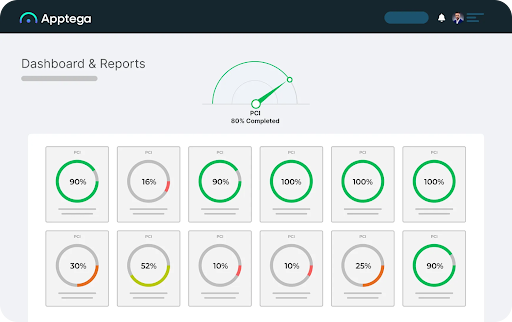
1. Apptega

apptega

Source

Apptega’s governance, risk, and compliance (GRC) platform automates risk assessment, risk management, and policy creation processes. It also allows you to cross-reference requirements across different frameworks. 

Main features:

  • AI-powered recommendations for risk management. 
  • Comprehensive community support is available. 
  • Centralized dashboard. 

Best for: MSPs/MSSPs new to offering compliance services and require a simple yet effective solution. 

Price:  Three pricing tiers: Starter, Advanced, and Premium.

2. Cynomi

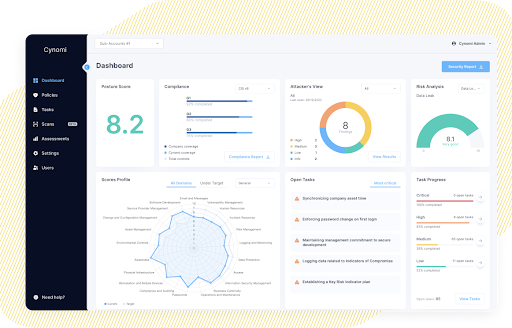
cynomi platform

Cynomi is an AI-powered vCISO platform designed to help MSPs/MSSPs provide and demonstrate the value of compliance and security services. Cynomi’s comprehensive risk assessments help differentiate service providers from competitors without developing in-house risk assessment expertise or scaling their existing resources. It includes a built-in customer-facing reporting suite, making showing clients the risk assessment results and progress easy. 

Main features:

  • Automatically generates a tailor-made set of security policies based on the risk assessment.
  • Provides built-in intuitive and tailored questionnaires for each client. 
  • Cynomi’s proprietary AI algorithm creates remediation tasks, analyzes their relevancy and impact, and generates a CISO-like, prioritized task list.

Best for: MSPs/MSSPs looking to scale and elevate their risk assessment service offerings with minimal labor and resource investment.  

Price: By inquiry. 

3. RapidFireTools

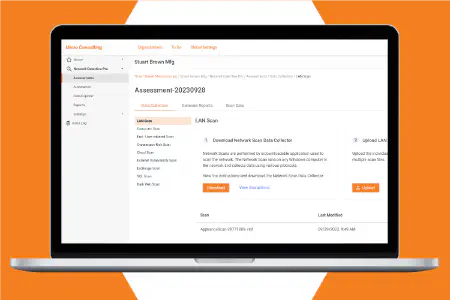
rapidfiretools

Source

GRC solution RapidFireTools automates compliance assessment and management tasks. You can automate and schedule scans for continuous risk assessments and get handy reports at the click of a button.

Main features:

  • Built-in IT security awareness risk assessment training to help users understand risk policy documents. 
  • Provides risk remediation guidance. 
  • Generates automated risk assessment reports, policies, and procedure manuals. 

Best for: MSPs/MSSPs looking to kill two birds with one stone and offer a risk assessment tool with built-in user education features. 

Price: By inquiry. 

4. Secureframe

secureframe

Source

Secureframe is a compliance automation platform that provides step-by-step risk assessment processes. It supports key compliance frameworks, including PCI and SOC 2, required for risk assessments. 

Main features:

  • Secureframe Knowledge Base is a built-in knowledge management feature for building in-house compliance expertise. 
  • The Comply AI feature automates risk score calculations. 
  • AI-powered risk management recommendations. 

Best for: MSPs/MSSPs looking for a balance of risk assessment automation and manual intervention. 

Price: By inquiry. 

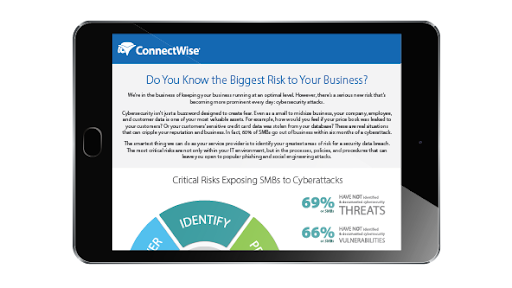
5. ConnectWise Identify

connectwise

Source

ConnectWise Identify offers a variety of risk assessment options, including risk scans, in-depth assessments, and self-serve assessments. The risk assessments are based on the NIST Cybersecurity Framework. 

Main features:

  • Uses heat maps to provide a visual representation of vulnerabilities.
  • Integrates with other ConnectWise products like PSA. 
  • Provides a holistic view of all risk assessments across your entire client base. 

Best for: MSPs/MSSPs who already use ConnectWise products and services. 

Price: By inquiry.  

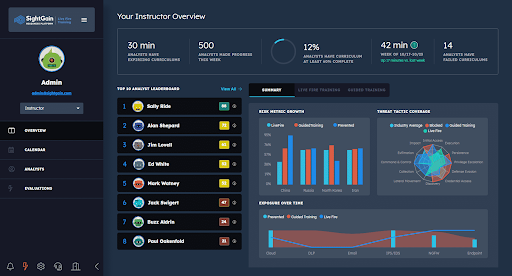
6. SightGain

sightgain

Source

SightGain is a threat exposure management platform that offers automated cybersecurity and risk assessments. It continues to run autonomous assessments in real time. 

Main features:

  • Includes cyber risk quantification features to suggest the best security investments per client. 
  • Automated and continuous compliance monitoring according to frameworks like ISO 27001.
  • Uses real time SOC data for risk assessments and analysis.  

Best for: MSPs/MSSPs looking to continuously monitor clients’ risk posture. 

Price: By inquiry.  

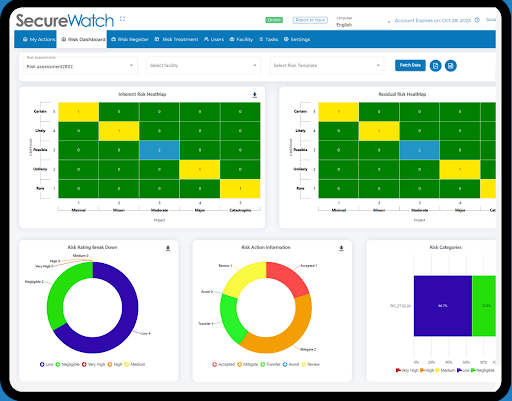
7. RiskWatch Risk Assessment

riskwatch

Source

The RiskWatch software streamlines the assessment process and uses automated analysis to highlight security gaps. It includes key features like risk scoring and dashboard analytics. 

Main features:

  • Suggests workflow optimizations to help your clients pass audits and gain compliance faster. 
  • Add or change custom libraries, plus any regulations like PCI DSS.
  • Tailor risk assessments to single or multiple frameworks. 

Best for: MSPs/MSSPs looking for a flexible solution that allows you to easily add or remove risk assessment frameworks.  

Price: By inquiry. 

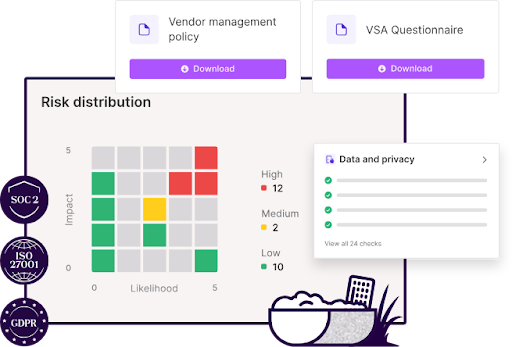
8. Vanta

vanta

Source

Vanta is a compliance platform that automates risk management processes, including risk assessments. It is designed to help MSPs and MSSPs manage risk and tasks related to security and privacy frameworks. 

Main features:

  • Analyzes past risk assessment questionnaires to build a knowledge base of your client’s security posture. 
  • Auto-generates key documents required for risk assessment and compliance processes, e.g., the ‘System Description’ required by SOC 2.
  • Includes a risk scenario library. 

Best for: Vanta is ideal for SaaS businesses or MSP/MSSPs with SaaS clients. 

Price: Three pricing tiers: Core, Collaborate, and Scale. 

9. RiskPal

riskpal

Source

RiskPal automates risk assessment workflow to help you create, manage, and retain risk assessments. It is user-friendly and simple to configure, helping MSPs/MSSPs generate risk assessments quickly. 

Main features:

  • Provides a library of risk assessment templates and advice. 
  • Resilient cloud and application architecture for data security. 
  • Option to design and create your own risk assessment templates. 

Best for: MSPs/MSSPs simply looking for a straightforward tool to generate risk assessments without bells and whistles.

Price: Four pricing tiers: Micro (up to ten users), SME (up to fifty users), Corporate (up to 250 users), and Enterprise (custom).

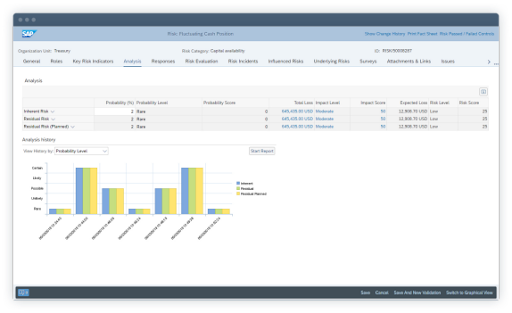
10. SAP Risk Management

SAP

Source

With SAP Risk Management software, you can create risk assessments, monitor clients’ risk levels, and define risk-relevant business activities for your clients. 

Main features:

  • On-premise or cloud deployment.
  • Set up client-specific organizational risk hierarchies. 
  • Includes quantitative risk assessment and qualitative risk analysis features to support risk assessments. 

Best for: MSPs/MSSPs that require more visibility and insight into the context behind risk assessment results. 

Price: By inquiry. 

Overall Recommendation: Cynomi, One Platform For Risk Assessment & Automation 

Risk assessment software is an integral part of any suite of MSP/MSSP services. In a world where your clients cannot totally eliminate risk, you must stay on top of new frameworks, best practices, and innovative tools. 

Yet, creating and performing a risk assessment for each client is time-consuming and requires expertise and resources that your organization may not currently have access to. Cynomi provides everything your organization needs and wants in a risk assessment tool. Most importantly, Cynomi is specific for MSPs/MSSPs, combining all the automation capabilities you need to reach both security and compliance goals with your clients. 

Request a demo today to discover how Cynomi can help MSPs/MSSPs offer high-quality, automated, and effective risk assessment services to your clients. 


Elevating the Global vCISO Ecosystem with a Newly Expanded Directory

David-Primor
David Primor Publication date: 20 August, 2024
vCISO Community
Elevating the global vCISO ecosystem with a newly expanded directory

On behalf of all of us at Cynomi, I am excited to share this announcement with you today. Thanks to overwhelming demand and remarkable growth, we’re thrilled to launch the first international vCISO Directory with enhanced functionality, and many new additions.

Initially featuring vCISOs only in North America, the directory has now expanded globally by 121%. It now includes experts from the UK and Canada, becoming a more comprehensive resource for small and medium businesses worldwide. This expansion highlights the growing trend of MSPs and MSSPs offering vCISO services and marks an important step forward for the cybersecurity industry.

Given the growing demands for cybersecurity and compliance, more MSPs and MSSPs are offering vCISO services. Currently, only 19% of these providers offer vCISO services, but this figure is projected to rise to 86% by the end of 2024, indicating a fivefold increase in adoption.

This growth is driven, in part, by the increasing need for SMBs and mid-market companies to strengthen their cybersecurity postures without the high costs associated with full-time CISOs. More and more SMBs are recognizing the advantage of hiring a vCISO to address their security needs. However, finding the right service provider can be challenging. Our directory simplifies this process by helping SMEs find qualified vCISO service providers and make informed decisions.

At Cynomi, our mission is to empower every organization with CISO-level security. This updated directory is a key component of that mission. By building this hub for the vCISO ecosystem, we make it easier for organizations across the globe to access their trusted cyber service providers, fortifying their defenses and promoting a secure digital environment for all.

If you’re not yet part of the vCISO Directory and want to join this distinguished network of professionals, with more potential clients and gain access to exclusive members-only benefits.

Together, we will transform the cybersecurity landscape on a global scale, elevating the defenses of organizations everywhere and navigating them through the most complex threats of our time.

Top 10 Incident Response Tools and Services

Rotem-Shemesh
Rotem Shemesh Publication date: 15 August, 2024
vCISO Community
Top 10 Incident Response Tools and Services

It’s no longer a question of if an attack will happen but when. Imagine waking up to find your client’s data locked behind a ransomware paywall or seeing their website is down due to a Distributed Denial of Service (DDoS) attack. 

What were once worst-case scenarios are now common disasters, so it’s unsurprising that the annual average cost of cybercrime is predicted to hit more than $23 trillion by 2027. As a result, many MSPs and MSSPs are turning to robust incident response tools to support them in detecting, investigating, and responding to security incidents efficiently.

What are incident response tools?

Cybersecurity incident response tools are programs designed to help you identify, assess, and counteract threats. They reduce the time threats remain hidden and mitigate their impact as early as possible. MSPs and MSSPs use incident response tools as part of their MSP software toolkit to rapidly respond to security incidents across multiple clients, improving trust and ensuring security.

Advantages of Using Incident Response Tools

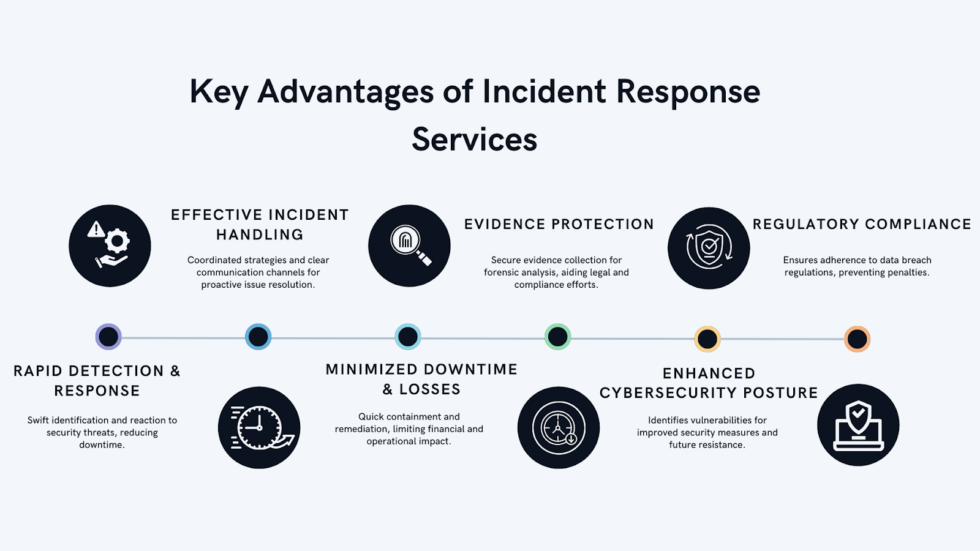
  • Rapid Incident Detection: Incident response tools offer real-time monitoring and alerting capabilities, allowing MSPs/MSSPs to detect threats quickly. This early detection is crucial for preventing potential damage and maintaining the trust of your clients.
  • Incident Prioritization: The tools can sort events and match severity, allowing better handling of critical issues before they escalate into huge problems. Prioritization is essential even in the early stages of risk assessment and incident forecasting. 
  • Streamlined Communication: Incident response tools often include features that facilitate effective communication between the IR team and stakeholders. It ensures everyone is informed about the situation and understands their roles and responsibilities.
  • Automation: Automate incident responses to reduce the number of tasks and responses that IT teams need to complete. Hence, you can handle more incidents with the same effort and your current resources. 

Key Advantages of Incident Response Tools

Source

Key Features to Look For in an Incident Response Tool

  • Real-time monitoring and alerts enable early threat detection, allowing MSPs/MSSPs to respond quickly and minimize potential damage.
  • Incident management and prioritization allocate resources efficiently to highlight the most pressing security concerns.
  • Automated response capabilities take care of initial threat and dynamic risk assessments, notification, and mitigation.
  • Detailed reporting and analytics, plus comprehensive reporting and analytics features, help MSPs/MSSPs understand the nature and impact of security incidents.
  • Integration with other security tools improves operational functionality.

Essential Questions to Ask Before Choosing an Incident Response Tool

  • Does the tool integrate with your existing security infrastructure?
  • What level of automation does the tool provide for incident detection and response?
  • How scalable is the tool to meet your growing needs?
  • What type of reporting and analytics capabilities does the tool offer?
  • What is the total cost of ownership, including licensing, maintenance, and support?

Top 10 Incident Response Tools

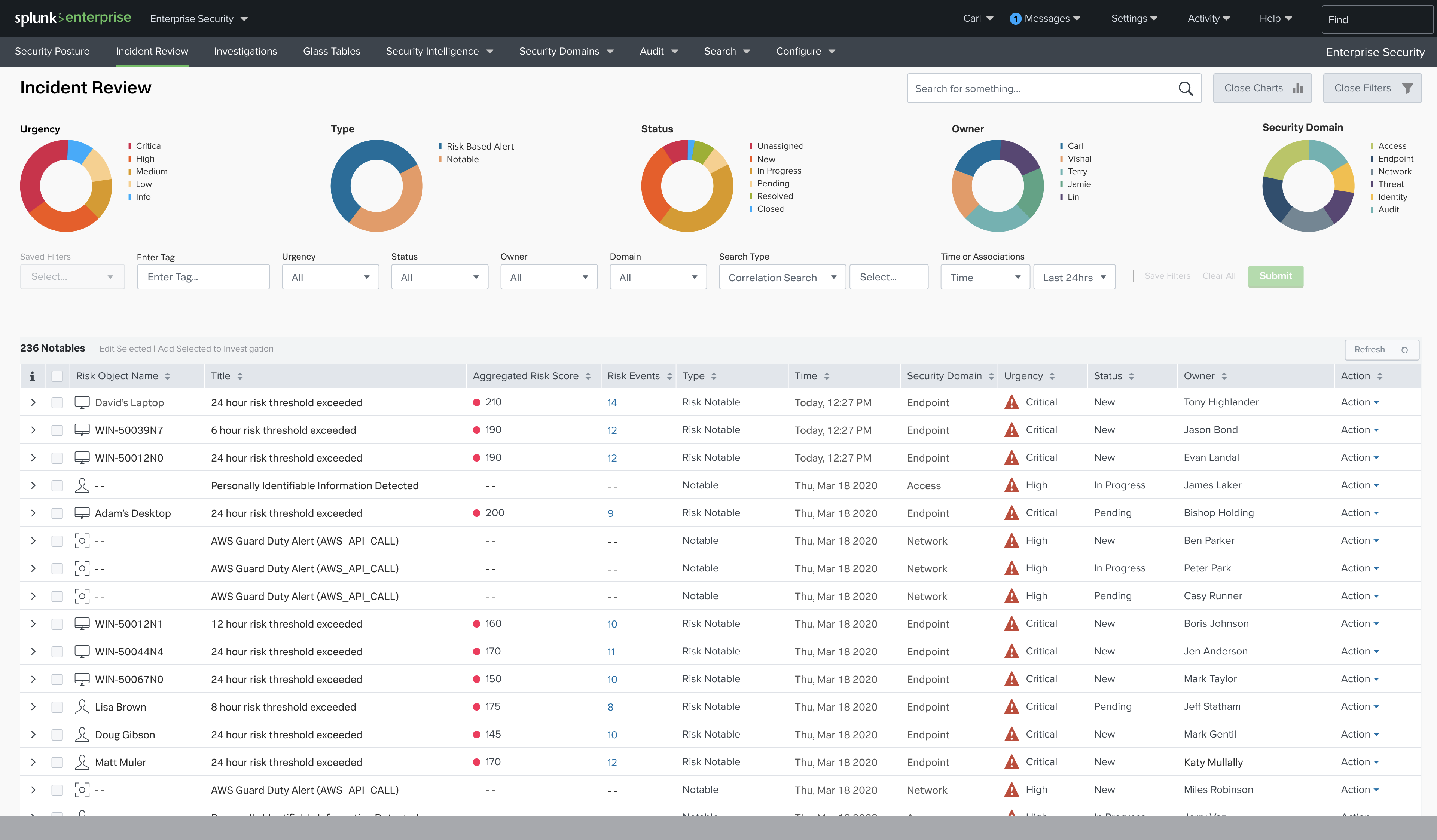
1. Splunk Enterprise Security

Splunk Incident Response Tool

Source

Splunk Enterprise Security is a comprehensive platform designed for security teams to quickly detect, investigate, and respond to advanced threats.

Features

  • Real-time monitoring.
  • Offers structured workflows and tools for investigations.
  • Integrates with external threat intelligence sources to enhance threat detection capabilities.
  • Uses machine learning to identify patterns and anomalies indicative of security threats.
  • Provides customized dashboards and reports to visualize security posture and incident trends.

Best for: MSPs/MSSPs of all sizes looking for real-time monitoring features.

Pricing: Splunk offers flexible pricing models to suit various business needs.

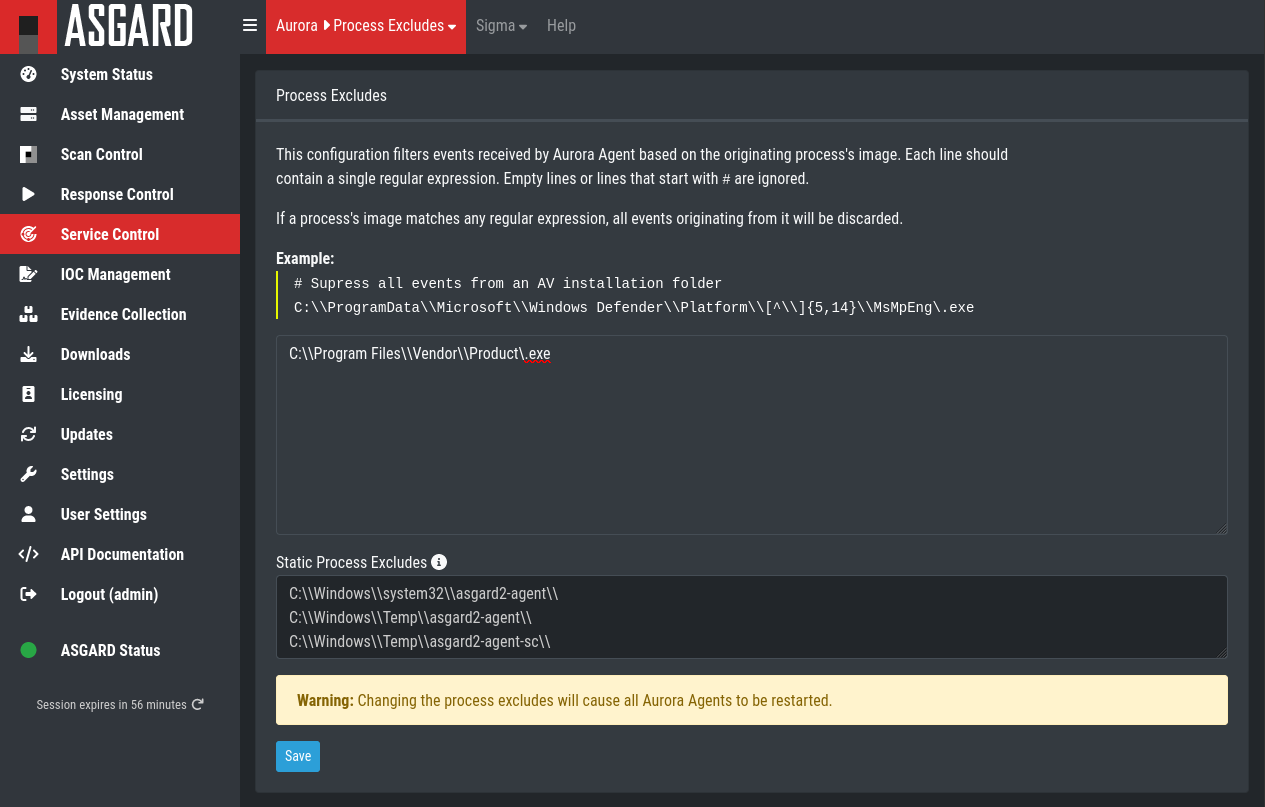
2. ASGARD Management Center

ASGARD Incident Response Tool

Source

ASGARD Management Center is a lightweight endpoint detection and response (EDR) tool designed for threat detection and incident response in small to medium-sized enterprises (SMEs) and individual users.

Features

  • Detects and analyzes malware behavior on endpoints.
  • Monitors for indicators of compromise to identify potential security incidents.
  • Conducts proactive threat hunting to identify hidden threats.
  • Monitors changes in critical system files for suspicious activities.
  • Enables remote forensic investigations of endpoints.

Best for: MSPs/MSSPs and individual users looking for a lightweight EDR solution.

Price: Lite products are free, and you can get other products by inquiry.

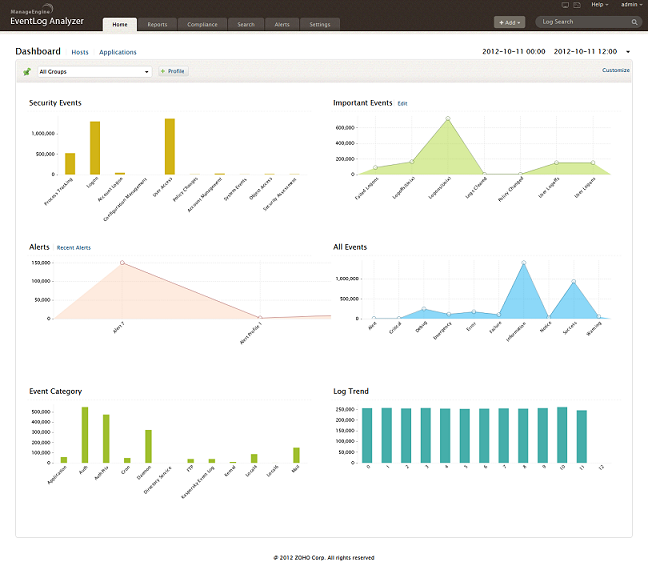
3. ManageEngine EventLog Analyzer

ManageEngine EventLog Analyzer

Source

ManageEngine EventLog Analyzer is an SIEM (Security Information and Event Management) tool for comprehensive incident response management and log analysis.

Features

  • Collects and correlates logs from various sources to identify security incidents.
  • Monitors events in real-time for immediate threat detection.
  • Provides automated incident detection and response capabilities.
  • Generates compliance reports to meet regulatory requirements.
  • Monitors user activity to detect anomalies and insider threats.

Best for: Suitable for MSPs/MSSPs of all sizes looking for an integrated SIEM solution for incident response and log management.

Price: Offers three pricing plans: Free, Premium, and Distributed.

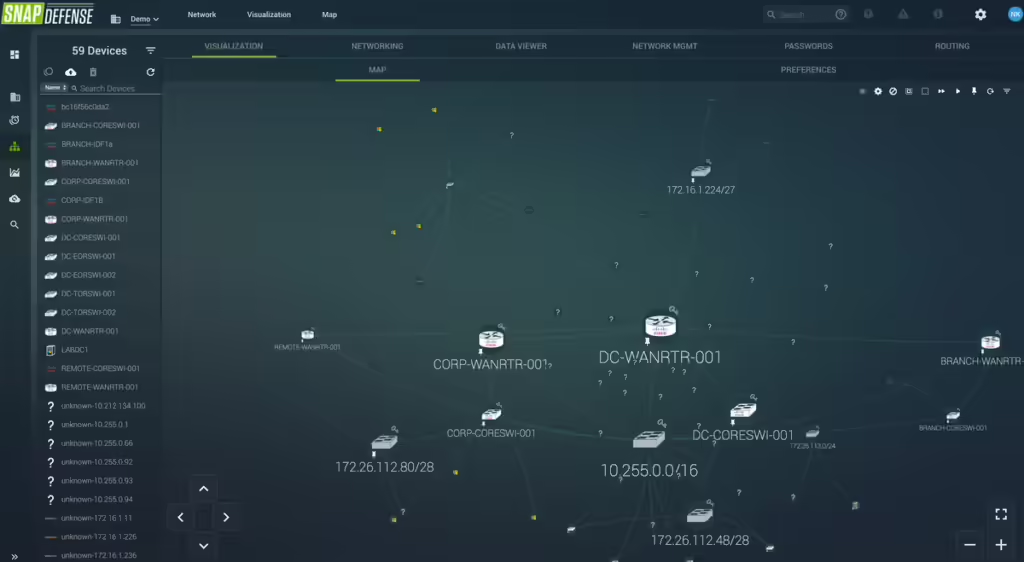
4. BlackPoint Cyber SNAP-Defense

BlackPoint Cyber SNAP-Defense


Source

BlackPoint Cyber SNAP-Defense is a managed detection and response (MDR) solution that provides proactive cybersecurity protection through real-time threat detection and response capabilities.

Features

  • Real-time security monitoring.
  • Rapid response to security incidents with automated actions.
  • Use behavioral analysis to identify anomalous activities and potential threats.
  • Conducts detailed forensic analysis to understand the scope and impact of security incidents.

Best for: MSPs/MSSPs seeking an MDR solution combining automated threat detection and expert-driven incident response capabilities.

Price: By inquiry.

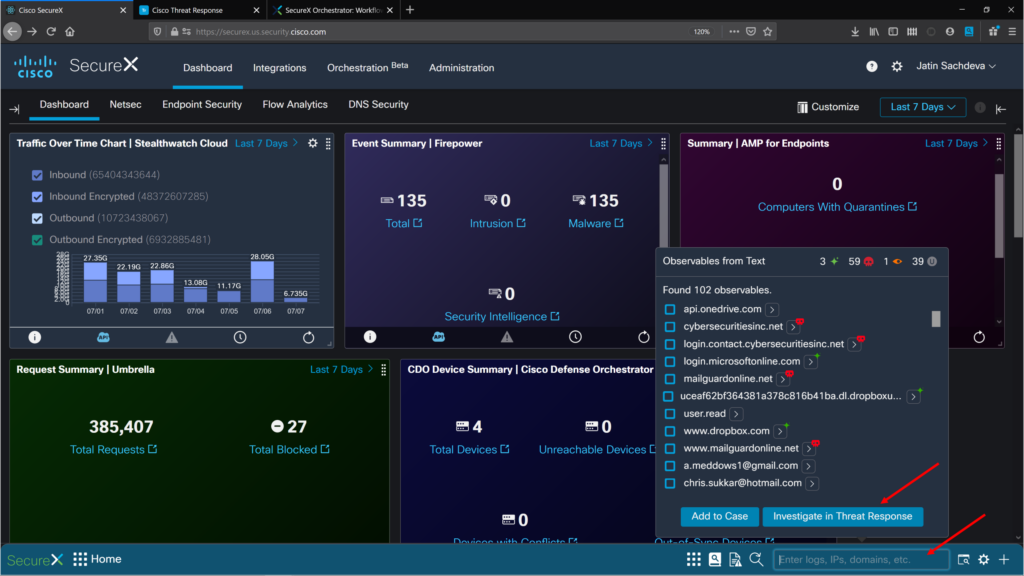
5. Cisco SecureX

Cisco SecureX

Source

Cisco SecureX is an integrated security platform that provides unified visibility, automation, and orchestration across your clients’ security infrastructure.

Features

  • Centralized visibility across network, endpoint, cloud, and applications.
  • Automates response workflows and orchestrates security operations.
  • Integrates with threat intelligence feeds for enhanced threat detection.
  • Enables fast incident investigation and response through automated actions.

Best for: MSPs/MSSPs looking for a centralized dashboard to manage security operations, threat detection, and response capabilities.

Price: By inquiry.

Top 5 Incident Response Services

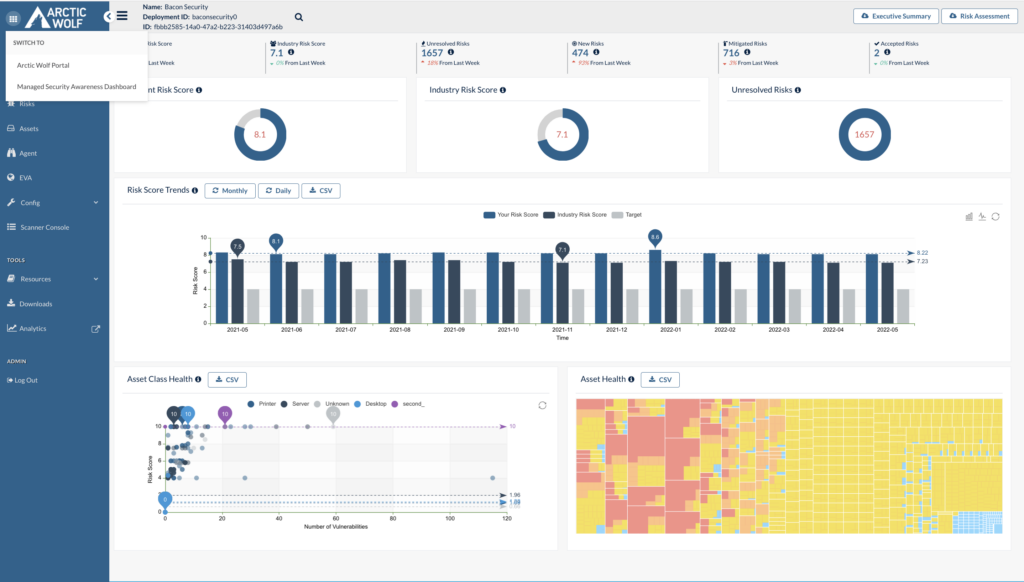
6. ArcticWolf CyberSOC

ArcticWolf CyberSOC

Source

ArcticWolf CyberSOC is a managed detection and response (MDR) service that provides comprehensive cybersecurity protection by combining human expertise with machine intelligence.

Features

  • 24/7 monitoring of network traffic and endpoints for threats.
  • Real-time detection and response to security incidents.
  • Proactive searching and scanning for vulnerabilities and hidden threats.
  • Analyzes user and entity behavior to detect anomalies.

Best for: MSPs/MSSPs seeking a managed cybersecurity service that combines human expertise with AI-driven analytics.

Price: By inquiry.

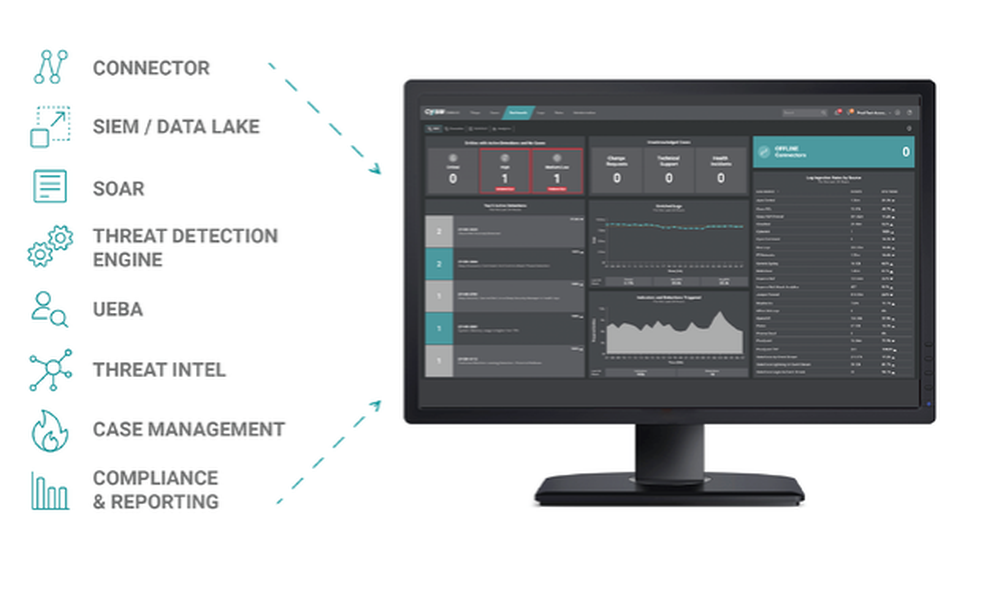
7. Cysiv SOC-as-a-service

Cysiv SOC-as-a-service

Source

Cysiv SOC-as-a-service is a managed security operations center (SOC) solution that provides continuous threat monitoring, detection, and response capabilities.

Features

  • Continuous monitoring of security events and incidents.
  • Real-time detection and response to security threats.
  • Integration with threat intelligence feeds for enhanced detection capabilities.
  • Conducts detailed forensic analysis of security incidents.
  • Generates compliance reports based on security events and incidents.

Best for: MSPs/MSSPs looking for 24/7 threat detection and response without an in-house SOC.

Price: By inquiry. 

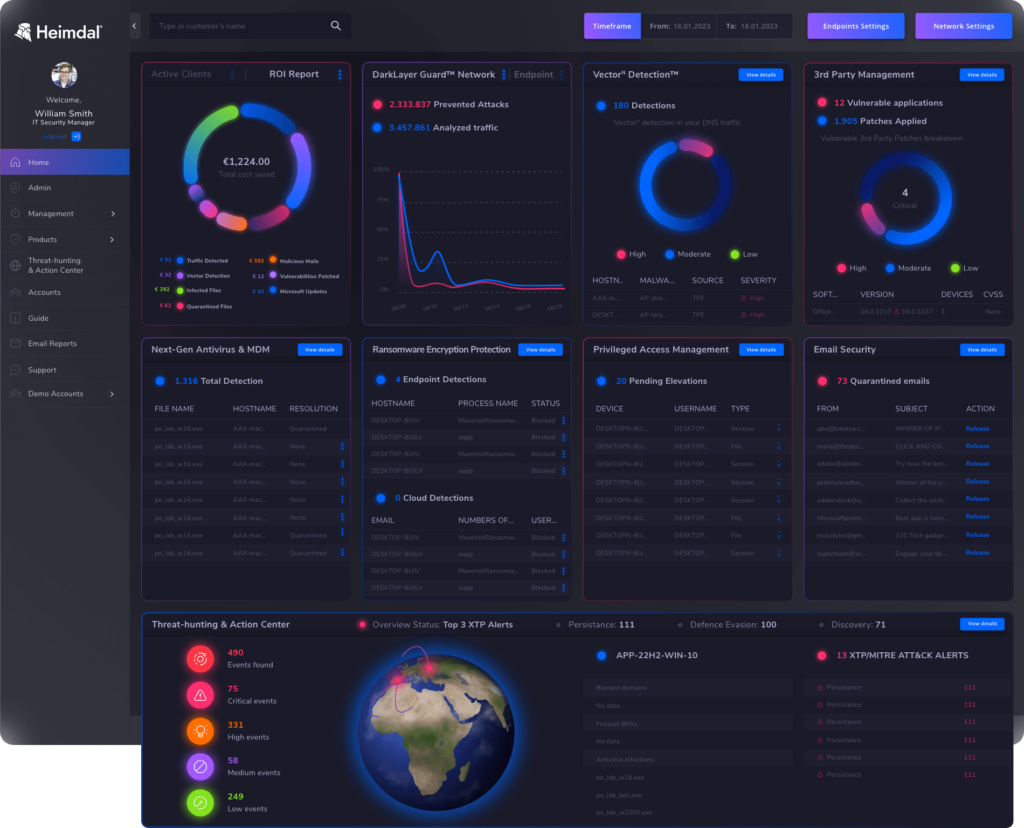
8. Heimdal XDR

Heimdal XDR

Source

Heimdal XDR (Extended Detection and Response) is a managed cybersecurity solution that detects and responds to advanced threats across endpoints and networks.

Features

  • Monitors and responds to threats in real-time.
  • Provides comprehensive EDR capabilities to detect, investigate, and remediate endpoint threats.
  • Analyzes network traffic to identify anomalies and potential security breaches.
  • Uses automated workflows to streamline the incident response process.
  • Uses external threat intelligence to enhance the detection and understanding of new and emerging threats.

Best for: MSPs/MSSPs looking for a managed XDR solution that combines endpoint and network security.

Pricing: By inquiry. 

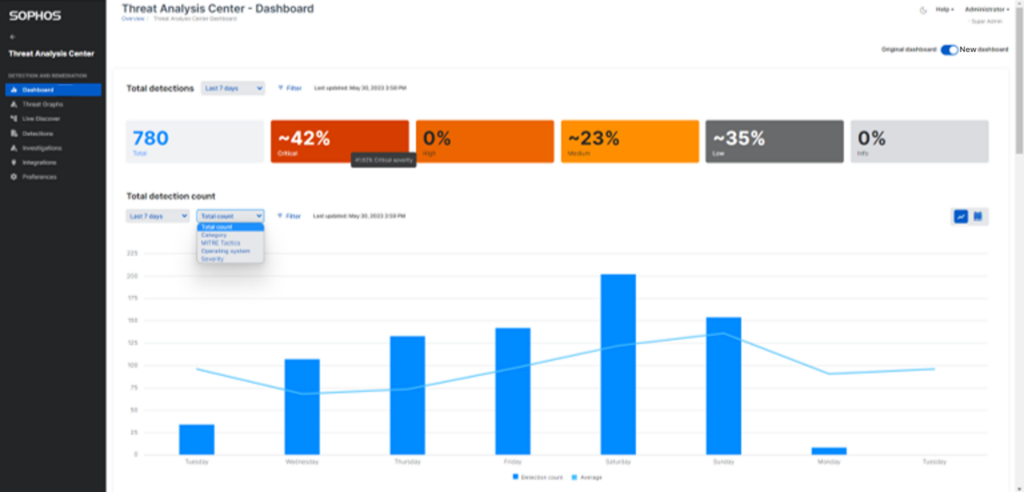
9. Sophos

Sophos

Source

The Sophos incident response service is offered in two forms: a retainer service and a rapid response service. The retainer service provides clients with immediate access to a team of incident response experts, and the rapid response option is designed to monitor threat occurrence. 

Features

  • Immediate identification and neutralization of active threats. 
  • 24/7 access to a team of security experts. 
  • Discounted pricing on fixed-fee incident response services.
  • Compatible managed detection and response (MDR) service providing 24/7 monitoring. 
  • Remediation guidance. 

Best for: Smaller MSPs/MSSPs looking for a hands-off approach with their IR vendor. With Sophos, you can pay a subscription and not worry about IR for a whole year. 

Pricing: The incident response retainer service is an annual subscription, and other pricing is by inquiry. 

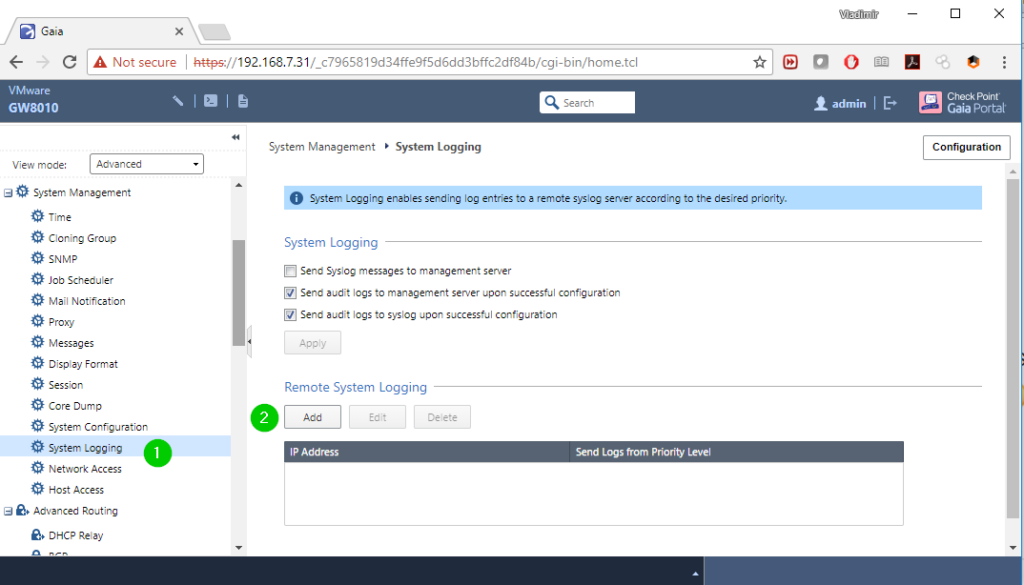
10. Check Point Incident Response

Check Point Incident Response

Source

Check Point Incident Response is a service that helps MSPs/MSSPs respond to cyberattacks. It includes a hotline, forensic analysis, and recommendations to improve security controls.

Features

  • 24/7 hotline enables you to contact the team at any time. 
  • Continuous forensic system analysis. 
  • Extensive documentation and best practices guidance provided. 
  • Remediation recommendations offered using real-time data. 
  • Custom security controls, including custom signatures, traffic and attack analysis, rule-based protection activations, customized protections, and third-party systems and service provider protection.

Best for: MSPs/MSSPs looking for peace of mind through 24/7 incident response hotline availability. 

Pricing: By inquiry. 

Build Your Incident Response Policy

Each tool discussed above offers unique features to help you detect, respond to, and mitigate security incidents effectively. However, managing incident response can be complex and resource-intensive. MSPs/MSSPs often struggle with high operational costs, scalability constraints, and the need for specialized cybersecurity expertise. This is where Cynomi can make a significant difference.

Cynomi is an automated vCISO platform that combines proprietary AI algorithms with CISO-level knowledge. It provides a built-in incident response policy template to support your incident response, compliance, and security efforts. Our platform performs automated readiness assessments for each of your clients, then creates actionable plans and clear policies with a prioritized task list to help MSPs/MSSPs achieve compliance while tracking client progress. 

Offering incident response as part of your comprehensive set of services is a must for growing and scaling your MSP/MSSP business. Cynomi supports policy creation and provides clear reporting to help you communicate progress to clients and stakeholders, prove value, and generate upsell opportunities.

Discover how Cynomi can enhance your incident response strategies by scheduling a Demo today.


The NIS 2 Directive: Impact on MSPs, MSSPs and Their Clients

David-Primor
David Primor Publication date: 8 August, 2024
Compliance Top Security Policies
NIS2

NIS 2 has come into effect, and by October 2024 EU-member states are required to add this Directive to their legislation. For MSPs and MSSPs, NIS 2 is an opportunity to position themselves in front of their clients as a trusted partner and a security and compliance leader and expert. Below, we detail how you can help your clients meet the new requirements and even how to overcome any objections they may have.


Brief Reminder: What is NIS

The Network and Information Systems (NIS) Directive is an EU legislation designed to strengthen network and information system security in the EU. Adopted in July 2016, it was the first EU-wide legislation on cybersecurity.

According to NIS, organizations are required to adopt cybersecurity strategies to enable service continuity. They also need to report incidents that impact this ability. NIS applies to various sectors, including energy, transport, banking, financial market infrastructures, health, drinking water supply and distribution and digital infrastructure.


What is NIS 2? What Does it Add on to NIS?

NIS 2 is an update of the NIS Directive. It came into act in July 2023 and EU member states are required to add it to their legislation by October 2024. NIS 2 aims to expand NIS, adding new cybersecurity requirements and new sectors that are required to comply This is meant to enhance the resilience and incident response of the EU and its public and private entities.

The main additions include:

Broader Sector Coverage

A number of new sectors are required to comply with NIS2. These include digital infrastructure providers, public administration entities, food production and distribution, waste management and more. The expansion is meant to ensure a comprehensive approach across critical services to enhancing cybersecurity.

Mandatory Cybersecurity Measures

There are a number of specific cybersecurity measures NIS 2 requires:

  • Access controls
  • Incident detection and response
  • Regular security audits
  • Supply chain security controls
  • Employee training programs

These measures are designed to ensure that organizations have a robust cybersecurity framework in place to protect against threats.

Enhanced Incident Reporting Requirements

NIS2 mandates stricter incident reporting obligations. Organizations must report significant cybersecurity incidents to national authorities or CSIRTs within 24 hours of detection, followed by a detailed report within 72 hours. Impacted recipients must be notified immediately. This aims to ensure timely and effective incident response and coordination. 

Stronger Risk Management and Governance

With NIS2, organizations are required to implement robust risk management practices. This includes regular risk assessments, the adoption of appropriate technical and organizational measures and ensuring top management is actively involved in cybersecurity governance and oversight.

Focus on Supply Chain Security

With NIS2, organizations are required to assess and manage the cybersecurity risks posed by their suppliers and service providers. This includes ensuring that third-party vendors comply with relevant security requirements and integrating supply chain security into overall risk management strategies.

Penalties for Non-Compliance

Non-compliance with NIS 2 can lead to significant penalties. These can even reach €10,000,000 or 2% of the global annual revenue, whichever is higher.

Harmonization Across the EU

NIS2 sets common standards and requirements. This is intended to reduce disparities in cybersecurity practices and enhance the overall security posture across the EU.

Increased Cooperation and Information Sharing

NIS2 advocates for increased cooperation and information sharing between member states, national authorities and organizations. This includes participating in information sharing groups, reporting incidents, and sharing threat intelligence to improve collective cybersecurity resilience.


How MSPs and MSSPs Can Help Their Clients Meet NIS 2

Your clients are busy, and sometimes do not have the time, bandwidth or resources to ensure they are planning for NIS 2 compliance. This is where you can help. Follow these practices:

1. Conduct Comprehensive Risk Assessments

Perform detailed risk assessments for each of your obligated clients, to identify vulnerabilities and areas that need improvement, based on the NIS 2 framework. Use these assessments to tailor security measures to each client’s specific needs. An automated and AI-based vCISO platform that supports compliance capabilities can assist, streamlining the process, ensuring a comprehensive and structured assessment can create a clear report that can be shared with the client.

2. Recommend the Implementation of Robust Security Measures

Advise your client to deploy essential security controls. These include access control, firewalls, intrusion detection/prevention systems, endpoint protection and encryption. Ensure these measures are continuously updated and monitored. While they are not all listed in NIS 2, they all allow meeting the NIS 2 requirements for basic security hygiene. 

3. Develop and Manage Incident Response Plans

Work with your clients to create customized incident response plans. The plan should outline  procedures for detecting, reporting and responding to cybersecurity incidents; backups and redundancy for business continuity; and authority reporting procedures. Regularly test and update these plans to ensure they remain effective.

4. Provide Continuous Monitoring and Logging

Set up continuous monitoring systems to detect and respond to security threats in real-time. Implement logging solutions to record security events, ensuring logs are regularly reviewed and maintained. This will help with quick response to incidents and with reporting to authorities about incidents, as required by NIS 2. It can also help your clients maintain transparency and trust with their own end-users.

5. Facilitate Compliance Training and Awareness

Offer regular cybersecurity training and awareness programs for your clients. Explain to them what they are required to do under NIS 2 and how it strengthens their security strategy. This will help them prepare and also instill confidence in their ability to meet NIS 2 requirements.

6. Develop Comprehensive Security Policies

Assist customers in developing and maintaining comprehensive security policies and procedures that align with NIS2 requirements. Ensure these policies are regularly reviewed and updated. An automated platform can help develop such policies with AI.

7. Enhance Supply Chain Security

Evaluate the cybersecurity practices of your clients’ third-party vendors and service providers. Help customers integrate supply chain security into their overall risk management strategies. You can use the same platform you used to assess your clients, on their suppliers (with their consent).

8. Prepare for Incident Reporting

Establish clear processes for timely and accurate incident reporting to relevant national authorities or CSIRTs. Ensure customers understand what constitutes a reportable incident. how to report it and when. An automated vCISO platform can help generate immediate reports that shorten the process. 

9. Utilize Automated Compliance Tools

Automated compliance tools can help customers manage and document their compliance efforts. These tools can simplify the process of gathering evidence, tracking progress and generating reports. For example, an AI-based vCISO platform helps assess the client’s compliance posture based on the specific required framework, identify gaps, create a plan, track it and generate reports.

10. Ensure Regular Security Audits and Assessments

Conduct regular security audits and assessments to track progress and ensure ongoing compliance with NIS2 requirements. Use the findings to continuously improve security measures and address any gaps.

11. Support Business Continuity and Disaster Recovery Planning

Assist customers in developing and maintaining business continuity and disaster recovery plans. Regularly test these plans to ensure they are effective and up-to-date.

12. Promote Information Sharing and Collaboration

Encourage customers to participate in information sharing and collaboration initiatives with other organizations, sectoral bodies and national authorities. This can enhance their collective cybersecurity resilience and also encourage them to implement more security practices, which is an upselling opportunity for you.


How MSPs Can Convince Their Clients to Follow NIS2 Compliance

While complying with NIS 2 is non-negotiable, not all your clients might be enthusiastic about planning and executing its requirements. Here are a few strategies the can help you show them the value of doing so:

  • Highlight Regulatory Requirements – Clearly explain the legal obligations and requirements of the NIS2 directive. Emphasize that compliance is mandatory for their sector and non-compliance can result in significant penalties and legal repercussions.
  • Demonstrate Business Benefits – Show how NIS2 compliance can enhance their cybersecurity posture, reduce the risk of cyber incidents, provide a competitive advantage and protect their reputation. Explain that a strong cybersecurity framework can lead to increased customer trust and potential business opportunities.
  • Emphasize Risk Mitigation – Provide examples of cyber incidents that impacted similar businesses. Highlight how compliance with NIS2 could have mitigated these risks and protected the business from financial and operational disruptions.
  • Offer Success Stories – Share testimonials and success stories from other clients who have benefited from NIS2 compliance, demonstrating its positive impact.
  • Offer a Compliance Roadmap – Present a clear, step-by-step roadmap for achieving compliance. Break down the process into manageable phases, showing that compliance is achievable without overwhelming their resources. A vCISO platform can help build such a plan.
  • Show Cost-Effectiveness – Illustrate how investing in compliance now can save money in the long run by avoiding fines, reducing the cost of incident response and minimizing downtime from cyber incidents.
  • Leverage Your Expertise and Tools – Demonstrate your expertise and experience in cybersecurity and compliance. Highlight the tools and services you offer that will simplify the compliance process, such as automated compliance management, continuous monitoring and incident response. This is also an upselling opportunity for you.
  • Provide Customized Solutions – Tailor your services to the specific needs and risks of the end-customer. Show how your customized approach addresses their unique challenges and aligns with their business objectives.
  • Promote Continuous Improvement – Emphasize that cybersecurity and compliance are ongoing processes. Offer to support them with regular updates, training, and assessments to continuously improve their security posture.
  • Build Trust and Relationships – Establish a strong relationship based on trust. Show that you are a partner in their success, not just a service provider. Regularly communicate and provide updates on progress and emerging threats.
  • Create Awareness Programs – Conduct workshops, webinars and training sessions to educate your end-customers on the importance of NIS2 compliance. Awareness programs can help them understand the directive and its implications better.


For Cynomi Users

Cynomi is an AI-based and automated vCISO platform for MSPs and MSSPs looking to grow revenue and streamlining security and compliance processes. Cynomi’s compliance coverage includes NIS 2. With Cynomi, MSPs and MSSPs can:

  • Conduct simplified and automated compliance assessments to determine client’s readiness for NIS 2
  • Create an automated remediation plan to address NIS 2 gaps
  • Report on progress with comprehensive and shareable reports that can also be used with management and auditors
  • Show value over time, positioning themselves as a business partner and compliance expert

Using Cynomi, you can assist your clients become NIS 2 compliant and grow your revenue, without straining your own resources or having to invest significant time and effort in becoming a NIS 2 expert.  Start today.

Information Security for Small and Midsized Businesses – An Essential Guide for SMBs and vCISOs Alike

amie headshot
Amie Schwedock Publication date: 2 August, 2024
Education
Information Security

If you practice as a virtual CISO long enough, you begin to discern commonalities among the clients you serve. Among these is the lack of understanding of what we in the information security community would consider basic principles. If not addressed, the potential success of the virtual CISO is in doubt.

Being a virtual CISO is difficult. You’re part Chief Information Security Officer, part consultant, part entrepreneur, and part small and midsized business strategist. I have often said that many CISOs would not make good virtual CISOs, and vice versa. I have zero global CISO experience and wouldn’t do well managing a team of 100 or more across multiple time zones. Conversely, one in that position would find it difficult to shift to the virtual CISO realm.

Why? Because there are major differences between information security practices from small businesses to global enterprises. Sure, they all start from the same place, protecting their information. But it diverges there. I have found over the past seven years as a practicing virtual CISO that “vCISOing” at times is much more art than science. I am an SMB counselor. It is important that at the start of the relationship that I understand the business and their risk tolerance.

However, you’re not going to find many SMBs with a written risk tolerance statement. Yet you can discern such as the trusted advisor, if you’re proficient in business communication. It’s rarely enough, or even proper, to throw a framework at an SMB as the sole information security strategy. Sure, frameworks are important, and we start from determining what is appropriate for an SMB (often NIST CSF; CIS 18 s appropriate as well). But that’s not the end of building and managing the program, it’s the beginning.

Information security, at its core, is risk management. Most SMBs don’t understand the concept or value of a risk register. Unfortunately, I’m not sure the majority of virtual CISOs do as well. Yet, I submit that is the most important tool for the client. Gapping against a framework will give you a binary view of what you do or not do, but a risk register will go further, explaining why and documenting risk-based decisions. It provides depth to the security risk management program, going from two dimensional to three dimensional.

That’s where a virtual CISO can add value way beyond information security. An excellent and competent virtual CISO will serve as a risk management educator to SMBs. They, through thinking like a risk manager, mentor by association the business in risk management beyond information security. A positive side effect is the virtual CISO learns and understands more about the business and its processes and risk tolerances. It’s a great feedback loop. With that, the virtual CISO can better serve in their primary duty of advising the business on managing information security risk.

Most security references do not teach information security pros or SMB executives how to think like an information security risk manager. As a result, SMBs most often view information security as purely cybersecurity—focused on technical issues and ignoring other areas such as governance, risk management, and awareness training beyond compliance.

I don’t know if there is any way to properly learn this beyond experience. The virtual CISO needs to understand what to ignore. Don’t take that literally; obviously all aspects of information security should be addressed. But the effective vCISO will understand risk prioritization. They will be able to tell the SMB that “no” is an appropriate response to considering applying a control and that accepting a risk is proper given the environment.

There needs to be a merger from both sides for this to happen. The virtual CISO needs to have considerable business acumen and communicative skills. On the other side, the SMB executives need to understand basic information security concepts in a language they understand.

This is the primary reason I wrote Information Security for Small and Midsized Businesses. I found myself in my vCISO career encountering SMB executives who did not understand that information security transcends cybersecurity—in other words, information security is much more than implementation and management of technical controls like firewalls and EDR systems. As a result, I began spending more time educating SMBs on what we in the industry would consider relatively simple concepts, in business language, not infosec-speak.

As time passed, I realized any of these sessions were repetitive across clients, and a compilation of such would make for a good primer guide for SMBs. What began as a lead magnet on vCISO Services, LLC’s website became the valuable reference available today. It is my intention that Information Security for Small and Midsized Businesses provides SMBs with a pragmatic understanding of the information security risks they face and potential ways to address them.

The book also holds value for the virtual CISO by functioning as a guide for how to explain such concepts to their clients. Too often jumping to technical or industry jargon may result in “deer in the headlights” reactions from the client. They may say they understand, but do they? The virtual CISO responsibly serves their clients only when they have fully advised them on information security risk. This book, like other tools focused on delivering support for the virtual CISO, including Cynomi, can help with that. Full transparency—vCISO Services, LLC is a Cynomi partner.

Ultimately, my goal is to help improve SMB security; this is just one initiative. Nor is it static. While the third edition was released not long ago in late June 2024, I am already compiling feedback for the fourth edition, planned for release in 2026. Technology, the threat environment, and our field constantly evolve, and therefore so should this book adapt to those changes. On that note, I am always interested in constructive suggestions for the next edition.

We are in this fight together. Whether you’re an SMB executive, a practicing (or aspiring) vCISO, or one interested in SMB security needs, Information Security for Small and Midsized Businesses helps achieving the goal we all want—as secure an environment as possible for SMB information and processes.