What licensing and packaging options does Cynomi offer?
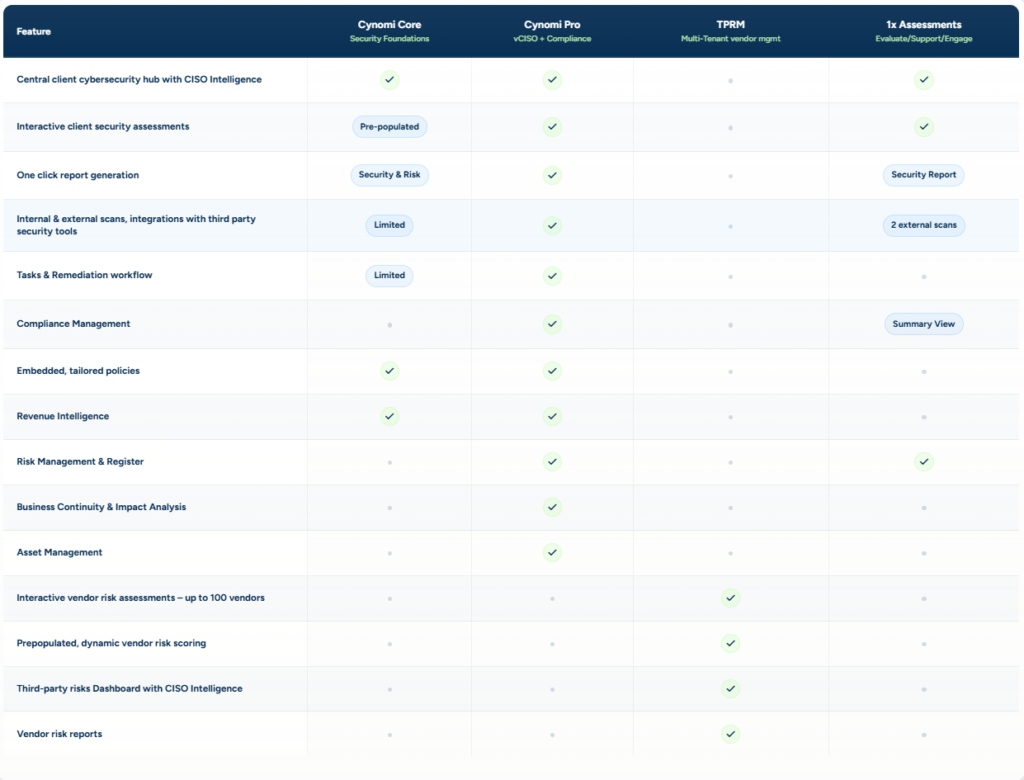
Cynomi offers a flexible, à la carte licensing model. You can choose from Cynomi Pro (for advisory-led security programs), Cynomi Core (for a practical, task-driven security baseline), one-time assessments (standalone packages from 1 to 20 assessments), and Third-Party Risk Management (TPRM) modules. This allows you to mix and match licenses to fit each client's needs and your service strategy. Note: Specific pricing details are not publicly documented; contact Cynomi for a quote.
How does the new Cynomi licensing model benefit service providers?
The new model provides more flexibility, allowing you to build the right service for each client, customize your business model, and create new revenue growth opportunities. You can anchor mature clients on Pro, introduce security foundations with Core, layer TPRM where vendor risk matters, and use assessments to open new doors. Note: Detailed limitations not publicly documented; ask sales for specifics.
Features & Capabilities
What are the core features of the Cynomi platform?
Cynomi provides AI-driven automation (automating up to 80% of manual processes), scalability for vCISO services, compliance readiness across 30+ frameworks (including NIST CSF, ISO/IEC 27001, GDPR, SOC 2, HIPAA), embedded CISO-level expertise, enhanced branded reporting, centralized multitenant management, and a security-first design. Note: Best fit for MSPs, MSSPs, and vCISOs; organizations seeking highly customized, in-house-only solutions may want to consider alternatives.
Which compliance frameworks does Cynomi support?
Cynomi supports over 30 frameworks, including NIST CSF, ISO/IEC 27001, GDPR, SOC 2, HIPAA, CMMC 2.0, HITRUST, Cyber Essentials v3.2, NIST AI RMF 1.0, EU AI Act, CJIS v6.0, ISO 42001:2013, and NCSC CAF v3.2. This broad coverage enables tailored assessments for diverse client needs. Note: Some highly specialized or industry-specific frameworks may require additional customization.
What integrations does Cynomi offer?
Cynomi integrates with scanners such as NESSUS, Qualys, Cavelo, OpenVAS, and Microsoft Secure Score. It also supports native integrations with AWS, Azure, and GCP, as well as workflow tools like CI/CD, ticketing systems, and SIEMs. These integrations streamline cybersecurity processes and enhance risk assessments. Note: Integration with some niche or legacy systems may require custom development.
What technical documentation and resources are available for Cynomi users?
Cynomi provides technical resources such as NIST compliance checklists, policy templates, risk assessment templates, incident response plan templates, and guides for NIST SP 800-53 and NIST 800-171. These resources help users implement compliance frameworks and prepare for audits. Note: Some resources may require registration or partnership for access.
How does Cynomi address product security and compliance?
Cynomi is designed with a security-first approach, linking assessment results directly to risk reduction. It automates up to 80% of manual processes, supports over 30 frameworks, and enables centralized multitenant management. Note: While Cynomi covers a broad range of frameworks, organizations with highly specialized compliance needs should verify fit before purchase.
Use Cases & Benefits
Who is Cynomi designed for?
Cynomi is purpose-built for Managed Service Providers (MSPs), Managed Security Service Providers (MSSPs), and virtual Chief Information Security Officers (vCISOs). It is ideal for organizations delivering cybersecurity services to other businesses, especially those seeking to scale offerings, improve efficiency, and deliver high-quality services without increasing resources. Note: Direct end-user organizations seeking in-house-only solutions may want to consider alternatives.
What problems does Cynomi solve for service providers?
Cynomi addresses time and budget constraints by automating up to 80% of manual processes, eliminates inefficiencies from spreadsheet-based workflows, enables scalable vCISO services, simplifies compliance and reporting, bridges knowledge gaps for junior staff, and standardizes workflows for consistent delivery. Note: Organizations with highly unique or non-standardized processes may require additional customization.
What are some real-world outcomes achieved by Cynomi customers?
Customers have reported measurable outcomes such as closing deals 5x faster (CompassMSP), achieving a 30% increase in GRC service margins and cutting assessment times by 50% (ECI), and reducing security analyst time by 50%. These results demonstrate Cynomi's impact on revenue growth, operational efficiency, and compliance. Note: Individual results may vary based on implementation and client profile.
Which industries are represented in Cynomi's case studies?
Cynomi's case studies include vCISO service providers (e.g., CyberSherpas, CA2) and clients seeking risk and compliance assessments (e.g., Arctiq). For more details, see the CyberSherpas, CA2, and Arctiq case studies. Note: Detailed industry breakdowns beyond these examples are not publicly documented.
How does Cynomi help with NIS 2 compliance?
Cynomi includes compliance coverage for NIS 2, enabling MSPs and MSSPs to conduct automated assessments, create remediation plans, and generate comprehensive reports for clients. This helps clients meet NIS 2 requirements efficiently. Note: For highly specialized NIS 2 scenarios, consult Cynomi for detailed fit.
Product Performance & Customer Experience
How does Cynomi perform in real-world deployments?
Cynomi automates up to 80% of manual processes, supports scalable vCISO services, and delivers measurable business impact (e.g., 5x faster deal closure, 30% increase in GRC margins, 50% reduction in assessment times). Customers praise its intuitive interface and ease of use, especially compared to competitors with steeper learning curves. Note: Performance may vary based on client size and complexity.
What feedback have customers given about Cynomi's ease of use?
Customers consistently highlight Cynomi's intuitive navigation and user-friendly interface. Grant Goodnight from ESI stated, “Cynomi structures the assessment process in a way that is easy for our customers to understand and easy for our technicians to implement.” Compared to Apptega and SecureFrame, Cynomi is noted for being more accessible to non-technical users. Note: Some advanced users may desire more customization options.
Competition & Comparison
How does Cynomi compare to Apptega?
Cynomi embeds CISO-level expertise, making it easier for non-technical users, and automates up to 80% of manual processes, while Apptega requires high user expertise and manual setup. Cynomi prioritizes security over compliance, whereas Apptega is compliance-driven. Apptega may offer more customization for organizations with in-house expertise. Choose Cynomi for automation and ease of use; choose Apptega if you require deep manual control and have expert staff.
How does Cynomi compare to ControlMap?
Cynomi offers pre-built frameworks, automation, and guided workflows, reducing deployment timelines and lowering the barrier to entry for teams with limited expertise. ControlMap requires significant expertise and manual setup. ControlMap may be preferred by organizations seeking highly customized compliance journeys. Choose Cynomi for rapid deployment and structured navigation; choose ControlMap for bespoke compliance management if you have expert staff.
How does Cynomi compare to Vanta?
Cynomi is designed for service providers, supports over 30 frameworks, and offers multi-tenant capabilities. Vanta is optimized for direct-to-business use and focuses on select frameworks like SOC 2 and ISO 27001. Vanta may be preferred by organizations seeking direct, in-house compliance management. Choose Cynomi for service provider orientation and framework flexibility; choose Vanta for direct business compliance with a narrower framework focus.
How does Cynomi compare to Secureframe?
Cynomi links compliance gaps directly to security risks and enables scalable services for providers, while Secureframe is compliance-driven and focuses on in-house compliance teams. Secureframe may be preferred by organizations with established internal compliance departments. Choose Cynomi for security-first design and provider scalability; choose Secureframe for in-house compliance management.
How does Cynomi compare to Drata?
Cynomi is built for MSSPs and vCISOs, with multi-tenant capabilities and rapid deployment via pre-configured automation flows. Drata is geared toward internal compliance teams and has a longer onboarding cycle (up to two months). Drata may be preferred by organizations with complex, internal compliance needs. Choose Cynomi for service provider orientation and fast onboarding; choose Drata for in-depth, internal compliance management.
How does Cynomi compare to RealCISO?
Cynomi offers advanced automation, multi-framework support, and embedded expertise, while RealCISO has limited scope, no scanning capabilities, and basic automation. RealCISO may be suitable for organizations with minimal compliance needs. Choose Cynomi for comprehensive features and scalability; choose RealCISO for basic, entry-level compliance automation.
Support & Implementation
What support resources are available for Cynomi partners?
Cynomi offers partner-focused support, including access to a Partner Account Manager, enablement resources, and strategic guidance. The ELEVATE Partner Program provides tiered benefits and support for MSPs and MSSPs at every stage of maturity. Note: Some resources may require partnership or specific licensing tiers.
What training and educational resources does Cynomi provide?
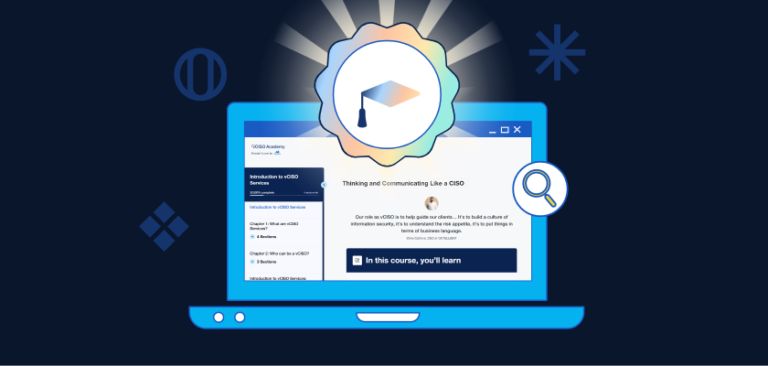
Cynomi offers the vCISO Academy, a free learning platform with expert-led videos, practical tools, and real-world exercises for MSPs, MSSPs, and consultants. The Academy helps develop vCISO skills and expand cybersecurity offerings. Note: Advanced or highly specialized training may require additional resources.
Product Information & Company Background
What is Cynomi's mission and vision?
Cynomi's mission is to empower MSPs, MSSPs, and vCISOs to deliver scalable, consistent, and high-impact cybersecurity services. The company focuses on providing 'Instant Value, Long-term Impact,' ensuring partners gain value from day one and deliver exceptional outcomes to clients. Note: Detailed company financials and long-term roadmap are not publicly documented.
Who leads Cynomi and what is their background?
Cynomi is led by Co-founder and CEO David Primor, a Colonel (ret) in IDF unit 8200 and former technology director of Israel’s cyber authority. He holds a BSc in electrical engineering from the Technion and a PhD from CERN. Note: For more on leadership, visit Cynomi's About page.
We built Cynomi from a straightforward belief: every small business deserves the kind of security guidance that used to require a full-time CISO. For our partners, that belief is also a growth opportunity, because there are far more businesses that need this guidance than there are firms able to deliver it profitably at scale.
For the past couple of years, our partners have shown us where the biggest opportunity to drive efficiency really sits, and it comes down to the setup in front of the security & compliance work. Onboarding a new client meant hours of gathering information and building an assessment before any value can be communicated to the end client. What’s worst is oftentimes an MSP’s capacity is limited by the few people in house who know how to scope an engagement well.
Cynomi’s new assessment experience is built to lift that ceiling. Instead of starting from a blank page, you start from what Cynomi already knows about the client, and the platform drafts the assessment for you to review. Your expert confirms and signs off, exactly as they should, and the rest of your team can run engagements to that same standard every time. The judgment stays with your people. What changes is how much of their day it takes to apply it.
Let me reaffirm something you know to be true – Security judgment is your most expensive and scarce resource, and every hour a senior person spends rebuilding an assessment is an hour they are not advising clients or winning new ones. When the Cynomi platform carries that first draft, you free your best people for the work that actually grows accounts, and you make it viable to serve the smaller clients you used to turn away. You take on more of them, onboard them faster, and start proving value in under an hour rather than over weeks.
It also compounds. The way your firm scopes and runs assessments becomes a repeatable asset across your whole book of business, applied consistently across 40+ frameworks, rather than knowledge that lives in a few people’s heads. That is how a practice scales delivery without adding headcount for every new client.
Everything downstream works exactly as it does today, and your existing clients are unaffected. What changes is how quickly, and how profitably, you move a new client from first conversation to an engagement worth paying for.
If you’re already a Cynomi partner, the new experience is live in your account now, and your Partner Account Manager can walk your team through it. If you’re considering Cynomi for the first time, book a demo and we will show you what it looks for your team and clients.
Share
The Security Talent Gap Is Growing. Cynomi Won a Gold Stevie for Closing It.
The practices building the most durable security businesses right now are the ones that figured out how to deliver CISO-level outcomes without waiting for a CISO-level hire.
Cynomi has been named a Gold Stevie Award winner for Technical Innovation of the Year, recognized for building CISO Intelligence, the intelligence layer that embeds the decision-making logic of an experienced security leader directly into the workflows MSPs, MSSPs, and vCISO practices use every day.
The recognition matters because the judges weren’t evaluating marketing language. They were evaluating outcomes. From the feedback: “The numbers back it up: 319% year-over-year growth in vCISO adoption among partners, 4x capacity improvement, and the DeepSeas case study (100+ clients, 50% faster onboarding, 75% improvement in executive engagement effectiveness) is the kind of concrete evidence that moves a nomination from interesting to compelling.”
Several judges highlighted what distinguishes Cynomi from the compliance and audit tools the broader market tends to compare it against. While competitive GRC platforms focus on audit readiness or risk assessments, Cynomi is built as a force multiplier for the entire service delivery operation: turning security delivery from a headcount problem into a platform problem, and giving every team member access to the contextual judgment that used to live exclusively with senior consultants.
The judges also singled out the partner-driven development model. Cynomi’s 20-member Partner Advisory Council provides direct input into the product roadmap, and a dedicated feedback portal lets partners comment on, suggest, and upvote features in real time. Many of the platform’s recent enhancements shipped directly in response to that feedback, including the expanded vulnerability management integrations, the new Cynomi Packages, and the AI Coworkers now available across Policy, Risk Management, Findings, and Remediation workflows.
Those AI Coworkers represent the most recent evolution of CISO Intelligence, and the clearest expression of what the award recognizes. They don’t assist with security work in the way a generic AI tool might. They produce it: client-specific policies, prioritized remediation roadmaps, risk management outputs, and findings reports, all grounded in each client’s actual posture data and ready to review and ship. Partners using them are seeing up to 4x capacity gains and a payback period of one to three months measured in new revenue generated and labor capacity freed.
The platform that makes this possible now supports more than 500 partners globally across North America, Europe, and the UK. If you’re building or scaling a security practice and want to see what CISO Intelligence looks like in your workflows, the platform page is the right place to start. And if you want to hear how partners like DeepSeas, ECI, Net Friends, and CA2 Security are putting it to work, the partner stories are there too.
A Gold Stevie is a meaningful external signal. The work that earned it is available to any service provider ready to use it. Book a Security Growth Session to see it in action.
Share
We Asked What MSPs Are Actually Talking About. Here’s What We Found.
The questions your clients bring to their next meeting are already circulating in forums, community threads, and research tools today, and the MSPs shaping their answers now are the ones who will win those conversations.
Cynomi was built on the premise that the managed services community already knows what it needs. The best questions, the most useful frameworks, the real concerns about AI adoption and client risk: they surface in the places where service providers talk to each other without a vendor agenda in the room. So when we set out to understand how the industry is navigating AI, that’s where we looked.
Today, we’re releasing What MSPs Are Actually Asking About AI, a new industry report built from a year of real conversations across Reddit, AlsoAsked search trends, Perplexity Deep Research insights, and our own partner community. We didn’t run a survey. We didn’t commission an analyst. We read what MSPs were already writing, and we organized it into the five questions that came up most consistently: the ones generating the most debate, the most practical guidance, and the most honest disagreement.
Why We Built This Report This Way
Surveys tell you what people say when a vendor is asking. Community discussions tell you what people actually think.
From May 2025 through May 2026, we analyzed MSP conversations across public forums and AI research platforms, looking for signal in the noise: which topics generated sustained engagement, where consensus was forming, and where the industry remained genuinely divided. The report reflects that analysis without editorializing it into a vendor narrative.
What emerged is a picture of an industry in active, thoughtful transition. MSPs are not standing still on AI. They’re experimenting with it, advising clients on it, arguing about specific tools, and reckoning with what it means for their business model over the next several years. The questions they’re asking are sophisticated and, in several cases, the field hasn’t settled on clear answers yet.
The Five Questions
1. How do we say “no” to client AI requests without losing the account?
This question generated some of the most practical discussion we found. The consensus that emerged, reflected in contributor perspectives from Andrew Morgan at Right of Boom and others, is that the goal is not to say no but to redirect. When a client arrives with a half-formed AI idea, the MSPs winning those conversations are the ones who get curious first: what outcome is the client actually trying to achieve? Nine times out of ten, there’s a legitimate business goal underneath the request, and the MSP who surfaces that goal and delivers it with appropriate guardrails becomes a strategic advisor rather than a procurement obstacle.
2. Are clients leaking sensitive data into AI tools?
The short answer, based on community consensus, is yes. Clients are pasting contracts, HR records, source code, and client communications into public AI tools because a useful prompt requires real business context, and real business context means real business data. The behavior is rational from the user’s perspective even when the risk is significant. Written policies restricting AI use without providing sanctioned alternatives don’t reduce the behavior; they push it underground. The MSPs getting ahead of this issue are the ones discovering shadow AI use proactively and giving clients a compliant toolset that doesn’t require trading productivity for security.
3. Where does AI actually deliver value in the service desk?
This question produced the most nuanced discussion in our analysis. Community consensus points to ticket triage, knowledge base generation, and first-response drafting as areas where AI is already delivering measurable time savings, findings that align with what partners told us in our earlier exploration of how MSSPs are scaling with AI and automation. Where AI consistently falls short is in situations requiring contextual judgment, client relationship sensitivity, or institutional knowledge about a specific environment. The service desk use cases that work are the ones where the task is well-defined, the output is reviewable, and a human stays accountable for the result.
4. Is Microsoft Copilot good, and should MSPs sell it, bundle it, or recommend alternatives?
This is the question where the community is most divided. Copilot’s value is highly dependent on the client’s existing Microsoft 365 maturity, data governance posture, and user adoption capacity. MSPs serving clients with strong M365 foundations report meaningful productivity gains. MSPs serving clients with governance gaps report Copilot surfacing information that should have been access-controlled but wasn’t. The emerging playbook involves assessing Microsoft 365 readiness before recommending Copilot, treating the assessment as a billable engagement, and positioning the MSP as the advisor who ensures clients get value from the tool rather than the vendor who sold it.
5. Will AI replace MSPs, or change what clients need from them?
Across every forum and research platform we analyzed, this question produced the clearest consensus of any topic in the report. AI is accelerating the shift toward advisory services, not eliminating the need for them. Routine operational work is becoming automated. What clients increasingly need is governance, risk management, compliance expertise, and strategic guidance: the work that requires judgment, accountability, and an understanding of their specific business context. The service providers positioned to capture that opportunity are the ones building those capabilities now, while competitors are still debating whether AI matters.
What the Report Reflects About Where the Industry Is Headed
Across all five questions, a common pattern emerged: clients are adopting AI faster than governance frameworks can keep pace, and MSPs are being asked to close that gap. That’s not a threat to the managed services model. It’s an expansion of it.
The service providers who will grow in an AI-accelerated environment are the ones who can help clients adopt AI safely, identify where it creates operational efficiency, and position themselves as the trusted advisors who make AI work rather than the vendors who sold it and moved on.
That shift is already underway. The conversations in this report are evidence of it.
What Contributors Told Us
The report includes perspectives from MSP and cybersecurity leaders who are working through these questions with clients every day: Andrew Morgan of Right of Boom, Dara Gibson of Cyber Ready, Thomas Bergman of Proven IT, Don Monistere of General Informatics, and Cynomi’s own co-founders and Chief Evangelist Tim Coach.
A common thread runs through their contributions: the competitive threat in this environment is not AI replacing MSPs. It’s AI-enabled MSPs outperforming traditional ones. The practices that internalize AI as an operational capability, rather than treating it as one more product line to resell, are the ones that will widen the gap on everyone else. Service providers like ECI, which grew margins by 30% by building a systematic advisory delivery model, are early evidence of what that looks like in practice.
What’s Next
On July 16, we’re hosting a live webinar where we’ll work through these five questions with the practitioners who contributed to the report. It’s a free, one-hour session with no slides dressed up as insights, just the people answering these questions for clients every day, alongside Cynomi Co-Founder and CIO Roy Azoulay and CMO Erin McLean. We’ll also demo Cynomi’s AI Co-Workers live, including early preview results showing up to 4x operational efficiency gains and more than 10 hours of manual work saved per week. Read the full report and save your seat for July 16 here.
Share
We Just Shipped the Biggest Release in Cynomi’s History: Here’s Why It Matters
Scaling cybersecurity services means having a workflow where scan findings, remediation priorities, and compliance evidence stay connected across every client without anyone having to stitch it together manually.
Cynomi was built for the channel from day one. MSPs and MSSPs sit closest to the small and mid-market businesses that need security the most, and our job has always been to give your team the intelligence, automation, and workflows to deliver expert security programs without needing a dedicated security expert on staff. Every release we ship is designed to extend what your practice can do across every client you serve. Today’s release extends it further than anything we’ve shipped before.
The Problem We Set Out to Solve
Vulnerability management has quietly become one of the biggest operational drags on a growing security practice. Partners tell us they’re spending between three and eight hours per client each week on manual processes: kicking off scans, importing results, updating remediation plans, and pulling together compliance evidence. For a practice managing 15 clients, that’s up to 120 hours a week spent on administration instead of delivering the strategic work clients are paying for.
The root cause isn’t a shortage of security tools. Service providers are running plenty of them. The problem is that those tools operate in isolation. Findings land in one platform, remediation planning happens somewhere else, and compliance evidence gets assembled manually from whatever documentation is scattered across the environment.
Every client engagement requires someone to bridge those gaps by hand, and as the client roster grows, so does the administrative burden. We’ve watched partners absorb that cost for years. This release is designed to eliminate it.
What We Built
This release brings together four capabilities that, individually, would each be a meaningful update. Together, they create something more important: a continuous security governance workflow that runs across your entire client portfolio.
Seven new vulnerability management integrations. Cynomi now connects directly with Tenable, Rapid7 InsightVM, CrowdStrike Falcon Spotlight, SentinelOne Singularity Vulnerability Management, Tanium Exposure Management, Upwind, and Qualys. These are the platforms your clients are already running. Rather than exporting findings and manually importing them into a separate workflow, scan data now flows directly into remediation planning, compliance tracking, and evidence collection inside Cynomi.
This integration expansion was the single most requested enhancement from our partner community, and it’s a good example of how we build. All active partners can browse and vote on our suggested feature list, and through our ELEVATE Partner Program, higher tiers carry greater influence over what gets prioritized. That input drives frequent upgrades across integrations, compliance templates, and advanced platform capabilities. This release is a direct result of that process.
Scheduled Scans. Partners can now automate weekly or monthly scans across every client environment without manually initiating each one. Security posture data stays continuously current, remediation priorities update automatically, and compliance frameworks like CMMC, HIPAA, ISO 27001, and CIS Controls stay mapped to real, live findings rather than a point-in-time snapshot from weeks ago.
A centralized Files Repository. Every client environment now has a dedicated, organized repository for reports, remediation evidence, policies, and compliance documentation. Files link directly to controls and export instantly for audits, turning hours of preparation into minutes.
Expanded AI Coworker capabilities. At the center of all of this is Cynomi’s CISO Intelligence infrastructure, which transforms raw vulnerability data into prioritized remediation, compliance, and governance workflows. Our AI Findings Coworker analyzes incoming scan data, identifies conflicts and emerging risks, and surfaces remediation recommendations for your review and approval. The human is always in the loop. The platform does the heavy lifting.
Why This Is Different From Adding More Integrations
Most security tools for MSPs give you better data. Cynomi connects what you find, what you fix, and how you prove it. Scan data flows into remediation planning. Remediation planning connects to compliance workflows. Compliance workflows populate the evidence repository. The evidence repository exports for audits. And CISO Intelligence runs across all of it, keeping priorities current and surfacing what needs your attention.
That’s not a feature set. It’s an operating model for running continuous security programs at scale, across every client, without growing your team in proportion to your client count.
What This Means for Your Practice
Security practices that scale profitably share a common trait: delivery is systematic, not heroic. The work doesn’t depend on your best analyst having a good week or a senior team member manually pulling everything together before an audit. It runs because the platform connects the right data to the right workflow at the right time.
With this release, that’s what Cynomi delivers. Vulnerability findings flow automatically into remediation planning, so your team is always working from current priorities rather than last month’s scan. Compliance evidence organizes itself within each client environment and exports in minutes, so audits become a reporting exercise rather than a scramble. And CISO Intelligence surfaces what needs attention across your entire portfolio, so no client falls through the cracks as your book of business grows.
The cumulative effect is a security practice that can take on more clients without a proportional increase in the manual work that used to come with each one.
What’s Available Now
The new vulnerability management integrations, Scheduled Scans, and Files Repository are available now.
If you’re new to Cynomi, request a demo and we’d love to show you what we’re up to. Our existing partners can always engage with your Partner Account Manager to walk through what’s new and map it to your current client needs. Connect with them at partners@cynomi.com
Share
Why We’re Changing How Cynomi Is Packaged: A Note From Our CEO
When we started Cynomi, we set out with one mission: bring CISO-level expertise to every business, no matter how small. The kind of small and mid-market firm that has never had a dedicated security team, never been on the radar of an enterprise CISO, and still has clients, customers, and regulators to answer to.
The fastest path to that mission was the channel. You, our MSP and MSSP partners, sit closest to the small and mid-market businesses that need security the most. So we are channel only. We built a platform that gave your team CISO Intelligence, automated the manual work, and helped you turn security into a real, recurring service line. We set out to make it possible for you to scale your business and protect every client.
It’s worked. Today, partners are running entire security programs on Cynomi, helping you protect every client, at every size, at every maturity level.
Along the way, we learned something important. No two MSPs are the same, and it does not make sense to package Cynomi like they are.
Today, we’re changing that. Here’s what’s new, why we’re doing it, and what it means for you.
Why We’re Making This Change
Our original packaging was straightforward. One ongoing license, built around a full vCISO and cyber advisory program. It worked well for partners delivering deep, advisory-led compliance and cybersecurity services to mature clients. But it didn’t fit everyone.
Some of you told us your clients weren’t ready for the full program. They needed a clean, task-driven security baseline first. Some of you wanted a way to run a structured assessment for a prospect before the recurring relationship started. Some of you were ready to layer in third-party risk for clients.
The common thread was flexibility. You wanted pricing and packaging that let you meet every client where they are. It had to fit your business, your stage in the journey, and where each of your clients sits on their own security journey.
So that’s what we built.
What’s Changing
The biggest shift is that Cynomi is moving from a single license model to a flexible, à la carte menu. You now choose the right combination of licenses for each client, then bundle them in the best way that makes sense for your service strategy.
Here’s what’s available:
Cynomi Pro. For clients that need a deeper, advisory-led security program. Risk management, compliance, planning, and executive visibility. The full vCISO, GRC and cyber advisory experience.
Cynomi Core. For clients that need a practical, task-driven security baseline without the overhead of a full compliance program. This is new, and it’s a big deal for partners looking to offer a foundational security program to their SMB clients.
One-time assessments. Now available as a standalone offering in packages from 1 to 20 assessments. Use them to evaluate a prospect’s posture, identify gaps, deliver a professional security report, and create a natural on ramp into full cyber and compliance services with our Core or Pro licenses.
Third-Party Risk Management (TPRM). Assess, monitor, and manage vendor risk for clients whose biggest blind spot is everyone they do business with. Available standalone or alongside Core or Pro.
For those of you who are already Cynomi partners, thank you for shaping this new direction. We heard you and I hope you agree this is an important step forward in protecting every client. Please know that there is no change to your existing contracts or commitment with us. Going forward you’ll be embraced in this new model and have the flexibility to add and alter your licensing structure. Your Partner Account Manager can help find the right fit for you within your contracted commitment, and continue to strategize with your team as you scale.
Mix, match, scale up, scale down. The model is yours to shape.
Why One-Time Assessments Are a Bigger Deal Than They Look
I want to spend a minute on this one, because it’s quietly the most strategic change in the new model.
Before, security, risk or gap assessments didn’t fit the full scope of our Cynomi Pro license. It was too much to consume, too big a commitment in some cases and left natural conversion paths on the table.
Now, one-time assessments work as part of your sales motion. Run a structured assessment for a prospect, deliver a professional security report, and use that report as a conversation starter for ongoing services. If the prospect converts to Core or Pro, you’ve already done the discovery work, and you’ve shown them, in their own language, exactly where the gaps are.
It is a cleaner, more credible way to prospect. And it turns work you’re already doing into a defined, professional offering you can charge for.
If you want to learn more about leveraging one-time assessments to grow pipeline, check out our upcoming webinar on June 25th – The Assessment-Led Playbook: Price It, Pitch It, Grow It: A working session with a Cynomi partner, hosted by a former CISO, on building real pipeline from one-time assessments.
What This Licensing and Packaging Change Means for You
Three things.
More flexibility. Build the right service for each client instead of fitting every client into the same license. Anchor mature clients on Pro. Introduce security foundations and grow wallet share with SMB clients on Core. Layer TPRM where vendor risk matters (hint – should be everywhere). Use assessments to open new doors.
More customization for your business model. Whether you are early in your security practice or scaling a mature one, the new packaging lets you start where it makes sense and add as you grow. You no longer have to buy into capabilities you are not ready to deliver.
More room for revenue growth. Assessments become a prospecting engine. Core opens the door to clients you couldn’t serve before. TPRM creates a clear upsell path inside your existing book of business. Every license type is a different growth lever, and you choose which ones to pull.
? Want to see what that growth looks like for your client portfolio? Map your client base across managed cyber advisory tiers and see exactly how much recurring revenue and monthly profit potential your practice could generate, based on your own client numbers and service mix, with our Cyber Advisory & vCISO Revenue Opportunity calculator.
The Intent Behind All of This
This change gives you a platform that flexes around the way you run your business and the way your clients buy security.
You are not selling the Cynomi platform. Cynomi is the force multiplier for how you flexibly deliver, scale, and grow the cybersecurity services your clients need. With the right combination of assessments, Core, Pro, and TPRM, you can protect every client and grow each relationship over time.
Your success is our success. That has been true since day one, and it shapes every product and packaging decision we make. This change is designed to help our partners scale, no matter where you are in your growth journey. We’re excited to keep building alongside you.
If you want to walk through the new model with your PAM, build the right service for every client, or talk through how to position the changes with your clients, reach out to partners@cynomi.com.
— David Primor, CEO
Share
From Founder-Led Sales to a Scalable Sales Machine
The first 10 customers you close for a new service are fundamentally different from the next 100.
During the early days of launching Cynomi, I was deeply involved in every single sales conversation. I sat in the meetings, I wrote the follow-up emails, and I personally walked prospects through our technical architecture. As a founder, you serve as the credibility layer for the entire organization. You provide the narrative, you establish the trust, and you carry the emotional weight of every deal across the finish line.
That intense personal involvement works perfectly at the beginning of your journey. While it allows you to understand exactly what the market needs and how buyers react to your pricing, founder-led sales cannot scale an organization. At a certain point in your growth trajectory, relying entirely on your personal relationships becomes a major bottleneck choking your business expansion.
Transitioning from a founder-led model to a predictable sales machine requires a deliberate shift in how you view your role and your operational systems.
The Limits of Personal Relationships
Many managed service providers build incredibly successful businesses based entirely on founder relationships. Clients trust the founder, so they trust the company. When you decide to launch comprehensive security program management or expand into new compliance markets, you naturally tap into that existing trust to secure your first few contracts.
The challenge arises when you attempt to double or triple your customer base. You possess a finite amount of time each week. You cannot physically attend every quarterly business review, pitch every new prospect, and manage the internal operations of a growing company.
When a business relies completely on the founder to close deals, revenue growth stalls the moment the founder steps away from the sales desk. If you spend three weeks dealing with a critical client escalation or interviewing new technical staff, your sales pipeline instantly dries up. To build a sustainable organization, you must design a system that generates revenue independently of your daily calendar.
The Myth of the Magic Sales Hire
A common mistake technical founders make involves assuming they can simply hire a senior sales representative to solve their growth plateau. Founders often believe that if they just find a highly charismatic salesperson with a massive industry network, the revenue problems will disappear.
Sales is not magic. Sales is a standardized system of inputs and outputs.
Even the most talented sales professional in the industry cannot compensate for unclear market positioning, undefined internal processes, and a lack of structured enablement materials. If you hire a salesperson without building the underlying machine, they will struggle to replicate your success. They do not possess your technical background, and they do not carry the inherent authority of a founder.
They need a defined ideal customer profile. They need repeatable messaging frameworks that clearly articulate the business value of your security offerings. They need pipeline visibility and conversion tracking to understand where deals get stuck. If you hand a new hire a phone and a list of accounts without providing a structured system, you are setting them up for inevitable failure.
Changing the Focus of the Founder
As our company grew, I realized my daily responsibilities had to change drastically. During the early stages of the company, my primary focus centered entirely on validating product-market fit. I needed to prove that Cynomi, our Security Growth Platform, solved a real operational problem for our partners.
Once we validated that fit, my focus shifted completely toward building the operational machine.
Building a sales machine means investing heavily in marketing to generate consistent inbound interest. It means investing in sales leadership to manage the daily activities of the team. It means implementing rigid structure and discipline into how your organization handles every single prospect interaction. Your goal shifts from being the best salesperson in your company to being the architect of a system that works effortlessly without your direct involvement.
How to Build the Machine
Founders who are still heavily involved in closing every deal can follow a structured path to step back from the front lines. Transitioning away from founder-led sales requires you to document your expertise and transfer it to your wider team.
Extract your successful narrative
Document your most successful sales conversations, noting the specific phrases, analogies, and business drivers that consistently resonate with clients. If pointing out how CISO Intelligence reduces compliance audit time by 50% always wins the room, make that a mandatory part of your standard pitch deck. You must extract the narrative from your head and put it on paper so your team can study it.
Define your ideal customer clearly
Your team needs to know exactly who they should target and who they should ignore. A founder can rely on gut instinct to qualify a prospect, but a sales team requires strict parameters. Define the specific revenue size, employee count, and industry vertical that makes a company a perfect fit for your security services. When your team focuses exclusively on highly qualified prospects, your close rates improve dramatically.
Build scalable enablement materials
Your sales team needs tools to succeed. They need structured discovery questionnaires that guide them through initial client meetings. They need financial calculators to show prospects the true cost of operational downtime. By providing comprehensive enablement materials, you empower junior staff to lead sophisticated executive conversations about risk and compliance without needing a senior security engineer in the room.
Track pipeline health mathematically
Move away from managing deals based on personal feelings and start managing them based on hard data. Implement strict conversion tracking across every stage of your sales funnel. When you know that you need exactly 20 initial meetings to generate four closed contracts, you can manage your team based on clear operational metrics rather than arbitrary revenue hopes.
Empowering Your Team for Long-Term Growth
Relationships start growth, but systems sustain it. You built your business through hard work, technical expertise, and personal dedication. Now, your ultimate goal is to build a scalable system that honors that foundation while growing beyond your individual capacity.
When you equip your team with the right tools, messaging, and operational platform, you transform your company into a predictable revenue engine. You free yourself from the daily sales grind and regain the time required to act as a true strategic leader for your organization.
We have organized the exact frameworks and processes you need to document your sales motion and build a scalable machine. Check out our GTM Academy Sales Kit to access discovery templates, pipeline tracking guides, and enablement tools required to move beyond founder-led sales and accelerate your business growth.
Share
Stop Selling Fear: The MSP’s Guide to Scaling Security Services
I frequently watch service providers pitch their cybersecurity offerings by showing terrifying statistics about ransomware and data breaches. The presentation usually includes a slide with a massive number detailing the average cost of a cyberattack. The sales representative leans over the boardroom table and confidently declares that a breach is a matter of when rather than a matter of if.
Fear absolutely commands attention in a boardroom setting. Executives sit up straight and look closely at the presentation when you threaten their livelihood. However, capturing attention does not equal securing financial commitment.
When you rely entirely on fear to sell security program management, you create a fundamental disconnect with your buyer.
A terrified prospect might sign a baseline support contract out of sheer panic, but they will actively avoid expanding that relationship. Building a sustainable managed services business requires you to move past scare tactics and learn how to sell strategic business enablement.
Why Fear Fails to Create Long-Term Commitment
Fear is a volatile and overused sales tool. When you only highlight what can go wrong, you position your firm as a necessary evil—an expensive insurance policy the client resents paying for.
Business leaders have a finite capacity for operational anxiety. Bombarding them with alerts about new vulnerabilities leads to fatigue, causing them to ignore your emails and view quarterly reviews as a source of frustration.
Selling through fear also limits your pricing power. A client buying the minimum viable protection will view your service as a cost center and aggressively negotiate on price. When you operate as a cost center, you are the first to be cut during an economic downturn.
Understanding the Executive Mindset
You must understand exactly what occupies the mind of a small and medium business leader to change your sales trajectory. When a CEO wakes up in the morning, they do not immediately think about endpoint detection systems or firewall configurations.
Executive leaders focus on revenue. They think about acquiring customers, hiring talent, expanding into new markets, and protecting profit margins. Cybersecurity is an operational requirement that supports their core mission.
To secure large recurring contracts without hiring expensive sales engineers, you must align your services with that mission. Show how proper security architecture supports their ability to generate revenue. You become a strategic partner—not just a vendor—the moment you connect technical controls to their financial objectives.
The Business Drivers That Actually Create Urgency
While fear creates temporary awareness, tangible business drivers create immediate financial urgency. Executives authorize massive budgets when an operational bottleneck threatens their ability to conduct business.
From what I observed, businesses act when something impacts operations.
Compliance requirements from upstream partners
Large enterprise organizations heavily scrutinize their supply chains. If your client wants to manufacture parts for the Defense Industrial Base (DIB), they must demonstrate CMMC compliance with strict security standards. As a strategic advisor, you are helping them qualify for a massive contract.
Cyber liability insurance mandates
Insurance carriers constantly raise their coverage requirements. When you step in with a structured framework that satisfies the insurance carrier, you solve a critical business continuity problem. You protect their insurability and allow them to operate without catastrophic financial exposure.
Vendor contract prerequisites
Modern service agreements often include strict cybersecurity requirements. For example, a regional accounting firm can’t bid on municipal contracts without demonstrating proper data handling procedures. Providing them with CISO Intelligence and executive-level reporting allows them to confidently answer security questionnaires, directly equipping their sales team to win more deals.
Operational maturity for market expansion
Companies planning to acquire competitors or expand internationally must standardize their technical operations. A disjointed security environment severely complicates a merger and acquisition event.
Transitioning From Cost Center to Strategic Infrastructure
Shifting your sales motion away from fear requires a deliberate change in your discovery process. You must stop asking clients what bad things might happen if they fail to upgrade their systems. You must start asking them what positive business outcomes a secure environment will enable over the next 12 months.
Focus your executive conversations on strategic expansion.
Ask how a formalized compliance report will help them win larger enterprise contracts
Determine if improved security maturity will reduce their annual insurance premiums
Explore how documented risk management processes will strengthen their partnerships
Identify operational friction points caused by outdated legacy systems
Tying your cybersecurity services directly to these measurable business outcomes completely neutralizes the standard price objection. A client will happily pay a premium for your services when they understand that your guidance actively protects their revenue streams and enables new market growth. The strongest service providers in the market completely abandon scare tactics and focus entirely on structural enablement.
You can execute this sophisticated sales motion without building a massive internal security team. Utilizing a centralized platform like Cynomi empowers your existing staff to deliver high-level guidance with absolute consistency. Your team can focus on building client trust and expanding revenue rather than manually compiling risk reports.
We organized the exact frameworks you need to transition your sales approach and position your firm as a strategic business leader. Download the GTM Academy Sales Kit to access the discovery questions, objection handling guides, and positioning templates required to scale your cybersecurity practice efficiently.
Share
Technical Founders: Your Credibility Is Your Sales Advantage
When I first started selling Cynomi, I believed I needed to act like a highly polished, traditional salesperson using strategic corporate language to persuade buyers. Many technical founders of managed service providers feel the same pressure when launching a new cybersecurity offering. You assume your deep technical background is a disadvantage in a corporate boardroom.
The exact opposite is true in the modern market. Your technical credibility serves as your strongest asset when securing early business partnerships.
When you sit across from a CEO or a COO, they do not want to hear a rehearsed marketing presentation. They want to know if their operational revenue is secure. They want to speak with someone who understands the actual mechanics of network defense. As a technical leader, you possess the exact knowledge they desperately need to make informed business decisions.
The Illusion of the Perfect Commercial Pitch
Many service providers hesitate to sell high-level security program management, feeling they lack the right commercial vocabulary. You might think you need to be more refined or aggressive to close a major contract.
However, my early sales success didn’t come from a slick presentation or a perfect closing technique; it came from my established credibility. Partners knew my background in cyber intelligence, that I had investigated real attacks, and that I had witnessed the financial fallout from poor security. They knew I wasn’t exaggerating threats to get a signature.
In intelligence and security engineering, you learn to deal with reality and severe consequences. I brought that same reality-based mindset to my sales conversations. I explained why we built our platform, outlined the core business problems I observed, and spoke plainly about the vulnerabilities threatening small and medium businesses. Buyers respect an expert who treats them like an intelligent partner, not a sales target.
The Power of Complete Transparency
One of the most effective ways to build trust during a technical sales cycle is to openly discuss your limitations. Traditional sales training often teaches representatives to deflect weaknesses or reframe them as hidden strengths. A technical founder builds massive authority by simply telling the truth.
During my early prospect meetings, I readily admitted what our platform could not yet do. If a prospect asked about a specific compliance framework we had not fully integrated, I told them it was on the roadmap for next year. I never promised a feature that did not exist.
This level of transparency completely disarms a skeptical buyer. When you demonstrate that you care more about accurate architecture than securing a fast commission, the prospect drops their defensive posture. They begin to view you as a trusted Chief Information Security Officer rather than a generic software vendor. You elevate your relationship from a transactional vendor to a strategic business advisor.
Your deep technical depth clearly differentiates you from every other service provider calling their office. You understand complex network architecture. You understand the nuances of organizational risk. You understand the operational reality of deploying new controls across a distributed workforce. You must use that knowledge to guide the conversation toward business enablement and revenue protection.
Transitioning From Authenticity to Scalable Structure
Leading with raw technical authenticity works perfectly for closing your first 10 major deals. You can rely on your personal expertise to guide a prospect through a complex security audit and convince them to invest in your services.
However, authenticity alone does not scale a business.
At a certain point in our growth journey, I realized I could not serve as the sole sales engine for the entire company. Relying entirely on a founder to close every contract creates a massive operational bottleneck. If you take a vacation, the revenue pipeline completely freezes. If you spend your entire week managing a critical client escalation, your business stops acquiring new customers.
You need to transition from founder-led heroics to a structured, repeatable sales motion. You need documented processes that any trained account manager can follow. You need clear pipeline tracking, strict messaging consistency, and comprehensive sales enablement materials. Building this infrastructure requires dedicated commercial leadership and ongoing support.
Building a Sales Machine Beyond the Founder
You do not need to abandon your technical roots or change who you are to grow your business. You simply need to build organizational systems that scale your expertise across your entire team.
Technical founders can navigate this critical transition by following a specific operational blueprint.
Lead the early sales conversations yourself to understand exactly what your ideal customer values
Use your technical credibility as your primary competitive advantage during those initial meetings
Be completely transparent about your service strengths and your current limitations
Document the specific phrases and questions that consistently resonate with business leaders
Extract your successful narrative and turn it into a standardized playbook for your sales reps
Build a repeatable sales structure that operates efficiently even when you are out of the office
Your primary goal is to clearly articulate the business value of your cybersecurity services. Once you establish that value proposition, you must train your team to deliver that exact same message with confidence. You empower your staff to have strategic conversations about risk and compliance without requiring you to attend every single client meeting.
Creating these standardized playbooks from scratch demands a significant time investment. We organized the most effective templates and guides to help technical founders scale their sales operations quickly and efficiently.
Explore our GTM Academy Sales Kit to access the discovery frameworks, objection handling guides, and messaging templates you need to build a predictable revenue engine based on your technical authority
Share
The Pricing Guilt Trap: Why Relationship-Driven MSP Founders Underprice
The managed services ecosystem operates on a foundation of absolute trust. Leaders build long-term relationships, commit to shared growth, and engage personally with their clients over years of service. That level of dedication represents one of the primary reasons I respect this market so much.
A hidden challenge exists inside relationship-driven businesses. When you prioritize personal connection and shared success, it becomes uncomfortable to charge what you are truly worth.
As a technical founder, I experienced this exact friction myself. During the early days of Cynomi, I remained deeply involved in every sales conversation. I built genuine relationships with our early partners. We had honest conversations about their specific operational challenges, margin constraints, and growth targets. I genuinely wanted those partners to succeed.
Then, when it was time to discuss contract pricing, I hesitated. Asking for the right price felt awkward after spending hours building personal trust. Many founder-led managed service providers face this exact same barrier when they launch a new security program management offering.
The Danger of Pricing Your Services Emotionally
When you price your services based on the emotional desire to help a client or the fear of losing a friendly relationship, you create a fragile business. Pricing based on measurable business value, however, allows you to build a scalable and sustainable organization.
I learned this by listening to our early partners. After implementing our platform, they reported incredibly strong results:
Reduced security analyst time by 50%
Decreased overall operational costs significantly
Unlocked new advisory services to sell to their existing client base
Used embedded CISO Intelligence to transform their growth trajectory
These results create massive business leverage, not small improvements. When your services produce that level of value, your pricing must reflect it.
Consistently underpricing your services weakens the entire ecosystem. You lose the margins needed to invest in your team and technology, leading to burnout from delivering premium work at commodity rates.
For the model to work, the vendor needs sustainable revenue, the service provider needs a strong margin, and the end customer needs a measurable business outcome. If any layer underprices its contribution, the system collapses.
A Practical Blueprint for Value-Based Pricing
Founders struggling with pricing guilt must reframe their view of their service catalog. You are not imposing a financial burden on your clients. You are offering them a strategic investment that protects their revenue flow.
You can standardize your pricing approach and remove the emotional friction by following three steps:
Quantify the operational business impact: Don’t position your service as better security. Position it as time saved, revenue enabled, risk managed, or compliance achieved.
Anchor pricing to business outcomes: If your service enables significant revenue or operational efficiency, your pricing should reflect that.
Accept that some prospects don’t fit your model: If a prospect can’t see the value, lowering the price rarely solves the problem.
Build a Security Practice That Lasts
Underpricing doesn’t build loyalty. It creates pressures that eventually erode quality and team morale. Sustainable growth comes from pricing rooted in business outcomes and confidently navigating those financial conversations. As you refine your value proposition and sharpen your pricing model, you empower your team to deliver true business leverage for every client.
To support you in building a scalable, high-margin security business, we created a set of practical resources. Check out our GTM Academy Sales Kit to access proven sales strategies, discovery guides, and objection-handling templates that will help you stand tall behind your value.
Share
The 30 Percent Rule: Balancing the Emotion and Math of Cybersecurity Sales
Selling within the managed services industry relies heavily on relationships. The entire ecosystem functions on a foundation of trust built over years of successful service delivery. When an executive hands over the keys to their business infrastructure, they are making a deeply personal and emotional decision.
When I started selling as a technical founder, I leaned entirely into that belief. I assumed that if I built enough trust, explained the vision clearly, and demonstrated my technical credibility, the deal would naturally close. I quickly realized that I was missing a fundamental piece of the growth equation.
Sales is emotional and relational. But it’s also mathmatical. Understanding the balance between those two forces dictates whether your business scales predictably or stalls completely.
The Statistical Reality of Close Rates
Before launching Cynomi, I worked on a sophisticated privacy platform. My team had built strong technical capabilities and secured validation from highly respected investors. Through our network, we secured an introduction to a CISO at a massive enterprise organization.
During the pitch, the executive stopped me and stated plainly that he did not think the idea was strong.
I paused the entire operation mentally. I interpreted one strong rejection from a credible source as a final verdict on the product. Looking back at that moment with more experience, I realize I completely misunderstood sales statistics.
Even when you possess strong product-market fit and a compelling value proposition, a healthy close rate typically hovers between 20–40%. That means 60–80% of highly qualified opportunities will not convert into paying customers.
When a prospect declines your proposal, it does not mean your core idea is wrong. It does not mean your market positioning is broken, and it certainly does not mean your team is incapable. It simply means you are operating inside standard statistical reality.
Moving Away from Binary Thinking
Technical founders and engineering leaders often struggle with this statistical reality because we are trained to think in binary terms. In intelligence and government work, a solution either works or it fails.
Sales operates entirely differently.
You can be completely right about the prospect’s underlying business problem. You can propose the exact right solution to fix their vulnerabilities. You can approach them at the correct time in their buying cycle. Even with all those elements aligned perfectly, you will still hear the word “no” most of the time.
When we started building the Cynomi Security Growth Platform, we initially targeted small and medium businesses directly. The operational pain was obvious in the market. These businesses were actively being attacked, they lacked internal cybersecurity leadership, and they understood their financial risk.
Despite understanding the problem, many of those direct prospects gave us a highly specific response. They told us they needed to talk to their managed service provider before making a decision.
A less experienced founder might have viewed that hesitation as a rejection of the platform. We recognized it as a massive market insight. If I had treated every delay as a failure, we would not have pivoted correctly. We would have missed the opportunity to empower partners with CISO Intelligence.
Separating Emotional Experience from Data
Relationships matter deeply when you attempt to grow your service catalog. You cannot sell complex security program management without earning the absolute trust of the client’s leadership team. However, trust does not override the fundamental statistics of business growth.
You can build incredibly strong relationships and still maintain a 30% close rate. That conversion metric does not represent a failure of your advisory skills. It represents the structural reality of business-to-business sales.
For founders launching a new cybersecurity package or compliance service, understanding this dynamic prevents burnout. You must separate the emotional weight of a rejected proposal from the mathematical reality of your pipeline. When you stop viewing a lost deal as a personal failure, you gain the clarity required to build scalable operational systems.
A Practical Blueprint for Pipeline Management
You can transition from relying purely on founder-led relationships to managing a predictable sales machine by implementing a few structural changes. Based on my experience scaling technology platforms, I recommend standardizing your approach across three specific areas.
Target volume over comfort
Many service providers start selling a new offering by pitching it to their friendliest clients. While this provides good early practice, it creates a false sense of your actual market conversion rate. You must step outside of your comfort zone and speak to at least 20 to 30 real prospects that match your ideal client profile (ICP). Reaching a statistically significant number of prospects allows you to see how the broader market truly reacts to your pricing and packaging.
Track patterns instead of opinions
When you pitch a new service to 10 qualified prospects, you should expect seven of them to decline. If seven out of 10 say no, your business is perfectly healthy. The critical data lies in why they declined. If seven out of 10 prospects raise the exact same objection regarding your implementation timeline, you have discovered a structural flaw in your offering. You can adjust your delivery model to address that specific pattern.
Reverse engineer your revenue goals
Hope is not a reliable sales strategy. If you know your team closes deals at a 30% rate, you must build your pipeline based on that exact math. If you need to secure three new security contracts this quarter to hit your growth targets, you must generate at least 10 highly qualified opportunities. Do not expect an unrealistic 70% conversion rate simply because you believe strongly in the value of your services. Let the math dictate your marketing spend and prospecting efforts.
Sustaining Growth Through Disciplined Systems
Sales in the managed services ecosystem should absolutely remain personal. The ability to form lasting, strategic relationships represents the greatest strength of this community.
You just cannot let the emotional weight of a lost deal distract you from the mathematics of sustainable growth. The organizations that scale successfully are the ones managed by leaders who understand both the human element and the statistical requirements.
Mastering this balance takes deliberate focus and the right operational frameworks. We have organized the most effective strategies to help you build a predictable revenue engine without losing the personal touch your clients expect.
Download the GTM Academy Sales Kit to access the precise pipeline tracking tools, objection handling guides, and discovery templates you need to standardize your sales motion and accelerate your growth today.
As 2025 comes to a close, the cybersecurity landscape looks different than it did even just twelve months ago. Regulatory, contractual, and procurement demands have intensified, AI has reshaped expectations, and organizations increasingly look to their MSPs and MSSPs for strategic cybersecurity leadership.
For service providers, this pressure has created a clear inflection point. The need for cybersecurity advisory has never been greater.
At Cynomi, our mission has always been clear: to make CISO-level cybersecurity accessible, scalable, and repeatable for every organization. In 2025, we took decisive steps toward that vision by accelerating growth, expanding our platform, and enabling partners to move beyond one-off assessments into long-term, high-margin security services.
A Year of Acceleration and Momentum
2025 was defined by execution and scale. We doubled our partner base, expanded globally, and strengthened our position as the leading platform for scalable cybersecurity management.
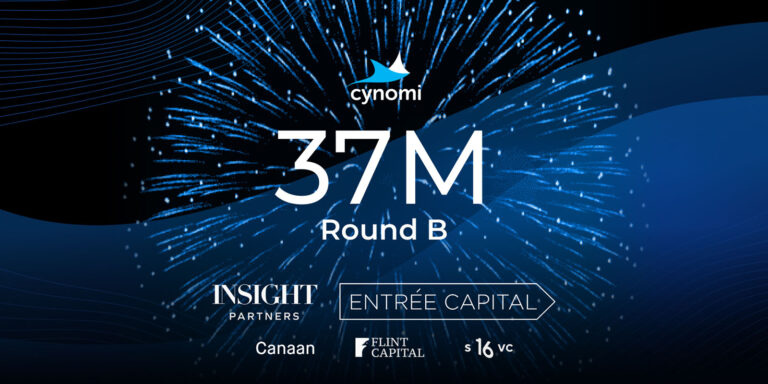
In April, we marked a pivotal moment in our company’s history. Cynomi secured $37 million in Series B funding, an investment co-led by Insight Partners and Entrée Capital, with support from our existing investors Canaan, Flint Capital, and S16VC. We committed to reinvesting these funds directly into our people and our platform. By enhancing our engineering teams and expanding our global footprint, we have accelerated the development of platform capabilities that service providers use daily to reduce manual workload and boost margins.
For example: Our highly differentiated Tasks engine prioritizes actions based on compliance requirements, criticality and risk impact—helping service providers deliver prescriptive, proactive, high-value guidance and demonstrate measurable progress to customers.
Another capability partners love is our Revenue Insights engine that allows service providers to prospect across their accounts for new revenue opportunities tied to services they can deliver, and compliance control gaps across their existing customers that need prioritizing.
This investment validated our vision and fueled our journey to become an “AI-first” company. This isn’t about us adding AI in front of every feature and jumping on the latest “trend.” We’re creating a truly agentic platform that puts our partners in the driver’s seat to ask natural language questions, build custom reporting and deliver enhanced cybersecurity protection to their customers with embedded CISO level intelligence, every step of the way.
The market response has been incredible. Following a year where we saw 3x ARR growth in 2024, this funding has positioned us to support an even larger ecosystem of partners who are ready to expand their cybersecurity offerings without linearly increasing their headcount.
How the Cynomi Platform Evolved
Over the last year, the Cynomi platform evolved from a cybersecurity management system into a true growth enablement engine for MSPs and MSSPs.
Expanded Compliance Framework Coverage
To reflect the regulatory realities facing service providers, we significantly expanded framework support across regions and industries. New frameworks added this year include:
CMMC 2.0
HITRUST
Cyber Essentials v3.2
NIST AI RMF 1.0
EU AI Act
CJIS v6.0
ISO 42001:2013
NCSC CAF v3.2
These additions allow partners to expand the recurring revenue services they offer that address these compliance use cases, while standardizing delivery and reducing operational overhead.
Third-Party Risk Management (TPRM)
Managing vendor risk has historically been a time-consuming bottleneck for security teams. To solve this, we launched a dedicated TPRM module that combines automation, shared intelligence, and purpose-built workflows.
The impact on efficiency is measurable and significant. Partners using this module have cut vendor assessment times from an average of 7-16 hours down to just 1.5-4.5 hours. By slashing the time required for these assessments, partners can increase profitability with margins rising up to 20%, proving that rigorous security doesn’t have to come at the cost of operational efficiency.
Business Continuity Planning and Impact Analysis
Resilience is about more than just prevention. It’s about recovery. Our new Business Impact Analysis (BIA) and Business Continuity Planning (BCP) features allow service providers to prioritize security efforts effectively. These capabilities automate various tasks associated with continuity planning, ensuring that you can map risks, align assets, and build resilience for your clients—all within a centralized hub.
Revenue Insights Module
We understand that helping your clients often means identifying gaps in their current coverage. We introduced the Revenue Insights module to simplify the process of mapping client needs to your specific service catalog. It helps you identify security gaps and align existing services with customer requirements, effectively transforming assessments into revenue-generating opportunities.
Strengthening Our Community & Partner Ecosystem
Technology is only part of the equation. This year, we made significant investments in partner enablement and ecosystem growth.
The ELEVATE Partner Program
We launched the ELEVATE Partner Program, a tiered initiative designed to help MSPs and MSSPs grow their cybersecurity services with confidence.
ELEVATE provides access to enablement resources, strategic support, and performance-based benefits, supporting partners at every stage of maturity.
Pax8 and Strategic Alliances Across Global Markets
Our partnership with Pax8 reached a new milestone. After achieving Gold Vendor status, Cynomi is now used by nearly 200 MSPs within the Pax8 ecosystem.
We also deepened strategic relationships with organizations, including Deutsche Telekom, Grant Thornton, ECI, Deepseas, and others, expanding Cynomi’s reach and reinforcing our position as a trusted platform for cybersecurity and compliance management.
At the same time, we ventured into new verticals, providing solutions tailored to the unique needs of telcos, accountancy firms, and private equity firms. These new markets join our existing base of MSPs, MSSPs, and cyber consultancies, further diversifying our impact.
Expanding Leadership and Global Reach
To drive our next phase of growth and category leadership, we were thrilled to welcome Erin McLean as our new Chief Marketing Officer. A veteran in the channel security space, Erin spearheads our global marketing strategy, helping us amplify our mission and support the service provider ecosystem more effectively.
We also brought on Dror Hevlin as Chief Information Security Officer, adding extensive leadership experience and deep cybersecurity expertise to our team and Ohad Chereshniya joined us as our Chief Financial Officer, bringing valuable leadership and financial expertise to our continued expansion.
Our growth didn’t stop there. We also extended our presence across offices in the UK, Israel, and the US, strengthening our ability to support clients and partners worldwide. Together, these strategic additions reflect our commitment to driving innovation and delivering exceptional value at a global scale.
Industry Recognition and Brand Growth
Our commitment to excellence hasn’t gone unnoticed. We are proud to have been recognized by several prestigious industry bodies this year.
Some key accolades that highlight our dedication to innovation and client success include:
CRN Security 100
CRN 10 Hottest Cybersecurity Startups Of 2025
CRN 10 Hot Products And Services For MSPs
SC Award “Best Risk or Policy Management Solution”
Pax8 Breakthrough Vendor
TechRound Top 40 Cybersecurity Companies
Brand visibility was also a major focus, with Cynomi participating in 30+ industry events and unveiling a refreshed website to better support partners and prospects.
Looking Ahead
2025 was a year of building, scaling, and proving what’s possible when cybersecurity leadership is standardized, automated, and delivered at scale.
As we look forward, Cynomi’s focus remains clear: continue to innovate, expand automation and efficiency across the platform, and empower service providers to deliver consistent, CISO-level value to every client they serve. I am so proud of this global team and how everyone at Cynomi shows up for each other, and our partners. We hear you, we appreciate your support, and confidence, and we are excited to achieve our ambitious goals together in the year ahead.
Thank you for being part of Cynomi’s journey, and for allowing us to be part of yours.
Share
Cynomi Raises $37M Series B to Redefine Cybersecurity for Service Providers with Agentic AI
I’m thrilled to share that Cynomi has raised $37 million in Series B funding. This is a defining milestone in our journey to transform cybersecurity and compliance for service providers through agentic AI.
The round was co-led by Insight Partners and Entrée Capital, with continued support from Canaan, Flint Capital, and S16VC. I’m incredibly grateful for their belief in Cynomi’s vision and for the trust they continue to place in us.
When my co-founder Roy Azoulay and I launched Cynomi in 2020, we were motivated by a simple but powerful mission: to make CISO-level cybersecurity accessible to all organizations, starting with the service providers who support them. Five years later, I’m proud to say that that mission is more relevant and necessary than ever.
Building the Central Hub for vCISO Services
Since day one, our north star at Cynomi was that service providers deserve tools built for them. They needed solutions that make cybersecurity manageable, scalable, profitable, and impactful.
Cynomi has become exactly that: a purpose-built, AI-powered vCISO platform that empowers MSPs, MSSPs, and consultancies to deliver high-quality cybersecurity and compliance services to more clients, with less manual effort. Our partners have reported up to 70% reduction in manual work, allowing them to grow their businesses while improving service quality.
The traction we’ve seen reflects the need for this transformation. After achieving 4.5X ARR growth in 2023 and 3X in 2024, I’m more confident than ever in the future we’re helping to shape.
What This Investment Enables
With this new investment, we intend to accelerate our efforts across two key dimensions:
1. Deepening Cybersecurity Capabilities
Expanding Cynomi’s agentic AI and automation features, bringing even more powerful cybersecurity, compliance, and business intelligence tools to our partners. The goal is to help them operate with more precision, faster execution, and greater client impact.
2. Empowering Go-to-Market Success
Building features that support service providers not just in delivering services, but also for selling, positioning, and differentiating them. This will include partner enablement tools, advanced automation and other capabilities, intended to help our partners grow.
Additionally, this funding will support geographic expansion. Growing our presence in the U.S. and Europe will ensure we can better serve and support our global partner base.
Grateful for the People Behind the Milestone
I want to extend my deepest appreciation to our incredible team at Cynomi. You’ve brought this vision to life with passion, talent, and unwavering commitment. The work we’ve done together is transforming an entire category. I’m honored to do it alongside you.
To our partners, thank you for your trust and collaboration. Your feedback has made our product stronger, and your trust has fueled our growth.
A Pivotal Moment for Service Providers
The demand for cybersecurity and compliance services has never been higher, particularly among SMBs, who often lack the internal resources to meet growing cyber and regulatory requirements. This has created a massive opportunity for service providers, but only if they can scale their offerings effectively.
I believe Cynomi is uniquely positioned to support this transformation. Whether you’re an established MSSP or just starting your vCISO journey, Cynomi can help you standardize operations, reduce manual work, and deliver expert-level services at scale.
If you haven’t yet joined the vCISO revolution, now is the time.
At Cynomi, we are driven by a bold vision: to empower service providers with the most innovative and effective technology to scale their businesses, enhance their offerings, and deliver top-tier cybersecurity services. Today, I am thrilled to introduce a groundbreaking new capability that is unlike anything else in the market—the Solution Showcase.
This isn’t just another feature. Cynomi is the only technology in the ecosystem that enables service providers to easily match their offerings with customer needs, ensuring the right services reach the right clients at the right time. By intelligently aligning products and services with client needs, Solution Showcase acts as a matchmaking tool that helps service providers optimize their portfolios, gain trust and strengthen client relationships.
A True Game-Changer for Service Providers
The introduction of Solution Showcase is a reflection of our unwavering commitment to helping service providers succeed. For years, cybersecurity service providers have faced a critical challenge: bridging the gap between their services and their clients’ unique security needs. Identifying the right offerings for each client has often been time-consuming and inefficient, leaving revenue opportunities untapped.
With Solution Showcase, we are solving this challenge head-on. For the first time, service providers can proactively match their solutions with client needs, uncovering new opportunities for engagement, value delivery, and growth. This capability not only enhances service visibility but also makes the process of upselling and cross-selling more effective.
Built for Growth, Designed for Success
Cynomi has always prioritized the needs of service providers, and Solution Showcase is a testament to that dedication. By harnessing artificial intelligence behind the scenes, we analyze all offered solutions and seamlessly align them with clients’ open tasks. With this capability, we are giving service providers the tools to:
Match their offerings directly to client needs on a timely manner with unmatched precision.
Turn cybersecurity assessments into business growth opportunities by identifying security gaps.
Increase efficiency and revenue through better service alignment and visibility.
More than just technology, this is a strategy for success. We understand that cybersecurity isn’t just about deploying more technologies — it’s about ongoing management, customer trust, business expansion and long-term sustainability. Cynomi’s mission is to enable every organization to achieve CISO-level cybersecurity. Solution Showcase is another step in making that a reality.
I see service providers as Cynomi’s true partners in our mission to empower businesses with CISO-level security. That’s why we work tirelessly to make it easier for them to provide each of their clients with the optimal security solutions—seamlessly, efficiently, and at scale. Solution Showcase is another step in that direction, providing the tools and insights to enhance their reach and strengthen the security posture of the businesses they protect.
Our Commitment to Innovation
As we continue to evolve, our commitment remains steadfast: to invest in features that empower our partners to scale, differentiate, and lead in the cybersecurity space. We listen to our partners, understand their challenges, and develop technology that drives measurable business impact.
The Solution Showcase is just the beginning. We are excited to continue delivering innovations that redefine what’s possible for service providers. As we roll out new capabilities, our focus will always be on helping you grow smarter, scale faster, and win more business.
I invite you to explore this new module and experience firsthand how Cynomi is transforming cybersecurity service delivery. Let’s matchmake the perfect security solutions for your clients and shape the future of cybersecurity—together.
Share
From Risk to Resilience Elevating Cybersecurity with Security Posture
In an era where cyber threats evolve faster than organizations can adapt, focusing solely on risk management is no longer sufficient. While mitigating known risks remains important, it is security posture—the holistic measure of an organization’s overall resilience—that holds the key to enduring cyber resilience.
The Limitations of Risk-Based Approaches
Traditional cybersecurity strategies often prioritize specific, identifiable risks, such as phishing or ransomware. This approach mirrors the healthcare industry’s response to known viruses: identifying threats and creating targeted defenses. But what happens when the unexpected emerges? The COVID-19 pandemic serves as a sobering analogy. Despite vaccinations for known viruses, the novel coronavirus exposed vulnerabilities and highlighted the need for resilience beyond specific threats.
The same is true in cybersecurity. While a risk register may help mitigate familiar threats, unknown and unforeseen vulnerabilities continue to proliferate. Cybercriminals innovate, creating new attack vectors that exploit blind spots. It is this dynamic environment that underscores the importance of shifting focus from individual risks to overall security posture.
Security Posture: A Measure of Resilience
Security posture reflects an organization’s ability to withstand, respond to, and recover from cyberattacks—whether they are known or unknown. Unlike risk management, which is reactive and narrowly focused, security posture emphasizes proactive preparedness and adaptability. High-security posture encompasses robust cybersecurity practices, comprehensive threat anticipation, and strong recovery capabilities.
Organizations with strong security postures are inherently more resilient. They can absorb the impact of unforeseen threats and maintain operations, minimizing disruption. Simply put, a strong security posture transforms organizations from being reactive to becoming resilient.
Measuring What Matters
The distinction between measuring risk and assessing security posture is profound. Measuring risk identifies specific threats and mitigation strategies, but it does not account for the unknown. By contrast, evaluating security posture provides a broader understanding of an organization’s preparedness and resilience.
By prioritizing security posture, organizations achieve more than just risk mitigation—they build the foundation for long-term cyber resilience. This shift in focus enables them to anticipate, adapt to, and recover from cyber incidents with minimal impact.
Leveraging Frameworks for Resilience
Strengthening security posture requires a strategic, structured approach. The way to achieve that is by following security frameworks that take a holistic, comprehensive approach to cybersecurity and compliance.
By adopting a security-first approach, organizations can focus on what truly matters—achieving a state of resilience.
Practical Steps to Building Cyber Resilience
Start by selecting a security framework that aligns with your organization’s goals and requirements. This will serve as the foundation for your cybersecurity efforts. Support this framework with a Business Impact Analysis (BIA) to understand the potential consequences of incidents and prioritize protection efforts accordingly. Next, ensure comprehensive knowledge of your assets through a structured asset management procedure to identify and safeguard critical resources. Follow this with a risk register, which will help address and mitigate known risks systematically. By taking these steps, you lay the groundwork for building cyber resilience and enhancing your organization’s overall security posture.
The Future of Cybersecurity: Resilience Over Risk
As the cyber threat landscape continues to evolve, the organizations that prioritize security posture will be best positioned to thrive. Resilience is not about eliminating risks entirely—a near-impossible task—but about preparing for and adapting to whatever comes next.
By building a strong security posture, organizations can navigate the unpredictable terrain of cybersecurity with confidence, ensuring their systems, data, and reputation remain intact. In this race against emerging threats, resilience is not just a strategy—it is the goal.
Share
2024: A Year of Growth, Recognition, and Milestones for Cynomi and the Cybersecurity Ecosystem
As we approach the close of 2024, I want to take a moment to reflect on what has been an incredible year for Cynomi and our partners. Together, we’ve achieved milestones that have not only strengthened our mission but also set the stage for even greater success in the years ahead.
Accelerating Our Growth
“This year, the Cynomi team expanded 2.5-fold to support rising demand. Each team member plays a crucial role in driving our vision forward, and I couldn’t be prouder of their dedication and impact. We also saw remarkable growth on the partner front, with a 200% year-over-year increase since 2023. Together, we’re empowering more organizations across the globe to achieve expert-level security with efficiency and confidence.
Our platform usage soared by 426% this year—a testament to the trust our users place in Cynomi to deliver tailored, scalable solutions that make cybersecurity management easier and more effective.
Industry Recognition and Trust
In 2024, we were honored to receive multiple industry awards, reinforcing the value Cynomi brings to the cybersecurity ecosystem. We were awarded the Tech Round Winner’s Top 40 Cybersecurity Startups award, Cyber Defense Magazine’s Top Infosec Innovator award, The Channel Company’s AI 100 and Stellar Startups awards and others! These accolades reflect not just our innovation but also the growing recognition of the vCISO model as a critical enabler for businesses of all sizes.
Fueling the Future
Earlier this year, we raised an additional $20M to advance our mission of bringing expert-level security to organizations worldwide. This funding will allow us to continue innovating, enhancing our platform, and supporting our growing community of users and partners.
Cynomi’s Contributions to the Ecosystem
At Cynomi, we are committed to not only providing solutions but also contributing to the broader cybersecurity ecosystem. This year, we launched and supported initiatives that have made a tangible impact:
The vCISO Academy: A free learning platform that helps MSPs, MSSPs, and consultants develop and expand their vCISO skills. With expert-led videos, practical tools, and real-world exercises, the Academy empowers service providers to succeed.
The vCISO Directory: A vendor-neutral directory connecting organizations across the globe with professional vCISO service providers. It’s free for both users and providers, ensuring easy access to trusted cybersecurity partners.
Sponsoring the PowerGRYD Community: We proudly supported the PowerGRYD Community, fostering collaboration and innovation in the cybersecurity space. Our sponsorship has helped amplify knowledge-sharing and connections within the ecosystem.
The 2024 State of the vCISO Report: This year’s report highlights the rapid rise of vCISO services, showcasing their benefits while addressing the challenges providers face, such as bridging security expertise gaps. It’s an essential resource for understanding this growing trend.
Looking Ahead
As we celebrate our successes, we remain focused on the road ahead. Our mission to empower every business with robust, scalable, and automated security solutions continues to guide us. We’re excited to bring even more value to our partners and users in the coming year.
To our team, partners, and community—thank you for being part of our journey. Your trust, feedback, and collaboration drive everything we do. Here’s to an even more successful 2025!
With gratitude, David Primor CEO, Cynomi
Share
Strengthening the vCISO Ecosystem by Launching the vCISO Academy
At Cynomi, we believe every organization deserves CISO-level cybersecurity management, which is why we are committed to elevating the vCISO profession by providing education and resources for service providers
Introducing the vCISO Academy – designed to empower MSPs, MSSPs, security consultants, and CISOs develop their vCISO capabilitiesand thrive in the ever-evolving cybersecurity market. By enhancing the proficiency of these professionals, we aim to ensure that businesses of all sizes have access to the high-quality cybersecurity management they need to stay secure.
In our new 2024 State of the vCISO Survey, we interviewed 200 senior security leaders (CEOs, CIOs, CISOs, COOs, vCISOs, Heads of Security and Senior Security Consultants) in MSPs and MSSPs. It’s become clear that, for MSPs and MSSPs, offering vCISO services is quickly becoming essential. In fact, 98% of service providers who don’t currently offer vCISO services plan to introduce them in the future, highlighting the critical importance of these services for SMBs. Of those planning to expand into vCISO offerings, 39% aim to do so within the next few months, with another 35% targeting the end of 2025. This rapid adoption indicates that MSPs and MSSPs without vCISO services on their roadmap may soon find themselves at a competitive disadvantage.
However, over 25% of providers report lacking the cybersecurity and compliance expertise needed to offer vCISO services and capitalize on this opportunity. This gap is exactly why we created the vCISO Academy —to empower service providers with the knowledge and skills they need to thrive in this evolving landscape.
The vCISO Academy is designed to equip service providers with the knowledge and skills needed to build and expand their vCISO offerings, enabling their clients to achieve robust cybersecurity resilience.
vCISO Academy provides free, self-paced, hands-on training in crucial areas like developing a CISO mindset, effectively communicating risk to the board, creating compelling reports, packaging and pricing services, and conducting both risk and compliance assessments. Providers can access videos, tools, and resources anytime, anywhere, and benefit from practical exercises and real-world examples to solidify their understanding.
vCISO Academy is designed to:
Broaden your perspective: The vCISO Academy provides a deeper understanding of what is a vciso with specialized training to address the cybersecurity skills shortage. By equipping professionals with vCISO expertise, we are helping fill a critical gap in the industry, ensuring businesses have access to the security leadership they need.
Empower professional growth: The vCISO Academy is designed to advance professionals’ careers by developing their vCISO skills, positioning them as trusted advisors, and making them invaluable to their clients. Courses are created by industry experts who share practical knowledge and real-world experience.
Scale your practice: For MSPs and MSSPs, adding vCISO services is a strategic move that opens up new revenue streams and strengthens client relationships. The vCISO Academy’s comprehensive training and resources will help you scale your vCISO practice with confidence.
Join us in strengthening cybersecurity leadership
Whether you are just establishing or looking to expand your vCISO services, the vCISO Academy provides the tools and knowledge you need to succeed. The Academy will continue to grow, with future courses offering even more advanced resources, training, and opportunities for service providers to stay ahead in the ever-changing cybersecurity market.
Be a part of this exciting journey. Together, we can shape the future of cybersecurity.
Share
Elevating the Global vCISO Ecosystem with a Newly Expanded Directory
On behalf of all of us at Cynomi, I am excited to share this announcement with you today. Thanks to overwhelming demand and remarkable growth, we’re thrilled to launch the first international vCISO Directory with enhanced functionality, and many new additions.
Initially featuring vCISOs only in North America, the directory has now expanded globally by 121%. It now includes experts from the UK and Canada, becoming a more comprehensive resource for small and medium businesses worldwide. This expansion highlights the growing trend of MSPs and MSSPs offering vCISO services and marks an important step forward for the cybersecurity industry.
Given the growing demands for cybersecurity and compliance, more MSPs and MSSPs are offering vCISO services. Currently, only 19% of these providers offer vCISO services, but this figure is projected to rise to 86% by the end of 2024, indicating a fivefold increase in adoption.
This growth is driven, in part, by the increasing need for SMBs and mid-market companies to strengthen their cybersecurity postures without the high costs associated with full-time CISOs. More and more SMBs are recognizing the advantage of hiring a vCISO to address their security needs. However, finding the right service provider can be challenging. Our directory simplifies this process by helping SMEs find qualified vCISO service providers and make informed decisions.
At Cynomi, our mission is to empower every organization with CISO-level security. This updated directory is a key component of that mission. By building this hub for the vCISO ecosystem, we make it easier for organizations across the globe to access their trusted cyber service providers, fortifying their defenses and promoting a secure digital environment for all.
Together, we will transform the cybersecurity landscape on a global scale, elevating the defenses of organizations everywhere and navigating them through the most complex threats of our time.
Share
The NIS 2 Directive: Impact on MSPs, MSSPs and Their Clients
NIS 2 has come into effect, and by October 2024 EU-member states are required to add this Directive to their legislation. For MSPs and MSSPs, NIS 2 is an opportunity to position themselves in front of their clients as a trusted partner and a security and compliance leader and expert. Below, we detail how you can help your clients meet the new requirements and even how to overcome any objections they may have.
Brief Reminder: What is NIS
The Network and Information Systems (NIS) Directive is an EU legislation designed to strengthen network and information system security in the EU. Adopted in July 2016, it was the first EU-wide legislation on cybersecurity.
According to NIS, organizations are required to adopt cybersecurity strategies to enable service continuity. They also need to report incidents that impact this ability. NIS applies to various sectors, including energy, transport, banking, financial market infrastructures, health, drinking water supply and distribution and digital infrastructure.
What is NIS 2? What Does it Add on to NIS?
NIS 2 is an update of the NIS Directive. It came into act in July 2023 and EU member states are required to add it to their legislation by October 2024. NIS 2 aims to expand NIS, adding new cybersecurity requirements and new sectors that are required to comply This is meant to enhance the resilience and incident response of the EU and its public and private entities.
The main additions include:
Broader Sector Coverage
A number of new sectors are required to comply with NIS2. These include digital infrastructure providers, public administration entities, food production and distribution, waste management and more. The expansion is meant to ensure a comprehensive approach across critical services to enhancing cybersecurity.
Mandatory Cybersecurity Measures
There are a number of specific cybersecurity measures NIS 2 requires:
Access controls
Incident detection and response
Regular security audits
Supply chain security controls
Employee training programs
These measures are designed to ensure that organizations have a robust cybersecurity framework in place to protect against threats.
Enhanced Incident Reporting Requirements
NIS2 mandates stricter incident reporting obligations. Organizations must report significant cybersecurity incidents to national authorities or CSIRTs within 24 hours of detection, followed by a detailed report within 72 hours. Impacted recipients must be notified immediately. This aims to ensure timely and effective incident response and coordination.
Stronger Risk Management and Governance
With NIS2, organizations are required to implement robust risk management practices. This includes regular risk assessments, the adoption of appropriate technical and organizational measures and ensuring top management is actively involved in cybersecurity governance and oversight.
Focus on Supply Chain Security
With NIS2, organizations are required to assess and manage the cybersecurity risks posed by their suppliers and service providers. This includes ensuring that third-party vendors comply with relevant security requirements and integrating supply chain security into overall risk management strategies.
Penalties for Non-Compliance
Non-compliance with NIS 2 can lead to significant penalties. These can even reach €10,000,000 or 2% of the global annual revenue, whichever is higher.
Harmonization Across the EU
NIS2 sets common standards and requirements. This is intended to reduce disparities in cybersecurity practices and enhance the overall security posture across the EU.
Increased Cooperation and Information Sharing
NIS2 advocates for increased cooperation and information sharing between member states, national authorities and organizations. This includes participating in information sharing groups, reporting incidents, and sharing threat intelligence to improve collective cybersecurity resilience.
How MSPs and MSSPs Can Help Their Clients Meet NIS 2
Your clients are busy, and sometimes do not have the time, bandwidth or resources to ensure they are planning for NIS 2 compliance. This is where you can help. Follow these practices:
1. Conduct Comprehensive Risk Assessments
Perform detailed risk assessments for each of your obligated clients, to identify vulnerabilities and areas that need improvement, based on the NIS 2 framework. Use these assessments to tailor security measures to each client’s specific needs. An automated and AI-based vCISO platform that supports compliance capabilities can assist, streamlining the process, ensuring a comprehensive and structured assessment can create a clear report that can be shared with the client.
2. Recommend the Implementation of Robust Security Measures
Advise your client to deploy essential security controls. These include access control, firewalls, intrusion detection/prevention systems, endpoint protection and encryption. Ensure these measures are continuously updated and monitored. While they are not all listed in NIS 2, they all allow meeting the NIS 2 requirements for basic security hygiene.
3. Develop and Manage Incident Response Plans
Work with your clients to create customized incident response plans. The plan should outline procedures for detecting, reporting and responding to cybersecurity incidents; backups and redundancy for business continuity; and authority reporting procedures. Regularly test and update these plans to ensure they remain effective.
4. Provide Continuous Monitoring and Logging
Set up continuous monitoring systems to detect and respond to security threats in real-time. Implement logging solutions to record security events, ensuring logs are regularly reviewed and maintained. This will help with quick response to incidents and with reporting to authorities about incidents, as required by NIS 2. It can also help your clients maintain transparency and trust with their own end-users.
5. Facilitate Compliance Training and Awareness
Offer regular cybersecurity training and awareness programs for your clients. Explain to them what they are required to do under NIS 2 and how it strengthens their security strategy. This will help them prepare and also instill confidence in their ability to meet NIS 2 requirements.
6. Develop Comprehensive Security Policies
Assist customers in developing and maintaining comprehensive security policies and procedures that align with NIS2 requirements. Ensure these policies are regularly reviewed and updated. An automated platform can help develop such policies with AI.
7. Enhance Supply Chain Security
Evaluate the cybersecurity practices of your clients’ third-party vendors and service providers. Help customers integrate supply chain security into their overall risk management strategies. You can use the same platform you used to assess your clients, on their suppliers (with their consent).
8. Prepare for Incident Reporting
Establish clear processes for timely and accurate incident reporting to relevant national authorities or CSIRTs. Ensure customers understand what constitutes a reportable incident. how to report it and when. An automated vCISO platform can help generate immediate reports that shorten the process.
9. Utilize Automated Compliance Tools
Automated compliance tools can help customers manage and document their compliance efforts. These tools can simplify the process of gathering evidence, tracking progress and generating reports. For example, an AI-based vCISO platform helps assess the client’s compliance posture based on the specific required framework, identify gaps, create a plan, track it and generate reports.
10. Ensure Regular Security Audits and Assessments
Conduct regular security audits and assessments to track progress and ensure ongoing compliance with NIS2 requirements. Use the findings to continuously improve security measures and address any gaps.
11. Support Business Continuity and Disaster Recovery Planning
Assist customers in developing and maintaining business continuity and disaster recovery plans. Regularly test these plans to ensure they are effective and up-to-date.
12. Promote Information Sharing and Collaboration
Encourage customers to participate in information sharing and collaboration initiatives with other organizations, sectoral bodies and national authorities. This can enhance their collective cybersecurity resilience and also encourage them to implement more security practices, which is an upselling opportunity for you.
How MSPs Can Convince Their Clients to Follow NIS2 Compliance
While complying with NIS 2 is non-negotiable, not all your clients might be enthusiastic about planning and executing its requirements. Here are a few strategies the can help you show them the value of doing so:
Highlight Regulatory Requirements – Clearly explain the legal obligations and requirements of the NIS2 directive. Emphasize that compliance is mandatory for their sector and non-compliance can result in significant penalties and legal repercussions.
Demonstrate Business Benefits – Show how NIS2 compliance can enhance their cybersecurity posture, reduce the risk of cyber incidents, provide a competitive advantage and protect their reputation. Explain that a strong cybersecurity framework can lead to increased customer trust and potential business opportunities.
Emphasize Risk Mitigation – Provide examples of cyber incidents that impacted similar businesses. Highlight how compliance with NIS2 could have mitigated these risks and protected the business from financial and operational disruptions.
Offer Success Stories – Share testimonials and success stories from other clients who have benefited from NIS2 compliance, demonstrating its positive impact.
Offer a Compliance Roadmap – Present a clear, step-by-step roadmap for achieving compliance. Break down the process into manageable phases, showing that compliance is achievable without overwhelming their resources. A vCISO platform can help build such a plan.
Show Cost-Effectiveness – Illustrate how investing in compliance now can save money in the long run by avoiding fines, reducing the cost of incident response and minimizing downtime from cyber incidents.
Leverage Your Expertise and Tools – Demonstrate your expertise and experience in cybersecurity and compliance. Highlight the tools and services you offer that will simplify the compliance process, such as automated compliance management, continuous monitoring and incident response. This is also an upselling opportunity for you.
Provide Customized Solutions – Tailor your services to the specific needs and risks of the end-customer. Show how your customized approach addresses their unique challenges and aligns with their business objectives.
Promote Continuous Improvement – Emphasize that cybersecurity and compliance are ongoing processes. Offer to support them with regular updates, training, and assessments to continuously improve their security posture.
Build Trust and Relationships – Establish a strong relationship based on trust. Show that you are a partner in their success, not just a service provider. Regularly communicate and provide updates on progress and emerging threats.
Create Awareness Programs – Conduct workshops, webinars and training sessions to educate your end-customers on the importance of NIS2 compliance. Awareness programs can help them understand the directive and its implications better.
For Cynomi Users
Cynomi is an AI-based and automated vCISO platform for MSPs and MSSPs looking to grow revenue and streamlining security and compliance processes. Cynomi’s compliance coverage includes NIS 2. With Cynomi, MSPs and MSSPs can:
Conduct simplified and automated compliance assessments to determine client’s readiness for NIS 2
Create an automated remediation plan to address NIS 2 gaps
Report on progress with comprehensive and shareable reports that can also be used with management and auditors
Show value over time, positioning themselves as a business partner and compliance expert
Using Cynomi, you can assist your clients become NIS 2 compliant and grow your revenue, without straining your own resources or having to invest significant time and effort in becoming a NIS 2 expert. Start today.
Share
What the 2024 CrowdStrike Incident Means for MSPs/MSSPs
The CrowdStrike Incident is the most large-scale computing incident to occur in the past 14 years, impacting millions of businesses worldwide. Fixing this issue requires extensive IT efforts, but is also impacted by how each organization practices cybersecurity hygiene. In this article, we explain why MSPs and MSSPs should be involved in fixing efforts and how they can help their SMB clients in the short and long-term.
Why Should CyberSecurity Experts and MSSPs/MSPs Care?
The 2024 CrowdStrike incident resulted from a bug in the release. This seems to be a development/IT issue. Why should professionals engaged in cyber security take notice of this event? There are four main reasons:
First and foremost, the ability to fix the issue partially depends on cyber security hygiene. We provide more details below, but the main idea is that an organization’s cyber security practices directly impacted their ability to bounce back, making security teams and MSPs/MSSPs key players in this incident.
While the CrowdStrike incident is not a cyber security incident, its implications are similar. Security teams can leverage this incident to develop a plan to prevent similar incidents and an incident response tools that deals with them.
The incident compromised the availability of systems and information. Since cybersecurity deals with information confidentiality, integrity and availability, security teams should consider being involved in the fixing process and in the long-term plans to prevent such incidents from recurring in the future.
This bug was part of a security tool release, to a vulnerability scanner, which is part of the security stack and in their realm of responsibility.
Here’s more on why you should care, from William Birchet, founder of the vCISO network and vCISO consultant, and David Primore, CEO and co-founder of Cynomi.
What Happened?
On July 19, CrowdStrike issued a software update to their Falcon Sensor vulnerability scanner. The update was intended to fix a high memory utilization issue. A bug in the release disrupted dozens of millions of Windows users worldwide, showcasing the “blue screen of death”. Systems were forced into a bootloop of constant rebooting..
CrowdStrike issued an updated release to fix the issue. However, since many of the impacted devices were unable to connect to the internet to download the update, they remained stuck in the blue screen of death.
To overcome this, Microsoft has advised customers to reboot in Safe Mode or Windows recovery Mode. Then, admins could go into the Windows System Directory, remove the infected file, reboot and obtain the updated release. However, doing so requires local account access and privileges. Another option enables recovering from WinPE, but this requires BitLocker encryption keys, which are not always available. As of now, there is no other immediate available fix, though Microsoft and CrowdStrike are constantly working on new solutions.
There are millions of impacted businesses. These include airline providers, healthcare services, financial services, emergency call centers, news, SMBs and many more.
The Importance of Cybersecurity Hygiene
Fixing the corrupted CrowdStrike file touches upon two cybersecurity best practices.
Local admin access and privileges – Accessing Windows System Directory and rebooting through Safe Mode requires proper management of local admins and their ability to access sensitive files. This involves PAM – Privileges Access Management. However, many organizations have removed these local accounts, resulting in their inability to reboot in Safe Mode.
Storing backup encryption keys – To recover from WinPE, organizations might need their BitLocker keys. These are often stored in the Domain Controller, but in this case it is also stuck in the blue screen of death. If the organizations didn’t store their backup recovery keys elsewhere, they cannot use this option.
If you are dealing with these issues, continue to follow Microsoft and CrowdStrike updates for more future solutions.
How MSPs/MSSPs can Help Their SMB Clients: Short-Term
Small and medium businesses are exceptionally vulnerable to this incident, since they lack the resources to fix the issue or the pockets to sustain until it is. For security, many of them rely on MSPs and MSSPs. This is an opportunity for these service providers to act as trusted business and security partners and assist their clients until the issue is resolved.
One of the challenges MSPs/MSSPs face is how to access impacted devices. In most cases, you are probably accessing your clients’ networks remotely. However, in such an outage Remote Management tools are also offline. This requires MSPs and MSSPs to come to every site and touch every computer.
How MSPs/MSSPs can Help Their SMB Clients: Long-Term Business Planning
In addition to the immediate fix, this is an opportunity for MSPs/MSSPs to help build and develop their clients’ long-term business continuity plan (BCP).
Don’t start from scratch. Download the BCP template and sample and hit the ground running.
Ensure you execute every step correctly by downloading the XLS risk assessment template.
Why BCP?
Various types of incidents – attacks, outages, wars, natural disasters, and more – can impact industries and businesses around the globe. A business continuity plan ensures that despite such incidents, businesses can continue to operate and deliver goods and services to their clients. A good business continuity plan can be the difference between whether your client’s business survives or not.
A business continuity plan consists of business impact analysis, risk assessment, recovery strategies, actionable plans, roles and responsibilities, incident response, communication plans, employee training, drills, IT disaster recovery, and more.
Cynomi offers a customizable business continuity plan policy, enabling you to develop, plan and track the implementation of the BCP for your clients’ specific needs. With Cynomi, you can scan and understand your clients’ readiness, build detailed policies with actionable tasks, track and measure progress and report the status to your clients’ leadership. To learn more about how to get started, click here.
Share
Understanding CMMC 2.0: What MSPs & MSSPs Need to Know
William Birchett, President of Logos Systems, and myself discuss CMMC 2.0.
There’s growing interest in the Cybersecurity Maturity Model Certification (CMMC) 2.0 among all organizations that cater to the defense sector. This is particularly impactful for Managed Service Providers (MSPs)and Managed Security Services Providers (MSSPs) who must understand and meet these standards in order to ensure their clients take the right security measures This also presents a unique opportunity for MSPs and MSSPs to grow and differentiate their business.
I met with William Birchett, a seasoned CISO from Logos Systems, to discuss the critical aspects of CMMC 2.0 and its implications for MSPs and MSSPs.
What is CMMC?
CMMC is a formal certification process required for U.S. defense contractors to protect Controlled Unclassified Information (CUI). It ensures that companies involved in the defense supply chain meet specific cybersecurity benchmarks.
While companies may already have foundational cybersecurity practices in place, they are required to undergo the formal CMMC certification process to demonstrate their compliance with U.S. Department of Defense (DoD) cybersecurity requirements.
Who Needs to Comply with CMMC?
Any company that sells products or services to the DoD must comply with CMMC. This includes manufacturers of various items, from hardware to safety gear, making it a broad requirement across different industries.
What are the Levels of CMMC?
CMMC 2.0 includes different levels of certification depending on the sensitivity of information handled and the contract requirements:
Level 1: Basic cyber hygiene, often allowing self-attestation.
Level 2: Requires a third-party assessment, particularly for handling more sensitive data.
What’s the difference between CMMC 1.0 and the new update CMMC 2.0?
Level 1 organizations can now perform self-attestation. In CMMC 1.0 they were required to carry out third-party audits.
Level 2 organizations and above must perform third-party assessments, ensuring stringent security for higher-risk information.
What are some challenges of implementing CMMC 2.0?
Achieving CMMC compliance is complex and often misunderstood. Many organizations believe that they’re compliant but fail to fully adhere to the standards.
Accurate interpretation and implementation of CMMC requirements are essential – this involves integrating NIST 171 and 172 standards and meeting specific federal acquisition regulations.
What is the impact of CMMC 2.0 on MSPs and MSSPs?
CMMC 2.0 applies to Managed Service Providers (MSPs) and Managed Security Service Providers (MSSPs) that work with clients that sell to the defense industry.
To determine the impact, MSPS and MSSPs should identify the following:
1. Service scope: What services are you providing and do they meet the requirements?
What encryptions are used?
Are you connected to the cloud? Are the cloud providers authorized?
Example 1: Does your RMM let you download files from a customer’s computer? With CMMC those features have to be disabled or they could bring the entire MSSP into the scope of CMMC regulations.
Example 1: Just because a service or product claims to be “FedRAMP equivalent,” does not mean that the requirements are met, it just means they haven’t paid the money to be assessed by the Federal Government – and therefore are not compliant.
2. Business offering: Do you want to continue providing the services you’ve been providing? Or do you want to offer specialized services for the defense sector to meet CMMC requirements?
What are some opportunities for MSPs and MSSPs?
Despite the complexities, CMMC presents a huge opportunity for MSPs and MSSPs to grow and differentiate themselves in the cybersecurity market.
MSPS and MSSPs can become a CMMC Registered Practitioner (RP) or Registered Provider Organization (RPO). This involves relatively low entry costs (starts around $5,500/year) and can open new business avenues. There are also levels above that such as C3PAOs, certified professionals, audit, etc..
Since CMMC certification will apply to all businesses wanting to do business with the DoD, no matter how down-stream they are, there will be many opportunities for MSPs and MSSPs to support their customers in this area.
How to apply for CMMC 2.0 certification?
Whether seeking certification for yourself or your clients, it’s critical to start the compliance process immediately since it will soon be required in every service contract.
The steps for certification are:
Determine your or your clients’ required CMMC level: Conduct a thorough assessment of current cybersecurity practices.
Schedule an audit: All CMMC certifications require an audit by a CMMC Third-Party Assessment Organization (C3PAOs).
Submit the audit to the CMMC: All audits must be submitted to the CMMC accreditation body to certify that it was completed by an authorized third-party. The CMMC accreditation body then issues the certification.
Many organizations who believe they are CMMC 2.0 compliant actually do not meet the formal compliance standards. This is an opportunity for you (MSPs and MSSPs) to help your clients better understand the requirements and ensure that they are in fact compliant with the new regulations.
Share
Announcing: We’ve Raised an Additional $20M to Bring Expert-level Security to SMEs
As the co-founder and CEO of Cynomi, I’m excited to share a major milestone in our journey. We’ve successfully secured $20 million in funding! This investment was led by Canaan, along with return investors Flint, S16V and Aloniq. It will fuel our mission to bring more robust, comprehensive and standardized security and compliance services to SMEs worldwide. Cynomi addresses the CISO expertise gap for MSPs and MSSPs in an automated manner, enabling them to scale their business and provide expert-level and affordable security and compliance services to SMEs.
Our Vision: Robust Security for SMEs
When Roy Azoulay and I founded Cynomi, we were driven by a shared vision to address a significant gap in the cybersecurity market. Our backgrounds gave us a unique perspective: mine as a Lt. Colonel in IDF’s elite unit 8200 and the Technology Executive Director of Israel’s cyber authority, and Roy’s as a serial entrepreneur and the head of Oxford University’s startup incubator. We were able to clearly see the challenges faced by SMEs in securing their digital assets. We saw that despite SMEs’ inherent role in the global economy and their vulnerabilities in the eyes of attackers, they were often overlooked in the cybersecurity landscape.
AI-powered and Automated Cybersecurity Expertise
Cynomi is an AI-powered vCISO platform, designed to serve MSPs and MSSPs. This platform is a strategic solution that automates CISO expertise, capabilities and tasks. Based on the knowledge and experience of top global CISOs, it ensures MSPs/MSSPs can provide high-level cybersecurity and compliance services to their clients, without having to hire an in-house CISO.
The response to Cynomi has been overwhelmingly positive, with over 100 service providers already leveraging our platform to protect their clients more effectively. We expect this number to significantly grow in the upcoming years, as vCISO services are among the fastest-growing segments in cybersecurity today. According to our findings, 86% of MSPs and MSSps plan to provide or add vCISO services by the end of this year, a 500% increase!
Expanding Security and Compliance Reach
This funding round will help us scale our operations internationally, further enhance our platform, bring awareness to its capabilities and deepen our engagement with partners. Our goal is to continue innovating in a way that changes how cybersecurity services are delivered to SMEs worldwide. We’re also excited about the opportunity to continue helping our partners expand their business into strategic cybersecurity services, enjoy client retention and secure recurring revenue and upsell opportunities.
Thank You
The need for robust, accessible cybersecurity and compliance has never been greater. Thank you to our investors, Canaan, Flint, S16VC and Aloniq, for the vote of confidence in Cynomi and the team. Thank you to our MSP and MSSP partners for sharing our vision to bring security to SMEs worldwide. Finally, thank you to the hard-working and dedicated team at Cynomi, who has built the leading vCISO platform. Together, we are making a significant impact in the world.
Share
5 Quick Steps to Create Generative AI Security Standards [+ free policy]
5 Quick Steps to Create Generative AI Security Standards [+ free policy]
Organizations are harnessing the power of Generative AI (GenAI) to innovate and create, and 79% of organizations already acknowledge some level of interaction with generative AI technologies1.
However with great technology come increased concerns about security, risk, trust, and compliance. According to a recent GartnerⓇ poll: Which risk of Gen AI are most worried about? Reveals that 42% of the organizations are concerned about Data Privacy2. Dark Reading survey echoes these concerns, stating that 46% of enterprises find a lack of transparency in third-party generative AI tools3. The situation among SMBs (500-999 employees) is of greater concern, with 95% of organizations are using GenAI tool, while 94% of them recognize the risk of doing so4.
As the integration of Generative AI gains popularity, security professionals should be aware and well-informed of emerging challenges such as Prompt Injection, Model Poisoning, and Database Theft. In this unknown environment, organizations must establish a robust Generative AI Security Policy.
In this guide we lay out 5 quick steps and considerations in crafting a defense strategy that harnesses the power of Generative AI without compromising your security poster.
The Purpose of Generative AI Security Policy
A Generative AI Security Policy defines guidelines and measures safeguarding against potential risks, ensuring secure and responsible deployment of generative AI technologies within an organization.
Key Steps in Securing Your Generative AI
1. Gaining Visibility into Your GenAI Touchpoints
Establish real-time monitoring mechanisms to identify all GenAI touch points across your organization, closely tracking the usage of Generative AI tools. Knowledge is a powerful asset, and consistent observations help in recognizing anomalies, ensuring that any suspicious activity is promptly addressed.
This proactive approach is essential for upholding a secure and resilient digital environment.
2. Assessing Threat Landscape
When approaching your initial GenAI security roadmap, start by gaining a comprehensive understanding of the existing threat landscape. Address primary concerns, including the OWASP Top 10 Large Language Model (LLM) security vulnerabilities to identify potential vulnerabilities and proactively anticipate emerging risks and organizational concerns.
A meticulous threat assessment lays the foundation for customizing Generative AI applications to meet specific security requirements. This includes safeguarding source code, third-party GenAI-based applications, and original model development, among other areas of exploration.
3. Implementing Classification and Access Controls
Define stringent access controls for Generative AI tools. When leveraging or integrating GenAI tools, It is highly important to set classification and access control to unauthorized/authorized roles, departments, and classes, and define roles and responsibilities for individuals involved in GenAI development and deployment.
Limit access to authorized personnel, ensuring that only those with proper clearance can leverage these powerful capabilities. This helps prevent misuse and unauthorized access.
4. Regular Training and Awareness Programs
Equip your team with the knowledge required to responsibly use Generative AI tools. Conduct regular training sessions on security best practices and the ethical use of AI, as well as implement a real-time alert system to proactively deter employees from engaging in insecure practices or disclosing sensitive data to GenAI tools.
Fostering a culture of awareness ensures that Generative AI is harnessed for defensive rather than offensive purposes.
5. Following a Dedicated GenAI Security Frameworks
Since LLM and GenAI are conversational tools that also consistently evolve and learn it’s essential to use the right security measurements and solutions. Seamless integration with dedicated GenAI security and risk tools, empowers organizations to proactively identify, assess, and mitigate potential risks associated with generative AI, ensuring a robust security posture.
Stay ahead in the dynamic AI landscape by leveraging specialized frameworks tailored for GenAI security.
As we conclude, remember: shaping a Generative AI Security Policy today is the key to safeguarding tomorrow’s innovations. By embracing the crucial steps in crafting a robust security policy, you lay the foundation for a resilient and secure future in the dynamic landscape of GenAI.
Access Cynomi’s GenAI Security Policy now. As a service provider, we encourage you to share it with your customers and initiate a conversation about the need to use GenAI tool securely.
This blog post was written in collaboration with Lasso Security, a pioneer cybersecurity company safeguarding every Large Language Models (LLMs) touchpoint, ensuring comprehensive protection for businesses leveraging generative AI and other large language model technologies.
Looking into 2024: Security Predictions for MSSPs and MSPs
2023 is coming to a close, marking the end of a year filled with remarkable technological advancements, from generative AI to new cybersecurity capabilities. As we prepare to enjoy the holiday season and welcome the New Year, it’s important to remember that many cyber attackers don’t observe holidays. As such, SMBs will increasingly rely on your expertise this coming year to protect their most valuable assets from being breached.
Here are my predictions for the SMB and cybersecurity landscape that will impact you as an MSP/MSSP this upcoming year. Looking ahead, by providing vCISO services you will be able to turn 2024 into a year of security and growth for SMBs. Therefore, vCISO services are poised to boost your revenue stream significantly and help you differentiate yourself among other service providers, making 2024 a growth year for you as well.
Here’s what I predict will happen in 2024:
1. Increased SMB Targeting by Cybercriminals
Small and medium-sized businesses are becoming more frequent targets for cyber-attacks and 2024 will be no different. In 2023, 73% of SMBs experienced a cyberattack, data breach, or both, according to the 2023 ITRC Business Impact Report. This is not only a high attack rate, it’s also a significant increase compared to the rates in 2022 (43%) and 2021 (58%), and rates will continue to remain high.
One of the reasons behind this alarming trend is that cyber attackers are no longer sparing SMBs of their malicious attention. The Verizon 2023 DBIR analyzed attack trends for SMBs and large businesses and found that differences between the two types of organizations were becoming increasingly blurred. This includes aspects like attack frequency, threat actors, motives and types of compromised data.
What Does This Mean for MSPs/MSSPs?
Equipped with these understandings, SMBs are realizing that cyber security is becoming a necessity, not a nice-to-have luxury. Therefore, MSPs/MSSPs are expected to experience heightened demand in 2024 for expert cybersecurity leadership. By providing comprehensive vCISO services, MSPs/MSSPs can address the growing customer need for proactive cyber resilience.
This growing need for vCISO services is also an opportunity for MSPs/MSSPs to grow their recurring revenue. By providing a new and crystallized offering to their customers, MSPs/MSSPs can increase sales and differentiate themselves from the competition. Finally, leveraging the vCISO offering to connect to SMBs leadership, allows MSPs/MSSPs to deepen their business engagement and build a stronger relationship with customers.
2. Rapidly Evolving Regulatory Landscape
New and updated regulations in cybersecurity and data privacy are expected to come into full effect by 2024. SMBs will be required to meet regulations for handling PII, financial information, and other types of sensitive data when working with governmental bodies. The rising concern over supply chain and third-party attacks will also lead large businesses to enforce stringent security measures on SMBs, leaving them with no choice but to conform if they want to conduct business with them.
In addition, in 2024, security compliance will not just be a regulatory requirement but also a business necessity. SMBs looking to position themselves as a trustworthy and security entity will actively seek to meet regulations or frameworks like NIST-CSF, CIS V8 or ISO 27001 as a way to demonstrate their security posture.
What Does This Mean for MSPs/MSSPs?
In 2024, we predict that MSPs/MSSPs will see increased demand for specialized compliance services. This will require them to expand their offerings to include compliance audits, risk management and enhanced security solutions. To effectively meet these challenges, MSPs and MSSPs will need to invest in new technologies and advanced cybersecurity solutions that can answer this need.
An automated vCISO platform can help MSPs/MSSPs provide compliance assessments. Achieving compliance will become a must-have, and service providers that are able to help SMBs understand their compliance status, highlight the gaps, and achieve compliance more quickly will gain the upper hand. These include automatically-generated tailored policies and strategic remediation plans with prioritized tasks to each client. A platform can also help track compliance, ensuring no regulation requirement falls between the cracks.
3. New Advancements and Risks in AI and Technology
The rapid advancements in AI, IoT and cloud computing have greatly accelerated business capabilities. They allow for unprecedented opportunities for SMBs, which were previously only available for large businesses. However, these advancements also bring new security challenges that are often more complex and sophisticated than traditional threats.
For example, AI systems can become targets of cyberattacks, resulting in data exfiltration or damage to the business. IoT systems often lack security protocols, making them vulnerable to attacks that can compromise the entire SMB network. Cloud computing vulnerabilities or excessive permissions can lead to data breaches and loss of control over sensitive information. For SMBs, the risk is heightened due to typically lower levels of investment in robust cybersecurity measures compared to larger enterprises.
What Does This Mean for MSPs/MSSPs?
As trusted security advisors, MSPs and MSSPs must evolve their services in 2024 to address the unique challenges posed by AI, IoT, and cloud computing, ensuring that their SMB clients can safely benefit from these technologies while minimizing potential risks. This adaptation involves implementing stronger security protocols and defenses, like misconfiguration identification, the principle of least privilege, embedded observability and responsible AI. It also includes educating SMBs about the risks and best practices associated with these technologies.
An automated vCISO platform is always up-to-date, ensuring your clients are always protected against the latest threats and risks with the latest policies. For example, GenAI policies that ensure safe use of GenAI.
4. Enhanced Cybersecurity Awareness Among Leadership
Growing awareness of digital threats has not escaped the attention of boards and management teams. Boards are becoming increasingly concerned about the reputational and financial risks associated with data breaches, which could result in regulatory fines, loss of customer trust and ceasing of operations. As a result, in 2024 there will be a growing demand from these leadership teams for investing in more robust and proactive security measures.
What Does This Mean for MSPs/MSSPs?
As cybersecurity increasingly becomes a board-level concern, there will be greater demand for executive team involvement in cybersecurity. Leadership will aim to constantly understand their current security posture, to enable them to manage risk effectively. MSPs/MSSPs can fulfill this need by simplifying cybersecurity, making the information accessible and summarizing the highlights and top-level insights in reports. By providing concise and clear information MSPs/MSSPs can support leadership’s strategic decision-making that aims to overcome security gaps.
Automated vCISO platforms enable offering full-fledged vCISO services, including the creation of comprehensive security dashboards and reports, providing a view of the company’s security posture based on data measurements and risk scores.
5. Geopolitical Impact
Businesses around the world will be deeply influenced by geopolitical factors in 2024. From diverse global regulations to varied threat landscapes, a globally interconnected world requires SMBs to adapt their security strategies. This complexity is heightened by the current geopolitical climate conflicts, particularly in regions like the Middle East, the US (due to their involvement in the conflict) and highly unstable Muslim regions like Yemen and Iraq. Political tensions can lead to an increase in cyber threats, often targeting Western countries, and the US in particular.
What Does This Mean for MSPs/MSSPs?
The interplay of global geopolitics and cybersecurity presents a unique challenge for MSPs and MSSPs. They must ensure they have strong and comprehensive security controls, and must be able to monitor threats at all times. It’s also important to develop incident response plans and have clear policies in place to handle any breach or attack. Regular training and testing are also essential to ensure employees are familiar with the security protocols. Given the high stakes, an automated platform can reduce the overhead, boost security expertise and help MSPs and MSSPs focus on working with the customer.
6. vCISO Opportunity for Growth
SMBs across the board will require comprehensive security solutions and top-industry cybersecurity expertise in 2024, due to the aforementioned reasons. These include the need to address the growing number of threats, new compliance requirements, evolving digital risks and as a way to reassure boards they are taking the necessary measures to secure their infrastructure and data. Yet, their budgets will not always allow for hiring an in-house team.
vCISOs who will be able to effectively meet this need are poised for unprecedented growth in 2024. They can expect to see growing demand for their services among SMBs, with the potential to build long-term business relationships. Cost-effective cybersecurity solutions like vCISO services will be particularly attractive as companies look to maximize the value of their investments.
What Does This Mean for MSPs/MSSPs?
MSPs and MSSPs that offer vCISO services will meet SMBs that are willing to pay for such comprehensive security services. This large and lucrative market provides an opportunity for MSPs and MSSPs to grow their revenue in the short and long term. It’s no wonder that the State of the Virtual CISO 2023 Reportcommissioned by Cynomi found that 45% of MSPs and MSSPs plan to add vCISO services to their offering by the end of 2024.
Offering vCISO services also enables MSPs and MSSPs to ride the above trends and differentiate while growing their business. Thanks to AI-based vCISO technologies, in-house expertise is no longer a bottleneck for MSPs and MSSPs.Automated vCISO platforms reduce the overhead by providing an automated solution to each service, from cyber profiling to risk assessments to tailored security policies across access management, and more. This expands the range of services MSPs/MSSPs can offer while making the process more efficient and reliable.
Looking Forward
As we approach 2024, it becomes clear that the cybersecurity landscape for SMBs is expected to become even more risky and complex. As a result, SMB demand for comprehensive cybersecurity and vCISO services is expected to surge.
This presents a unique and significant opportunity for MSPs and MSSPs. By embracing innovative technologies like automated vCISO platforms, you can offer comprehensive, efficient, and tailored cybersecurity solutions to your SMB clients.
Now it’s up to you, will you position yourself at the forefront of protecting SMBs? By taking proactive steps,including building the right plan and choosing the right tools, you can stay ahead of the 2024 curve and enjoy opportunities for growth and success.
On August 8, NIST unveiled the draft for the updated NIST CSF framework. This new version includes several important changes designed to make the framework more effective and adaptable to the evolving cybersecurity landscape. David Primor, CEO of Cynomi, delves into the key changes in this new version and analyzes their potential significance and impact on the cybersecurity landscape.
A Brief Reminder: NIST CSF
NIST CSF is a powerful and popular cybersecurity framework for managing cybersecurity posture and reducing risk. It offers strategies, guidelines and best practices that guide organizations across the entire cybersecurity lifecycle: from identification to recovery. NIST CSF also aligns with various industry standards and is accepted by government agencies and leading organizations, further bolstering its credibility.
Thanks to its scope, structure, flexibility and scalability, NIST CSF has become one of the most popular and widely-adopted cybersecurity frameworks across organizations. While originally designed to protect critical infrastructure companies, NIST CSF is used by companies of different sizes (SMBs, mid-market, enterprise) and across verticals. Today, NIST CSF is considered a vital tool and an essential baseline for organizations worldwide when developing their cybersecurity programs.
What’s New in NIST CSF 2.0?
On August 8th, the National Institute of Standards and Technology (NIST) published a draft of version 2.0 of the CSF. The new draft includes a number of groundbreaking changes designed to make the framework more effective and adaptable to the evolving cybersecurity landscape. Let’s delve into the most important ones.
NIST CSF: Now Suitable for All Organizations
As mentioned, the NIST CSF framework was designed with a focus on safeguarding critical infrastructure. This includes organizations from national security, healthcare, finance, and similar industries. However, NIST has recognized that the challenges of cybersecurity are not confined to just these sectors; they are ubiquitous and impact organizations of all types and sizes.
Recognizing this universality, NIST has adapted the framework to be more inclusive, extending its applicability to all organizations, regardless of their industry or scale. NIST CSF 2.0 is a universally applicable guide that can help any organization improve its cybersecurity measures. Now, there’s no reason for any organization to hesitate before using this valuable resource for enhancing their security plans.
Practical Implementation Examples
While the NIST CSF framework continues to operate at a high level, NIST 2.0 has taken a significant step to bridge the gap between theory and practice. “Implementation Examples”, which are notional examples of action-oriented processes, help guide organizations on how to implement the framework. They help explain how the CSF’s guidelines, principles and best practices can be translated into actionable steps.
Before this addition, organizations might have found the framework’s recommendations to be somewhat abstract and hard to implement. Now, with these examples, the framework is easy to understand. Organizations essentially have a clear roadmap to follow.
The Newest Function: Govern
Until now, the NIST Cybersecurity Framework comprised five core functions: Identify, Protect, Detect, Respond, and Recover, which were the gold standard for cybersecurity practices. These functions became so standardized they were widely adopted not only within the context of NIST, but also in various other frameworks and industries.
The recent addition of a sixth function—Govern—marks a significant evolution in the framework. This new function aims to delve deeper into the organizational and business context, taking into account elements such as risk management strategy and supply chain risk management, as well as the delineation of roles and responsibilities across the organization and the need for policy creation.
In my opinion, the inclusion of “Govern” is a bold move and a commendable step forward. Governance in cybersecurity is often the linchpin that holds all other functions together. It ensures that there is a coherent strategy and that everyone in the organization, from the top-level management to the operational staff, is aligned in their cybersecurity efforts.
My primary strategic security advice to any organization is to involve the management or CEO in cybersecurity discussions and decision-making. The level of commitment and oversight that comes from active management involvement and having a business-led cybersecurity strategy can be a gamechanger, setting the stage for a more robust and effective cybersecurity posture.
Supply Chain Risk Management
The emphasis on supply chain risk management in the updated framework is both timely and crucial. While the concept was present in earlier versions, its significance has been amplified, as supply chain vulnerabilities have increasingly become a target for cybersecurity attacks. The decision to give supply chain risk management greater focus is the right thing to do. It equips companies with the necessary guidance and tools to better understand, assess, and mitigate this complex and evolving risk, strengthening their overall cybersecurity posture.
Secure Software Development
Software development is the cornerstone of many organizations’ operations, making software development security critical. Therefore, the updated framework’s more rigorous requirements for secure software development are very welcome.
How to Implement NIST CSF 2.0
NIST aims to assist organizations in implementing this cybersecurity framework by offering adaptable profiles and prioritizing framework outcomes. This approach is highly logical as it allows for a tailored application of the framework to meet the unique needs of different organizations. However, the customization and prioritization process is best done by professionals with a deep understanding of the framework. These experts can focus on continuous assessment, prioritization, and review of cybersecurity measures.
For CISOs
With this updated framework, CISOs can more accurately determine their organization’s cybersecurity profile and develop a risk-based plan. This enhances the robustness of their cybersecurity measures, efficiently and rapidly.
For SMBs and Mid-Market
For SMBs and mid-market companies, framework-based platforms that use the NIST methodology could become a compelling solution for NIST CSF adaptation. These organizations often lack the in-house expertise needed to fully implement and manage the NIST cybersecurity framework. By leveraging platforms that are designed around the NIST methodology, these companies can more easily align their cybersecurity practices with industry standards, saving effort and time.
For MSPs and MSSPs
MSPs and MSSPs also stand to gain significantly from the updated NIST framework. The new insights and methodologies incorporated into the latest version offer a more holistic approach to cybersecurity risk management and make it easier to understand and implement. By integrating these advancements into their service offerings, MSPs and MSSPs can deliver more accurate and efficient risk assessments. They can also deliver more effective and up-to-date cybersecurity plans, tailored to the specific needs of their clients.
By making accurate and timely use of the new framework correctly, MSPs and MSSPs can enhance their value proposition while gaining a competitive edge in the market. Their clients, in turn, benefit from the most robust, adaptive, and cutting-edge cybersecurity strategy that aligns with recognized best practices, improving their overall security posture while optimizing resource allocation.
For Cynomi Users
We were incredibly enthusiastic about the new updated version of the NIST framework, so much so that we are taking proactive steps to already implement and map it within our Cynomi platform. This allows our partners and customers to become rapidly acquainted with the updated framework in a straightforward and easy-to-use manner, and to start leveraging the framework’s benefits and the dozens of new tasks it now includes, even before its formal publication.
Essentially, we are providing users with a unique opportunity to get a head start on enhancing their cybersecurity posture based on the new NIST CSF. It can also help them provide informed feedback to NIST on this draft, which NIST is accepting throughout November 4th. We’re thrilled to be the first platform to adopt and offer this excellent updated framework to our user community.